


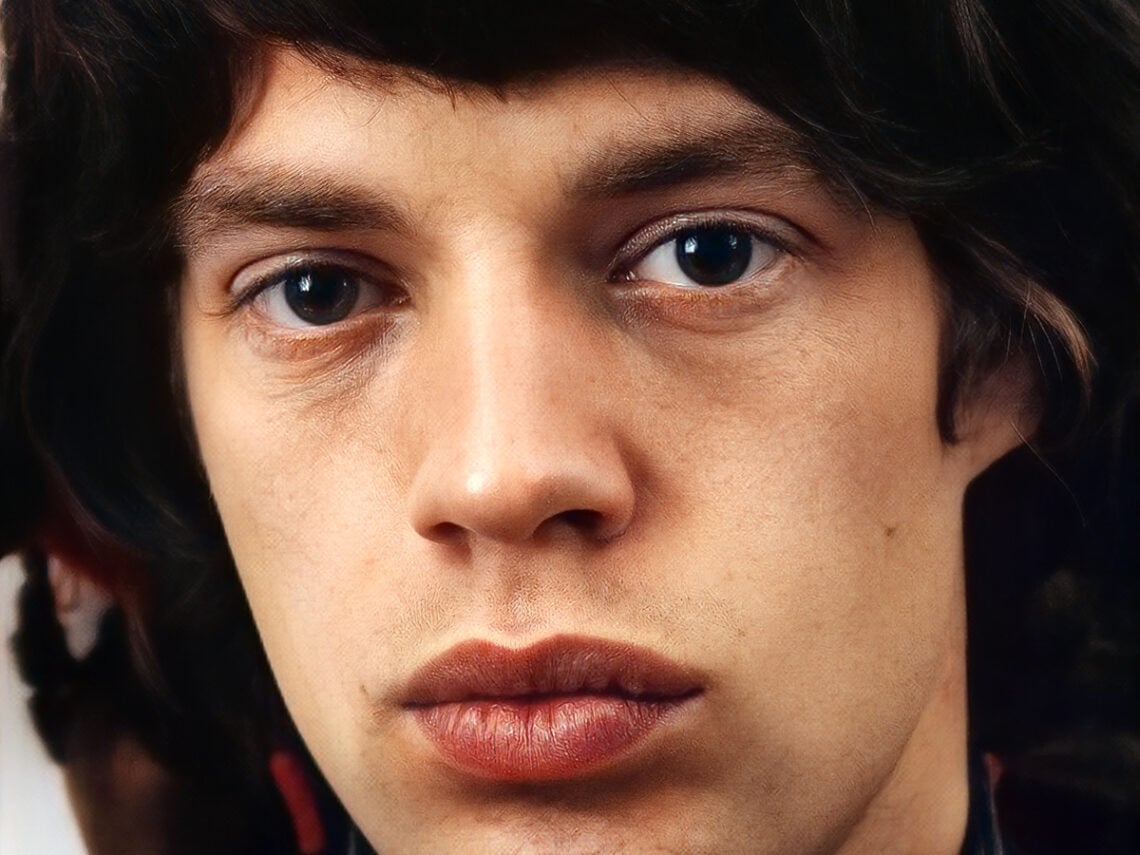
Why Mick Jagger was disdainful of “popular music”

Pop music in the 1950s and early 1960s was a far cry from what it is today. While modern pop stars are often expected to pour their hearts into every lyric, back then, the formula was simple: boy-meets-girl narratives ruled the charts. Sweet, sentimental love songs filled the airwaves, with pop stars expected to perform their charming tunes, smile for the cameras, and gracefully step aside. This all changed when two British groups began shaking up the status quo, redefining what pop music could be.
That’s not to say The Rolling Stones and The Beatles veered too far from the formula at first. The Beatles’ first three albums were packed full of made-to-order love songs, with the Fab Four only starting to move beyond the template with songs like ‘I’m a Loser’ and ‘Help!’.
As for The Rolling Stones, they really started to shift the dial with the 1965 single ‘(I Can’t Get No) Satisfaction‘. Sexual, suggestive, and censored by radio stations everywhere, it was the clearest sign yet that this generation of musicians was going to be doing things very differently from the one before. But more than anything, ‘Satisfaction’ encapsulated Mick Jagger’s deep-seated frustration with both the state of pop music and of society in general at the time.
The song is a form of rebellion, reflecting the feelings of discontent among young people in the 1960s. It became a rallying cry for a generation tired of conforming to society’s expectations. “I can’t get no satisfaction” is a complaint and an assertion of independence—a refusal to accept society’s empty promises and the vacuous nature of pop music.
“Popular music wasn’t a real thing at all,” Jagger said. “It was very, very romantic – romantic in so far that every song was about boy-girl relationships, which is romantic in one sense,” he added. “But every song was just like…romantic lyrics all about things that don’t really happen, or don’t really happen all the time. If you listen to all popular songs ten years ago, very few of them actually mean anything or have any relation to what people were doing.”
Jagger and The Rolling Stones set out to change that. Jagger wanted to write about the things that really mattered to people and could connect with them in a way that pop music never had before. His withering comments at the time probably vocalised what a lot of young people were really feeling. Finally, pop music wouldn’t be dictated by what old record executives thought young people should be listening to: it would be written by young people, for young people.
“Songs didn’t have any relation to what people actually spent their lives doing: getting up, washing, going to work, coming back and feeling very screwed up about certain things,” says Jagger. “They were just about being unhappy because your girl had left you or being very happy because you’ve just met somebody. That’s all they were about: the moon in June and the skies blue, I love you.”
Ultimately, Jagger and his generation’s disdain for popular music led to a sea change in what we perceive as pop music. They started singing about, as Jagger said, “What people actually spent their lives doing”. Within a couple of years, the pop music that Jagger and co grew up with suddenly looked hopelessly outdated. For that, we can only thank them.
