


Mick Jagger’s tragic regret about David Bowie: “I was very upset”

Mick Jagger and David Bowie were once inseparable. Due to their similar backgrounds and rises to meteoric levels of fame, the duo had plentiful in common for them to bond over, leading to a vital friendship. Despite being roughly the same age and calling London their home during their younger days, it wasn’t until Bowie gained success that they finally crossed paths.
At first, they were merely acquaintances who would frequent the same events due to their respective lofty positions in the music industry. However, in the 1980s, Bowie and Jagger grew close when they lived in New York City. During this time, they were the closest of associates who enjoyed the pleasures that the Big Apple had to offer and burnt the candle at both ends.
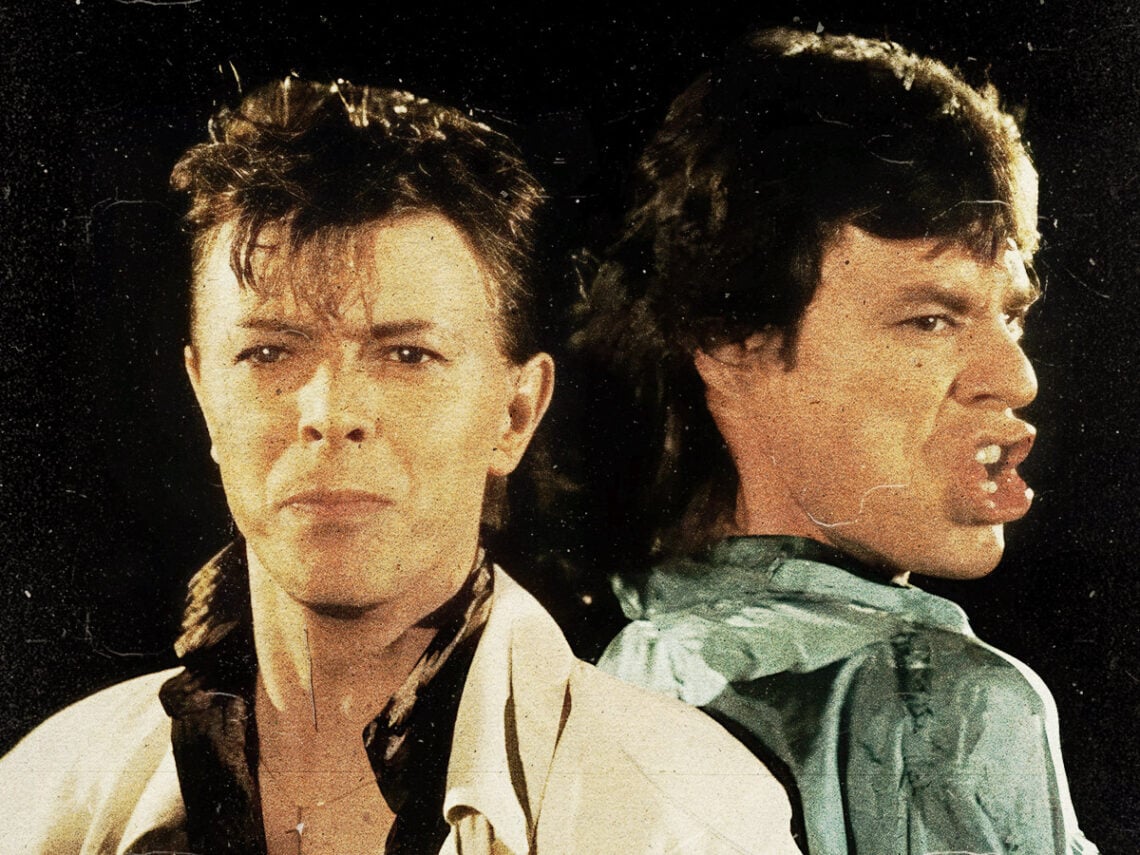
Significantly, their friendship led to the creation of the hit collaboration ‘Dancing In The Street‘, which brought the seismic talents of Jagger and Bowie together to create pop perfection. The track, which topped the chart in the United Kingdom, remains Jagger’s most successful release outside of The Rolling Stones.
After Jagger departed New York City, their encounters became less regular, but they continued to be in touch. However, as everybody knows from their own lives, it can be difficult to maintain those relationships forever without face-to-face interaction. There wasn’t a giant falling out that caused them to spend less time with one another. Instead, life simply had different plans for the pair. It wasn’t possible to party like it was the ’80s forever, and they went down their chosen routes.
As a result, during the latter years of Bowie’s life, Jagger wasn’t part of it, which upset him greatly upon discovering that ‘The Starman’ had passed away in 2016. After Bowie retired from the touring circuit in 2004, he also largely disappeared from the public eye, focusing on his family above all else, eliminating the chances of catching up with Jagger at an industry event.
For many years, nobody heard anything from Bowie before he released The Next Day in 2013. Furthermore, two days before Bowie died in 2016, he released his final album, Blackstar, which dealt with his impending demise. Jagger was aware his old friend was in ill health but didn’t realise the severity of his health problems until it was too late.
After his death, Jagger said: “I know David stopped touring around 2004 after having some health problems. After that, he kind of vanished, both from my life and the stage, so to speak, until he came back with an album that was a very interesting piece. It’s really sad when somebody leaves and you haven’t spoken to them for a long while. You wish you’d done this; you wish you’d done that. But that’s what happens. Strange things happen in life.”
In a later conversation with The Mirror, Jagger recalled his immediate thought upon listening to Blackstar was to contact Bowie. However, rather than act upon his instincts instantly, Jagger regrettably waited, and as a result, he never had one last conversation with Bowie. Jagger recalled: “I thought I must get in touch with him as I hadn’t seen him in a long time. But he died almost immediately after that. I was very upset. I was listening to his album before he died and ahead of it coming out.”
Although Bowie suffered immensely towards the end, he used Blackstar to express his pain and bowed out perfectly, which Jagger finds utterly commendable. He added, “What he was going through must have been really wrenching. But working and doing such good work until the very end is really laudable.”
As Jagger says, it speaks volumes about the burning creativity that lived inside Bowie even during his final days. While he wasn’t fit enough to grace the stage, the studio was his chosen coping mechanism for dealing with life’s perplexities until he drew his final breath. Nevertheless, Blackstar is now tinged with regret for Jagger and is an eternal reminder of a phone call he should have made.
