


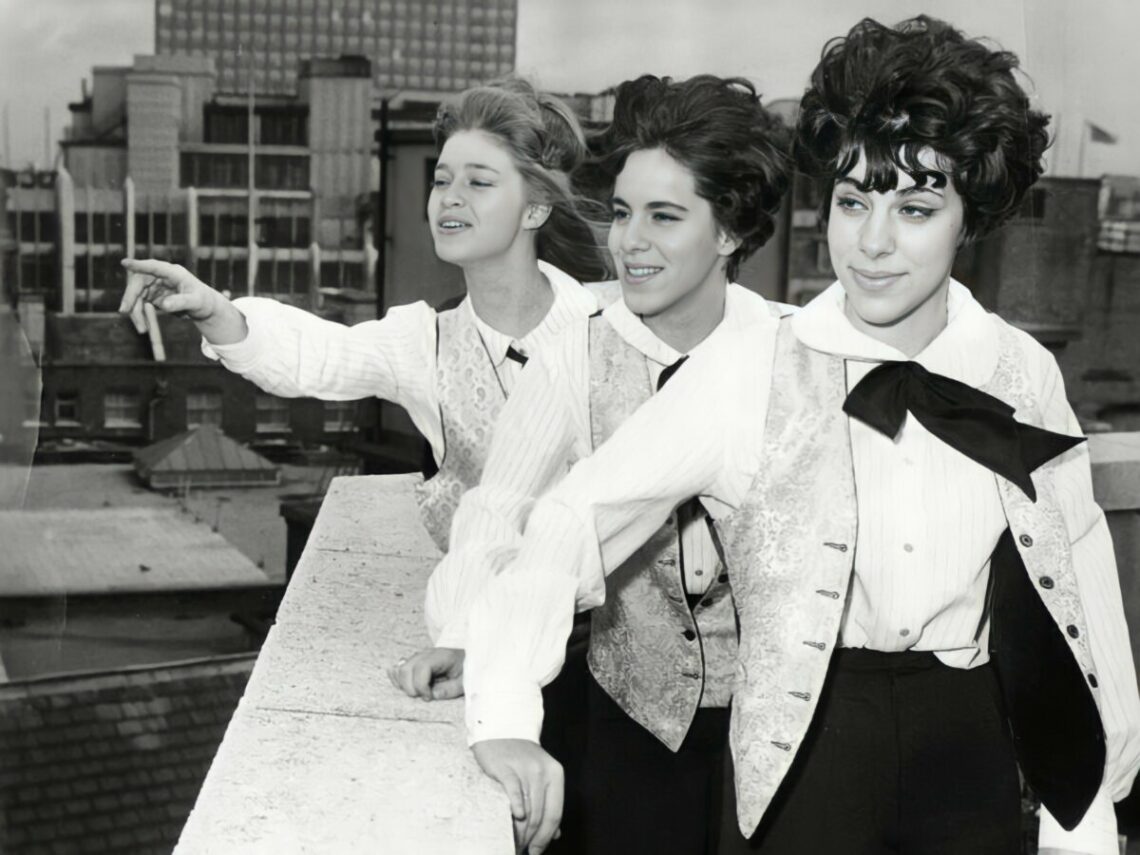
Exploring the melodrama of The Shangri-Las

During the 1950s and 1960s, a strange phenomenon occurred in the American music world: teen tragedy songs. Cinematic strings, melodramatic spoken word sections, and sound effects were typical features of these hits. The Shangri-Las were one of the leading groups to produce such songs, a quartet made up of twins Marge and Mary Ann Ganser, and sisters Betty and Mary Weiss.
The group had a tremendous impact on popular music thanks to their passionate hits, which seemed to blur the line between seriously emotional and gloriously camp simultaneously. It’s hard to forget a Shangri-Las song, full of teenage angst and storylines plucked straight from a low-budget movie. One of their hit singles, ‘Remember (Walkin’ in the Sand)’ – which has since been remixed and destroyed as an irritating viral TikTok sound – features the band lamenting the end of a relationship.
The more extended version of the song opens with the dramatic spoken words, “Remember I love you, I know you love me too,” over low piano notes, instantly pulling us into a theatrical, over-the-top tale of teenage love gone sour. With lyrics such as “It’s been two years or so since I saw my baby go/ And then this letter came for me/ It said that we were through/ He found somebody new,” The Shangri-Las’ narratives were easy to understand, and perhaps connect with, especially if you were a teenage girl, like them.
One of their most well-known songs was ‘Leader of the Pack’, which is an outrageous tale of teenage death via motorcycle, killing off the speaker’s bad boy lover whom she met in “the candy store”. Camp cinematic provocateur John Waters once highly praised the group in his book Mr Know It All, writing, “Their lead singer, Mary Weiss, was so tongue in cheek hard as nails that I always wondered if she hadn’t purposefully unhooked the brakes of ‘Jimmy’s’ motorcycle on that ‘rainy night’. Maybe her cries of ‘Look out! Look out!’ were fake. Maybe she had murdered the leader of the pack!”
Waters also called the band “plain bad-girl perfect” and “just as tough, if not tougher, than the Ronnettes”. Certainly, the band had an image that was strong and not to be messed with, which contrasted perfectly with their melodramatic lyrics that almost every teenager will have related to at some point, both in the ‘60s and the present day. In a landscape where women and young girls were seen as overly emotional (even more so than today), The Shangri-Las weren’t shy to be just that, without fear of being stereotyped and ridiculed. They seemed to be laughing in the faces of the people (especially men) who would find such lyrical theatricals silly, advocating for the range of emotions – no matter how overblown or, conversely, valid – teenagers feel.
Amy Winehouse cited the group as a huge inspiration, once stating, “I love the drama, I love the atmosphere, I love the sound effects,” and calling ‘I Can Never Go Home Anymore’ “the most depressing song ever”. The spoken word nature of the track, which sees the group warn the listener of ditching your mother’s love for a boy, is made even more heartbreaking by the youthfulness of Mary’s vocal delivery and pleas.
The song has a certain camp sensibility due to the sheer drama of Mary singing lines like “Now my mom is a good mom and she loves me with all her heart/ But she said I was too young to be in love and the boy and I would have to part.” Yet, at the same time, you understand her completely, and the tragedy of navigating young love couldn’t be executed more honestly and realistically.
The group enjoyed a short stint of success, but the uniqueness of their songs has endured for decades, inspiring everyone from Bat For Lashes (‘What’s A Girl to Do’ is a must-listen for any Shangri-Las fan) to The Ramones. The band’s fearlessness to express emotion and lean into the very real feelings we feel when we’re coming of age was groundbreaking, and while they didn’t pen these lyrics themselves, their incredible, impassioned vocal deliveries made this fact irrelevant.
The group did the whole teen angst thing way before many punk or grunge icons did, and this was really quite revolutionary. Showing that teenagers, especially girls, are full of complexity, The Shangria-Las’ penchant for melodrama should be celebrated.
