


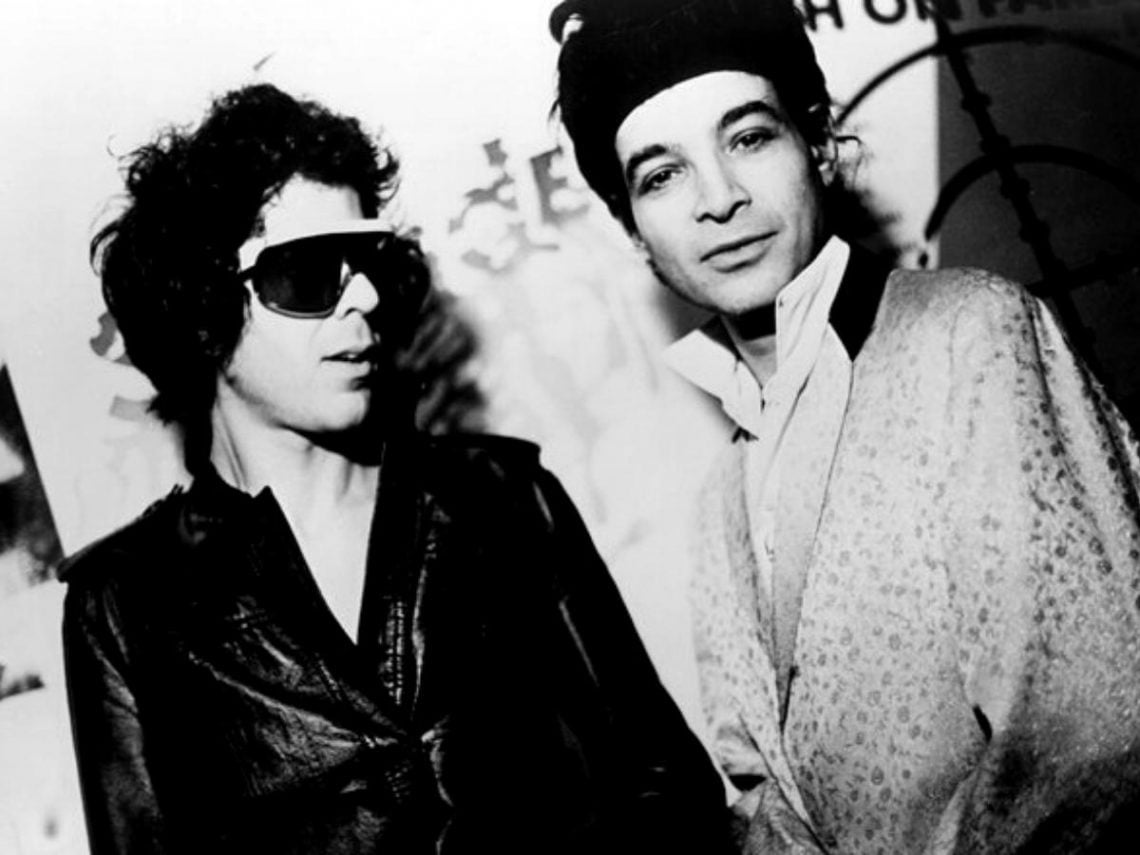
What does Martin Rev think of Suicide’s debut album now?

Seminal electro-punk duo Suicide formed in 1970 as the brainchild of Martin Rev, an experimental multi-instrumentalist from an avant-garde jazz background, and Alan Vega, an aspiring vocalist, guitarist and trumpeter. Initially, the pair were joined by Paul Liebegott as the primary guitarist during formative gigs in Manhattan, but the trio became a duo in 1971 upon his early departure.
The pair continued to circle New York’s underground rock scene as one of the earliest of the now-ubiquitous electro duo setups thanks to primitive drum machines, Rev’s battered Farfisa organ, and a bundle of effects units. The fascinating sound of their early material won Suicide opening slots for the likes of the New York Dolls and The Fast as they set their sights on the recording studio.
‘Rocket U.S.A.’ was released as Suicide’s first official single in 1976 and was followed by the landmark eponymous album in December 1977. As their name suggests, Suicide’s early sound was one of shock and horror. In his lyrical concoctions, Vega was keen to hold a candle to the pitfalls of American culture. Most horrific of all was the album’s ten-minute epic, ‘Frankie Teardrop’, the story of a man pushed to insanity who murders his family before committing Suicide.
Upon its release, the album was ignored commercially and critically, except for some ostensibly forward-thinking critics in the UK. However, within a decade, the record had garnered the attention it deserved as the holy grail of electro-punk music. Over the next 25 years, Suicide released a further four studio albums of varying degrees of accessibility and experimentalism, but they never quite managed to top the influential power of the 1977 debut.
In 2019, Rev was asked to reflect on the retrospectively revered Suicide album in an interview with Dangerous Minds. “Thankfully, when I listen to it, which is certainly sporadically, I don’t need to hear what I’ve done regularly, and that’s the same for my solo records, but when I hear it, it holds up,” Rev explained. “It’s definitely not like: ‘Oh shit, that’s terrible, that’s terrible, terrible, terrible, terrible, terrible, terrible. Change this, this, this, this! How could I have done that?’ No.”
“That’s a fortunate thing for me,” he continued. “When you create something, and it still works even though you can hear certain things, you might do a little differently now if you were to go in and re-edit it or this and that. Very few on the Suicide record. So, it’s okay. After that, it’s in the world. It’s something I passed through—I did it.”
“Suicide was part of my development then,” he concluded. “It’s considered major to some extent, and that’s fine, but I am more where I’m going today. I was doing music before Suicide, and I’m doing it after. But it’s good. The record definitely holds up, which to me is the essential thing.”
Listen to ‘Ghost Rider’ from 1977’s Suicide below.
