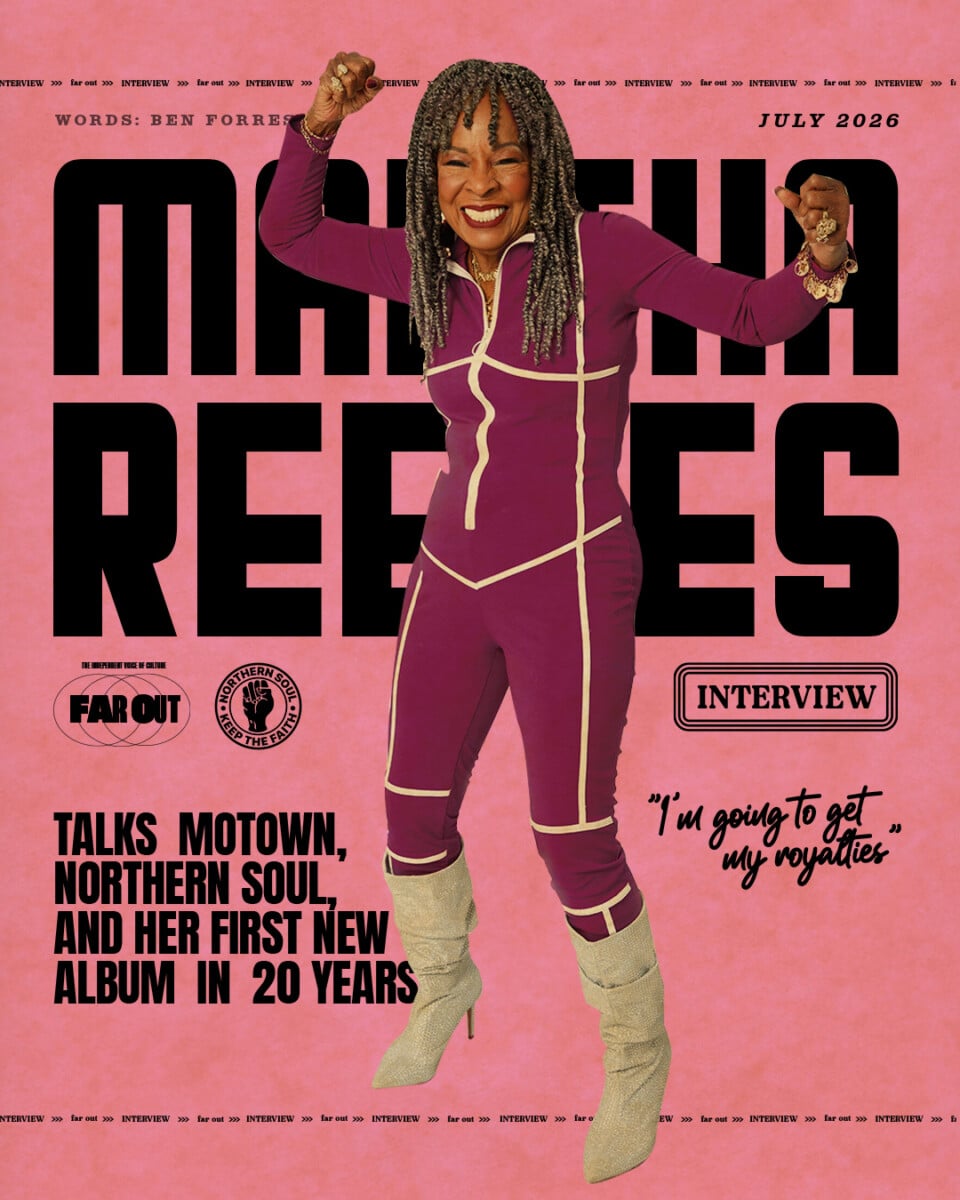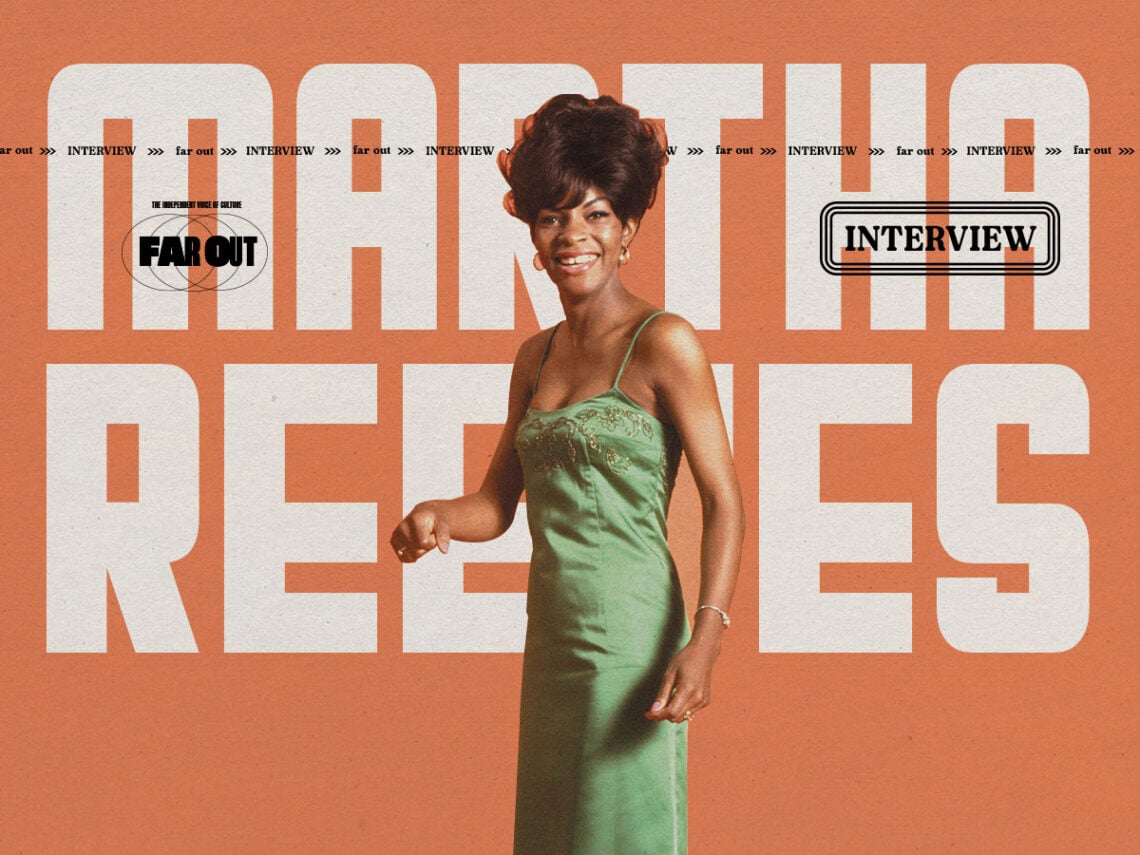
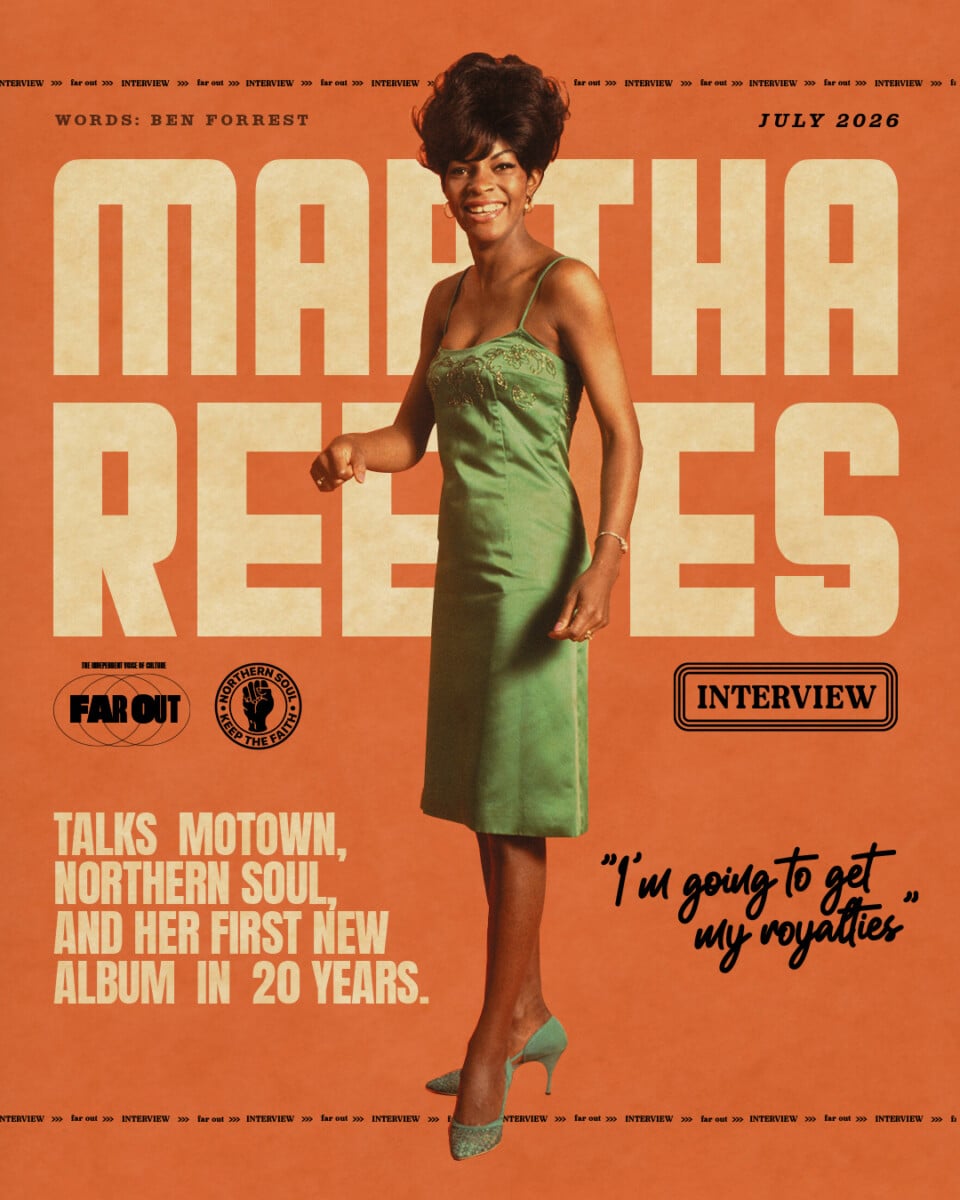
Martha Reeves talks Motown, northern soul, and her first new album in 20 years: “I’m going to get my royalties”

Pop stars come and go, but it takes a special kind of artist to boast the degree of creative immortality faced by somebody like Martha Reeves.
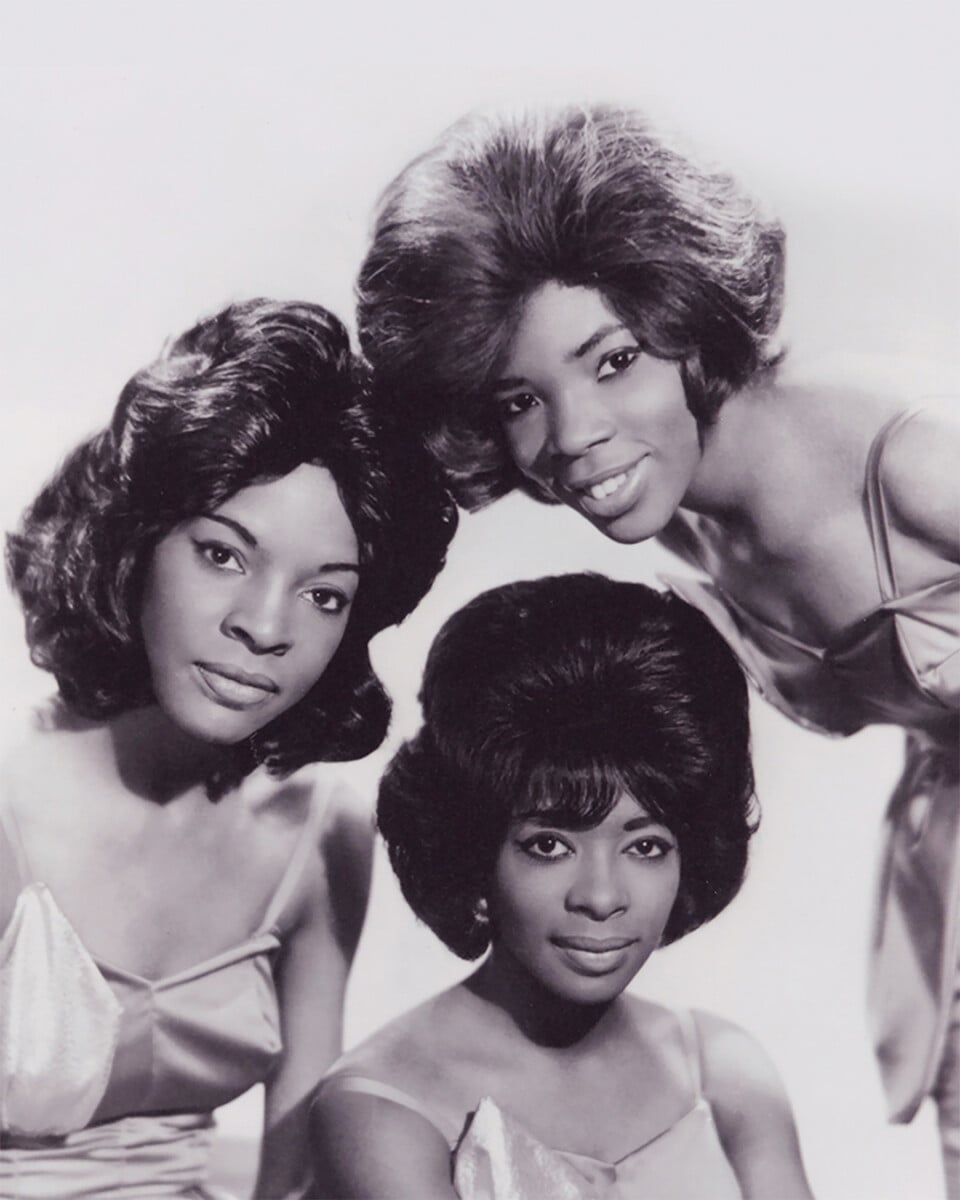
Back in the 1960s, when Berry Gordy’s Motown empire was at the peak of its cultural cache, Reeves lent her name, along with that unmistakable voice, to a litany of iconic, chart-topping hits, with ‘Heatwave’, ‘Nowhere to Run’, and ‘Dancing in the Street’ barely scratching the surface of her output. While those tracks might have fallen out of the singles charts many decades ago, they have never truly gone away in the 60-plus years since they first burst onto the airwaves. Nor, in fact, has Reeves herself.
In fact, Reeves has been busier in the years following her departure from Motown in 1972 than during her time at the heart of the soul scene that the label fostered. Countless tours, various new recordings and compilation records, along with contracts with multiple major record labels, have punctuated her career, not to mention her four-year stint as a councilwoman for her adopted home of Detroit, Michigan, during the mid-2000s. It was only a matter of time, therefore, before she returned to our airwaves with an arsenal of new material.
Searching is the form that her newly announced album has taken; her first new LP in over 20 years, and a miraculous blending of her Motown roots with the R&B, soul, gospel, and jazz that has soundtracked her expansive existence.
Via a rather precarious internet connection from Motown’s homeland of Detroit, Martha Reeves appeared alongside the album’s co-producer Chris Roe to dig into that illustrious career with Far Out, as well as to uncover some secrets about her upcoming glorious return to the airwaves.
Given the infamously quick, assembly-line production style that Motown adopted back in the 1960s, and that Reeves experienced during her formative years as an artist, it felt fitting that the performer do away with any formalities during this interview. Immediately, too, she was quick to shut down any notion that this new album had appeared by surprise.
“I’ve been in the studio all along,” she declared, “My last product was self-produced, and Home to You was a very good compilation of my original songs,” name-dropping her most recent project, released back in 2004, “It gave me a chance to write and produce and express myself as a writer, producer, singer, artist, whatever.”
That freedom of expression and complete creative control was something that Reeves lacked during her Motown heyday, when the label’s quality control department, along with Berry Gordy himself, tended to reign supreme. On this new project, however, she handed over the production reins to the aforementioned Chris Roe and jazz royalty Delfeayo Marsalis, who don’t seem to have quite the same iron fist-ruling style that Hitsville adopted.
More importantly, their collective efforts, spurred on by the vast plethora of collaborators all blending together in the heart of New Orleans, have made Searching a genre-defying explosion of sound, which Reeves has apparently been dubbed ‘Motown versus the Big Easy’.
“These arrangements that Delfeayo Marsalis, God bless his soul, has put together, that emulate the way that Motown hoped to have their music turn out,” Reeves shared, expanding upon her lifelong adoration for the jazz world.
She added, “Jazz influenced the best of musicians, rhythmic and melodic patterns that only a genius could come up with, and I’m enjoying every minute of being in between this ‘Motown versus Big Easy’. It’s a competition musically, and I’m having the best time in my life musically.”
Although the album has been recorded entirely in New Orleans, the personnel that back Reeves’ still-astounding vocals are a crack team composed of players from around the world, including a Cuban conga player who Roe assures me is “100% the guy” when it comes to conga players.
“Having guest performers over the course of a three-year process can be really challenging, and I did reach out to some people, but they were on tour, they weren’t available, and you know, that’s just what happens,” Roe explained, “As a producer, you kind of put together your wish list of what you’d like, and you know, sometimes you don’t always get that.”
According to Reeves, though, the team behind Searching is the greatest she could have hoped for, citing the experience as “an answered prayer” and physically beaming with excitement upon the mention of the album’s August 14th release date. “I’ve been told to keep it a secret, don’t talk much, but I’m having a thrill just knowing that this music is the best I’ve done,” she exclaimed.
A bold claim for Reeves to make, given just how much music she has created over the years, but her opinion that Searching is “the best” is supported by the degree of autonomy and freedom she has experienced on this new album, in particular contrast to some of her earlier work.
“It’s like being in a symphony orchestra,” she explained, with reference to the extensive list of collaborators featured on the upcoming album, “And everybody was happy. There was not one disgruntled person. Love overflowed in that studio, and it was an amazing experience for me.”
She explained, “I’ve been on four major, four major labels in my life, but this is an experience I’ve never thought I’d have. I had input. I have songs that I have written on this album, and I’m going to get my royalties.”
That last remark is rather telling of how Reeves’ attitude towards the music industry has been moulded over the years. During the late 1980s, the performer, as well as Rosalind Ashford and Annette Beard of The Vandellas, sued Motown for unpaid royalties, and she’s making quite sure the same thing won’t happen again.
Inevitably, when being interviewed by somebody who has devoted a not-insignificant part of their life obsessing over Motown, our conversation soon turned to Reeves’ numerous hits with The Vandellas, and whether she ever stops to reminisce about those heady days back in the 1960s. Her answer left no room for interpretation: “Why would I do that when it’s so wonderful now, here, in the present? It’s fabulous”.
“Every mode of music is in this album, and all of the lessons that I’ve had, I’m showing my teachers that I learned well, and I execute them with all the grace and love that I have for my future divas”.
Martha Reeves
That attitude, perhaps, isn’t all that surprising, particularly given the exhaustive schedules and pressure thrust upon Motown’s more successful groups, of which Martha and The Vandellas certainly were. “Motown was a factory,” Roe explained, “They never stopped recording. You’d come off the road, you’d go straight to the studio, you’d record all night long, then get back on a plane the next day, go off. But you didn’t know what was happening with those songs.”
Comparatively, Reeves and her two producers, along with the entirety of the orchestra that the trio assembled, have been able to craft Searching and its masterful lead single, ‘To Know You Is To Love You’, over a period of years, layering it with a rich plethora of compelling influences. Among those influences, Motown is unavoidable, with Reeves noting that ‘To Know You Is To Love’ was once recorded by Stevie Wonder alongside his wife, Syreeta Wright, and hoping that “our rendition of it is going to thrill Stevie to no end”.
Still, the album certainly isn’t a mere rehashing of the performer’s Motown years. As Reeves herself put it, “Every mode of music is in this album, and all of the lessons that I’ve had, I’m showing my teachers that I learned well, and I execute them with all the grace and love that I have for my future divas”.
Many of those “future divas” are people born post-millenium who are now discovering Reeves’ beloved output for the very first time, sparking something of a Gen-Z resurgence in Motown, which the performer herself could never have predicted. “You can’t really predict joy and happiness, you just can wish for it, and hope, and pray for it, and dreams have come true,” she said.
That youthful resurgence in her work bears a striking resemblance to the realm of northern soul; legions of soul-obsessed youngsters in the industrial towns of 1970s England, worshipping figures like Reeves and her various Motown comrades in Edwin Starr, Chris Clark, Brenda Holloway, and various others. Again, with Reeves being interviewed by a northern soul DJ who has spent arguably too long searching for scratchy copies of her more obscure Motown-era releases, the potential for northern soul to come up in the conversation was not slim.
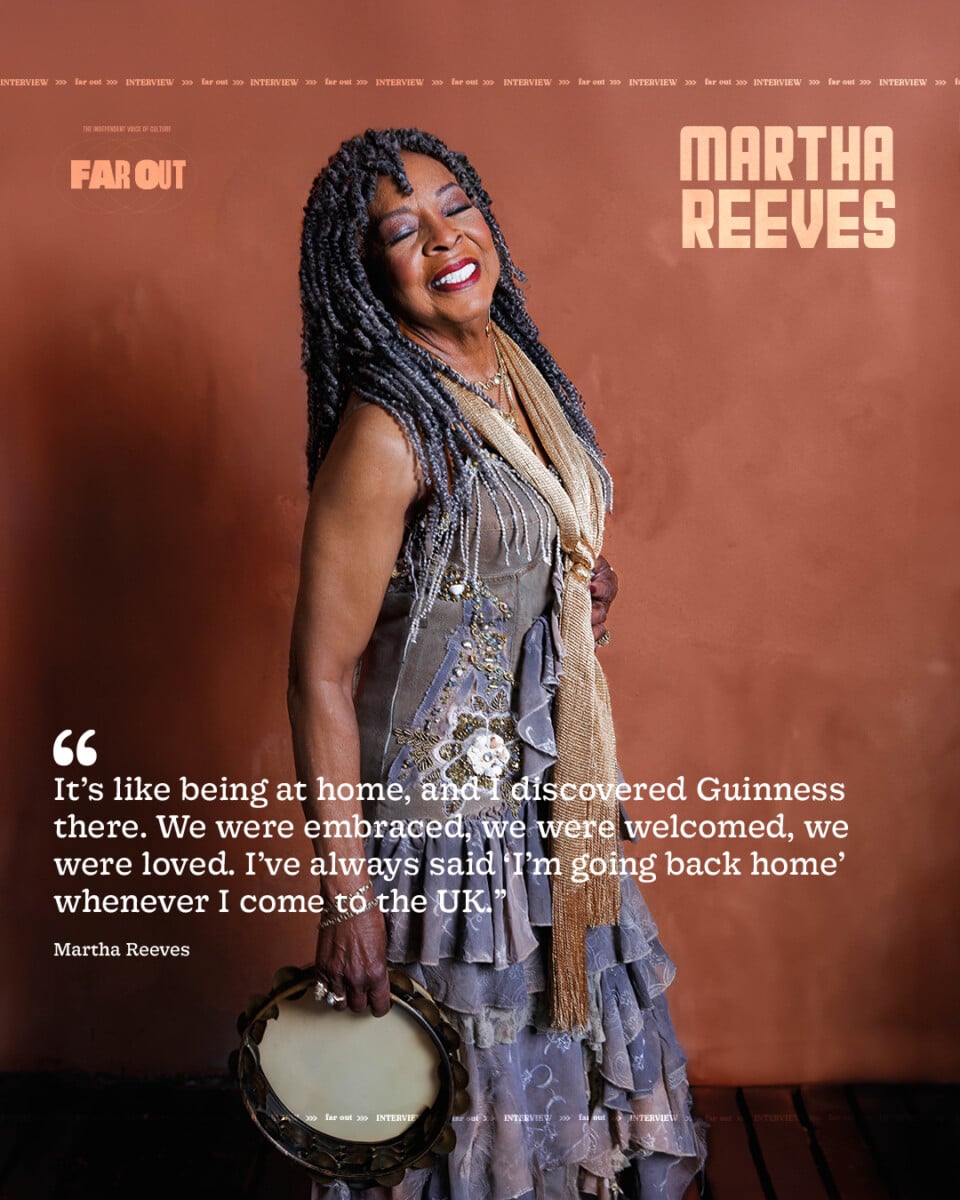
Thankfully, though, Martha Reeves still holds the amphetamine-fuelled sweating youths of the northern scene incredibly dear. Harking back to her various appearances in the north of England, including a legendary performance at the equally legendary Wigan Casino in 1978, she said, “It’s like being at home, and I discovered Guinness there. We were embraced, we were welcomed, we were loved. I’ve always said ‘I’m going back home’ whenever I come to the UK.”
From Detroit to Wigan Casino to New Orleans, Reeves seems to have packed the entirety of her extensive and illustrious career into the aptly-titled Searching, with the added Midas touch of Marsalis and Roe to tie it all together. Not only is the LP a retrospective glance at one of the most beloved soul singers in American history back then, but it also proves she has, for want of a better phrase, ‘still got it’.
Over 60 years on from Reeves’ first gig as a vocalist in The Fascinations, the performer is still devoting their existence to creating, using her voice, and collaborating with a wealth of different artists and instrumentalists, for an audience that spans generations and nationalities.
Music is a unifying force, and few figures in the modern age capture that fact better than Martha Reeves, who signs off our conversation with an effortlessly cool, “Have a great life, baby”. I shan’t be forgetting that in a hurry.