


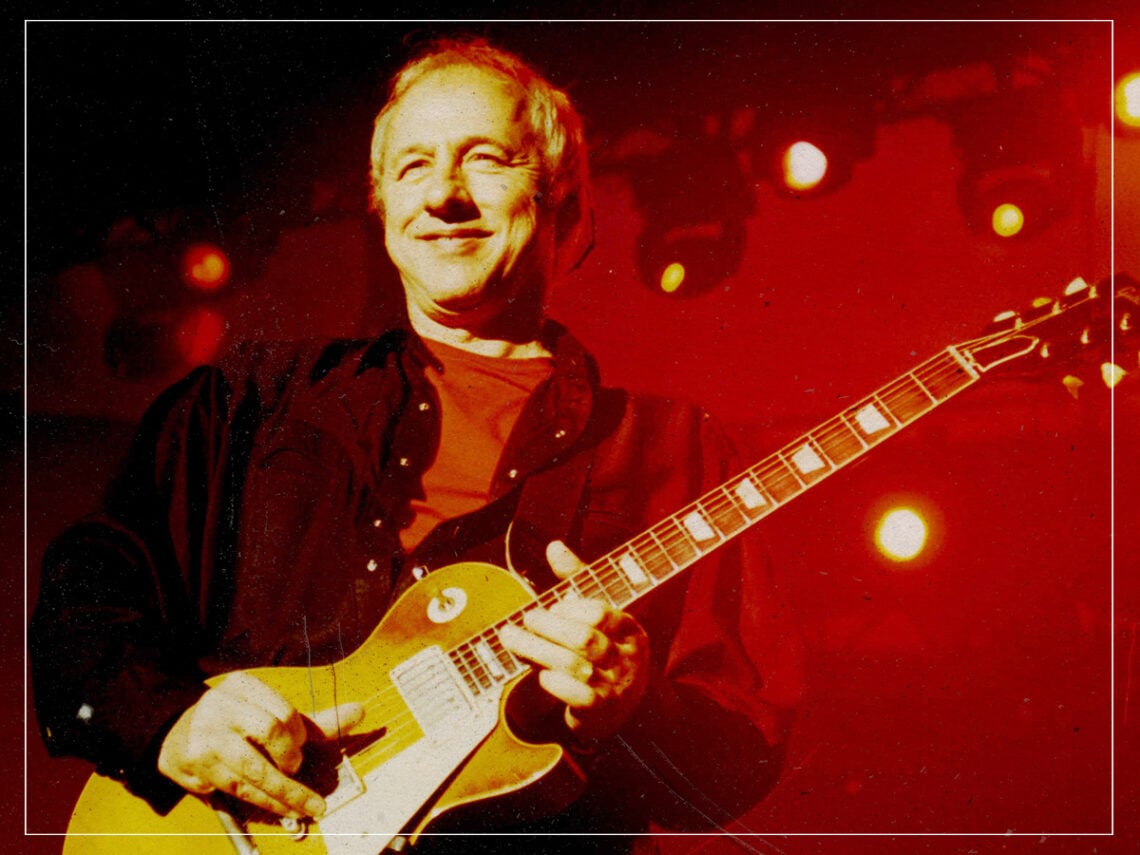
Mark Knopfler’s favourite Dire Straits album: “The best”

There are two distinct breeds of musicians. First up, the egotist who thinks the sun shines out of their own arse, and believes they walk on water. Or, like Mark Knopfler, they are self-deprecating in a way that massively understates their talent and achievements.
While being humble is a positive attribute to have, Knopfler perhaps has too much of it, which diminishes how remarkable the rise of Dire Straits was, a story that is deserving of a documentary. It all happened at such a frantic pace that Knopfler barely had the time to take it all in.
In one instant, they were playing pubs across London, before having a string of hit records to their names, progressing to the biggest stages while picking up every accolade imaginable along the way. Knopfler was even recruited to be the guitarist for his hero, Bob Dylan.
Many would have allowed the change in circumstances in a matter of years to turn them into an unsufferable narcissist, but Knopfler somehow managed to stay grounded. He was 28 before receiving a taste of success, and although this is a young age in the grand scheme of things, Knopfler was older and wiser than many of his peers, which prevented him from falling into the industry pitfalls. He had already garnered enough life experience to remain calm and deal with his newfound fame expertly.
However, in his opinion, one drawback of their rapid rise to fame during their early days was the constant demand to keep making albums. While Dire Straits rose to this task magnificently, Knopfler is a perfectionist who believes they could have benefited from spending more time in the studio.
During an interview with Guitar in 2019, he confessed: “Songs always change as you gig them, especially at first. When we did the first Dire Straits album, we’d rehearsed hard and gigged hard, so we just had to go into the studio, set the equipment up and play.”
This method gave the album a rawness, translating the energy from their raucous live shows onto their debut record. Knopfler added, “Brothers In Arms and On Every Street would sound very different if we had gigged the songs first. Actually, I don’t think any of the Dire Straits albums are all that good.”
The guitarist then revealed his favourite album by Dire Straits, adding: “On Every Street is the best in a lot of ways, ’cause a lot of the stuff was recorded with everyone playing together. We also had the time to get to know the songs better and do a bit of work on sounds and arrangements. But I certainly don’t enjoy listening to stuff that I’ve done in the past. It makes me very uncomfortable.”
On Every Street, while still not an album that you’ll find Knopfler listening to while he makes his morning coffee, is a record that he has every right to be proud of. Unlike in their early days, when they were making new music like there was no tomorrow, they had a six-year gap between records, which Knopfler believes gave them the reset that was needed to reach their peak.
It was also their final record, which seemed the perfect point for them to end their career. Although On Every Street it failed to have the same cultural impact as its predecessor, Brothers In Arms, Knopfler is not the type of person to fret about that. He did his job in the studio, which is all that matters to him. For Knopfler, commercial success was never his intention, hence why he left it for six years to produce a follow-up to Brothers In Arms and embark upon a solo career away from the Dire Straits umbrella.
Sadly, as much as Knopfler enjoyed every moment of making On Every Street, thanks to being able to satisfy his perfectionist tendencies, the subsequent tour was anything but perfect. The nightmare run acted as the final nail in the band’s coffin and led to their permanent demise, with Knopfler never going back. However, at least musically, thanks to On Every Street, his head still firmly remained high.
