


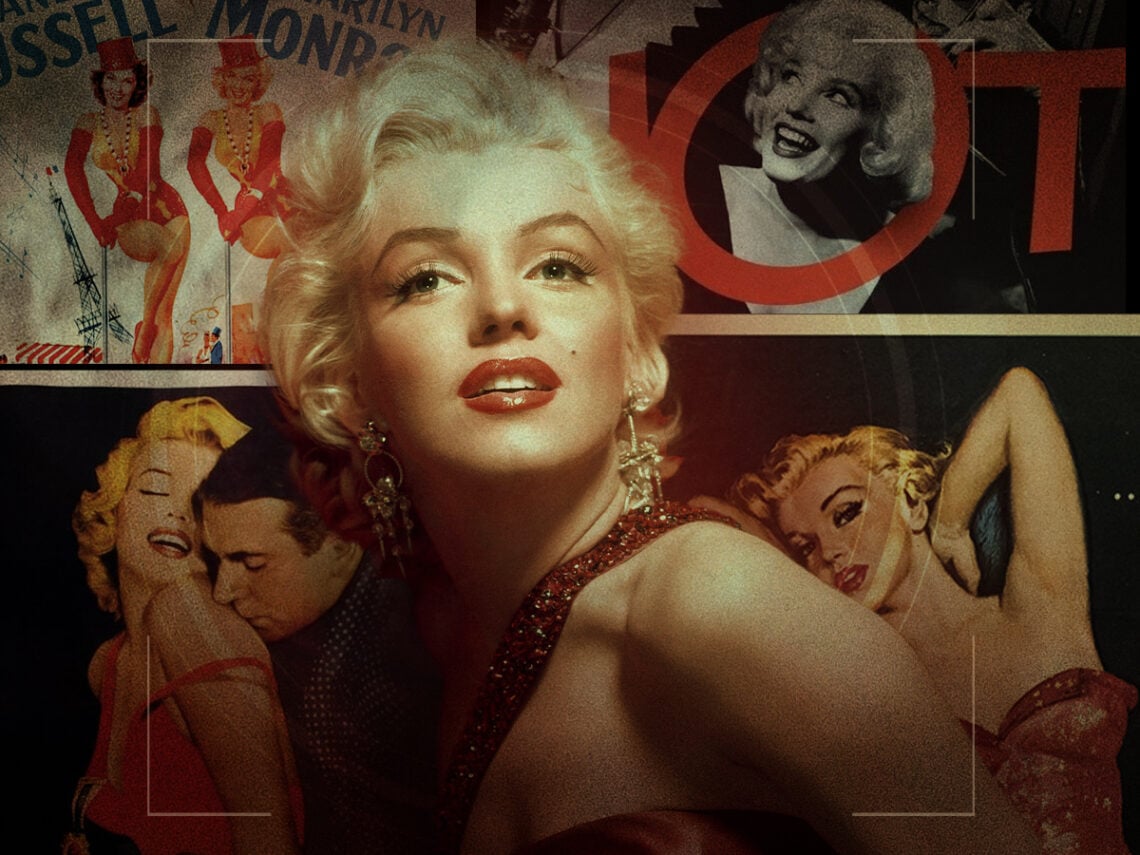
Five performances that prove Marilyn Monroe was so much more than a sex symbol

The great injustice of Marilyn Monroe’s career is that, as she became more and more famous, her abilities as an actor became more and more dismissed.
Most of this was down to the era. She rose to stardom at a time when Hollywood was no longer interested in exploring the triumphs and follies of complicated women. In the post-war period of the 1950s, women were supposed to either be perennially content housewives or non-threatening sexual fantasies. Monroe set the stereotype of the latter figure, and was rarely given scripts that allowed her to portray anything approaching reality.
The Seven Year Itch, for example, produced one of the most recognisable images of her career and of the entire 20th century when she stood on a subway grate in a white dress. It was a landmark cultural moment, but her character is never named, and the film is very literally about the male protagonist’s fantasies about his upstairs neighbour. Monroe is captivating in the movie, as she is in all her films, but she isn’t given much to work with.
Throughout her career, Monroe fought to play roles that required more than her star persona, with mixed results. Her perfectionism, substance abuse, and completely rational anxiety over how she would be treated by directors and co-stars gave her the reputation of being challenging to work with. In retrospect, it’s remarkable just how compelling her performances are, given the turmoil that took place behind the scenes. In the latter stages of her career, many of the roles she played were written with her off-screen persona in mind, to the point where she was usually playing Marilyn Monroe at work, in public, and even at home. Still, only Billy Wilder found a way to skewer her troubled “dumb blonde” façade with anything approaching sensitivity and wit.
Because Monroe’s acting potential was so rapidly eclipsed and marginalised by her persona, many of her best performances occurred early in her career when she had more flexibility. Her greatest performance of all, in fact, was one of her earliest. When she died in 1962 at just 36 years old, she left behind nearly two decades of frustratingly two-dimensional films that were not worthy of her talents. She is beguiling in all of them, but only a handful offered a glimpse at what she was truly capable of.
Marilyn Monroe’s five greatest performances:
‘The Prince and the Showgirl’ (1957)
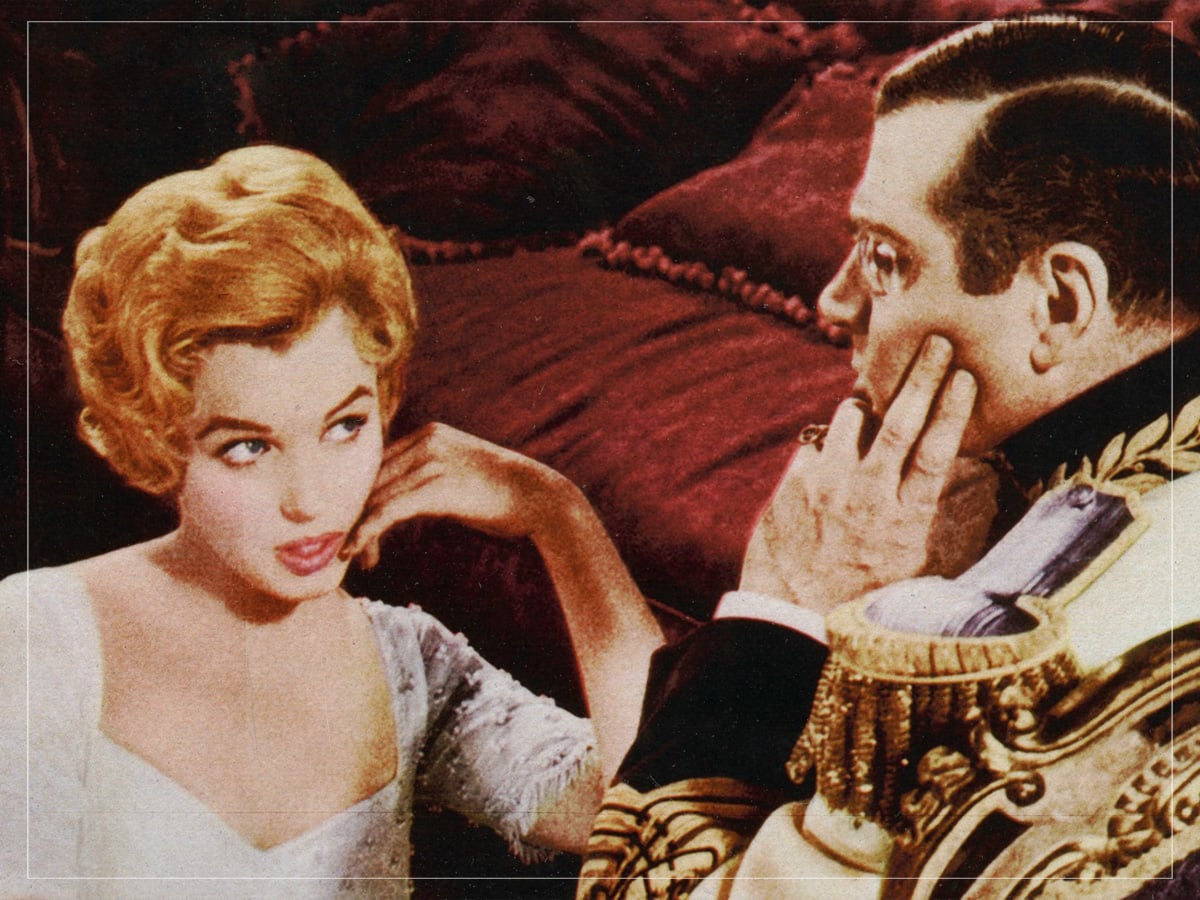
The behind-the-scenes drama of The Prince and the Showgirl is now legendary, with director and co-star Laurence Olivier nearly having a nervous breakdown over Monroe’s constant lateness, anxiety, acting coach interference, and general incompatibility with his acting style. And yet, she is by far the standout performer in the film. Playing an American showgirl named Elsie Marina who becomes an object of fixation for a European prince regent (Olivier), Monroe was in familiar territory, but she imbues Elsie with a fresh-faced humour and wisdom that is lacking in many of her more glamorous roles.
This was the only film made under Monroe’s own production company, and she no doubt hired Olivier as director and co-star in the hopes that his stellar reputation as a dramatic actor would burnish her own. The irony is that he is laughably wooden in the film. It is one of his worst performances, and very nearly ruins the film.
In contrast, Monroe is a breath of fresh air. Her character might be thinly written, but she herself is completely disarming. Many of the other actors in the film came from a theatre background, and it shows. Next to Monroe, they look like they are doing panto. Dame Sybil Thorndike, who played the formidable Dowager Queen in the movie, remarked, “She’s the only one of us who really knows how to act in front of a camera.”
‘Some Like it Hot’ (1959)
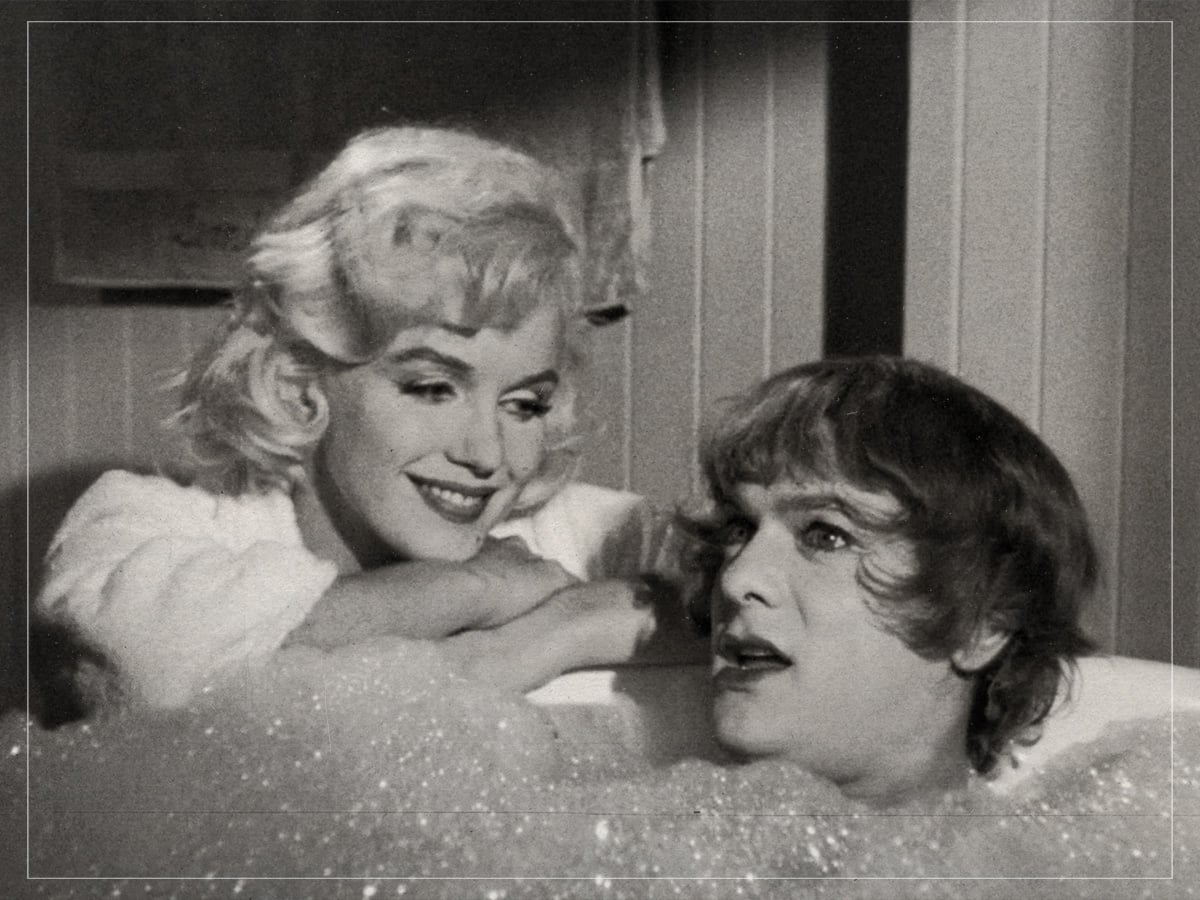
If this were a list of Monroe’s best movies, Some Like it Hot would take the top spot, but in terms of the actor’s performances, it only barely cracks the top five.
Billy Wilder was one of Hollywood’s greatest screenwriters and critics. His masterpiece, Sunset Boulevard, took direct aim at the industry itself, but Some Like it Hot took a more personal approach to the legend of Monroe herself. Her character, Sugar Kane, is the singer in an all-female band who befriends Tony Curtis and Jack Lemmon’s characters, who join the band dressed in drag to hide from Chicago mobsters. Sugar has a drinking problem and a man problem (specifically of the saxophone-playing variety). She self-identifies as not being very bright, thereby demonstrating that she also has good-natured self-awareness.
In some movies, Wilder’s dialogue is sometimes too brilliant for its own good. If it isn’t tossed off casually enough, it can come across as effortful. Monroe, whose acting was often effortful (her acting coach, Natasha Lytess, famously instructed her to emphasise every syllable), turned out to have an ear for Wilder’s cadences.
Her performance is a work of comedic brilliance, both casual and soulful. It was the best script she ever worked with, and although Wilder didn’t exactly offer her a break from her usual showgirl persona, he at least gave her plenty of comedic material to demonstrate her dexterity and outshine the established comedic chops of her co-stars.
‘Bus Stop’ (1956)
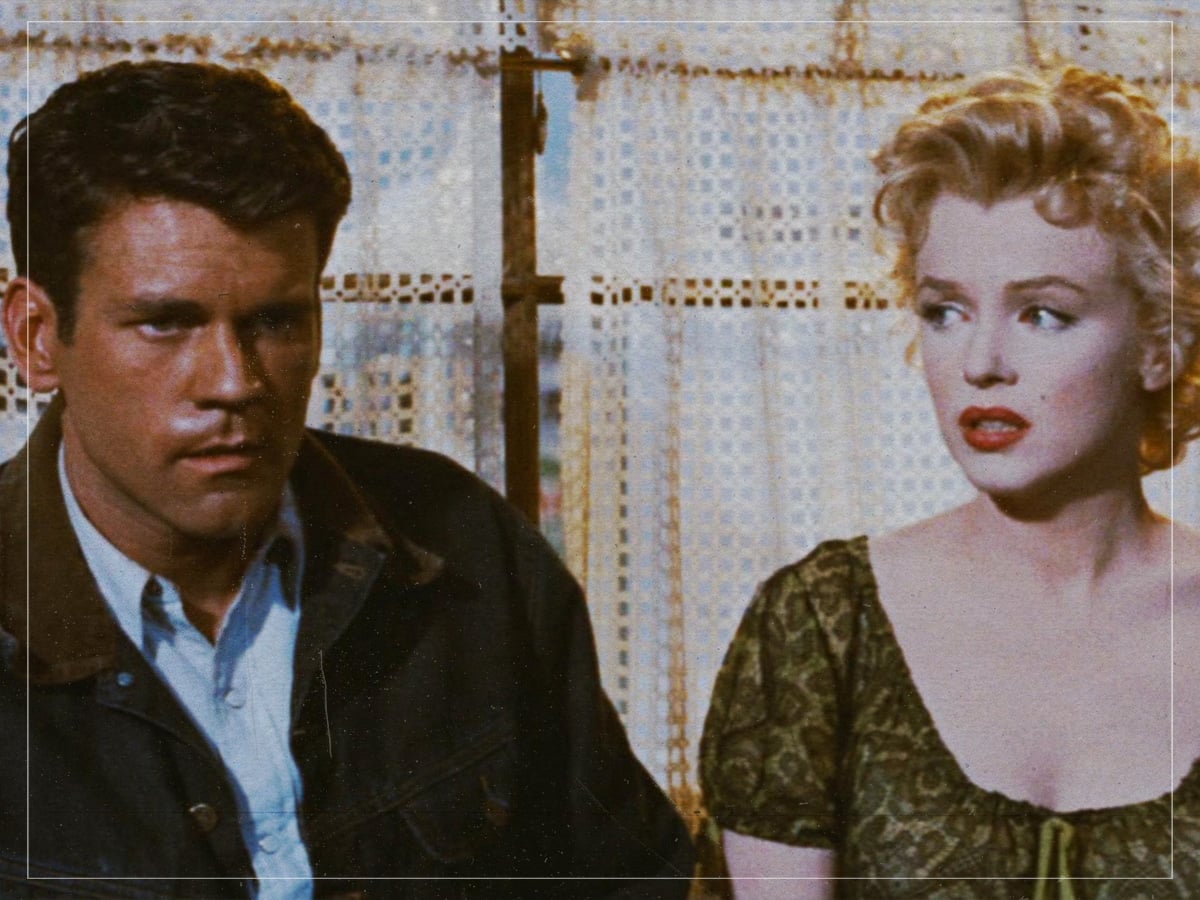
Bus Stop is not a good movie, but if you can mentally weed out all the melodrama and cringeworthy accents, there is a shining performance to be found.
Monroe made Bus Stop after a lengthy dispute with her studio, 20th Century-Fox, and it marked a new beginning. She is again playing an objectified showgirl, but in this case, the film acknowledges the personal challenges that such a position might hold. Cherie is a lounge singer in Phoenix who is abducted by a smitten young cowboy who lacks the grace to give her an option. While stranded at a bus stop during a snowstorm, their shaky foundation is tested.
This was Monroe’s first film after enrolling in the Actors’ Studio and beginning psychoanalysis. She had won a major contract dispute with her studio and had significant control over the movie. As a result, her character is much less glamorous than her previous roles, and the leering of her male audience is shown to be predatory rather than comedic. Monroe was constantly late and required dozens of takes for each scene, but she delivered a sensitive, often heartbreaking performance that provides a window into the hardscrabble past and challenging present of her character.
Despite the challenges she posed as a collaborator, director Joshua Logan was unequivocal in his praise. “I finally realised that I had a chance of working with the greatest artist I’d ever worked with in my life,” he recalled, “And it was Marilyn Monroe.”
‘Gentlemen Prefer Blondes’ (1953)
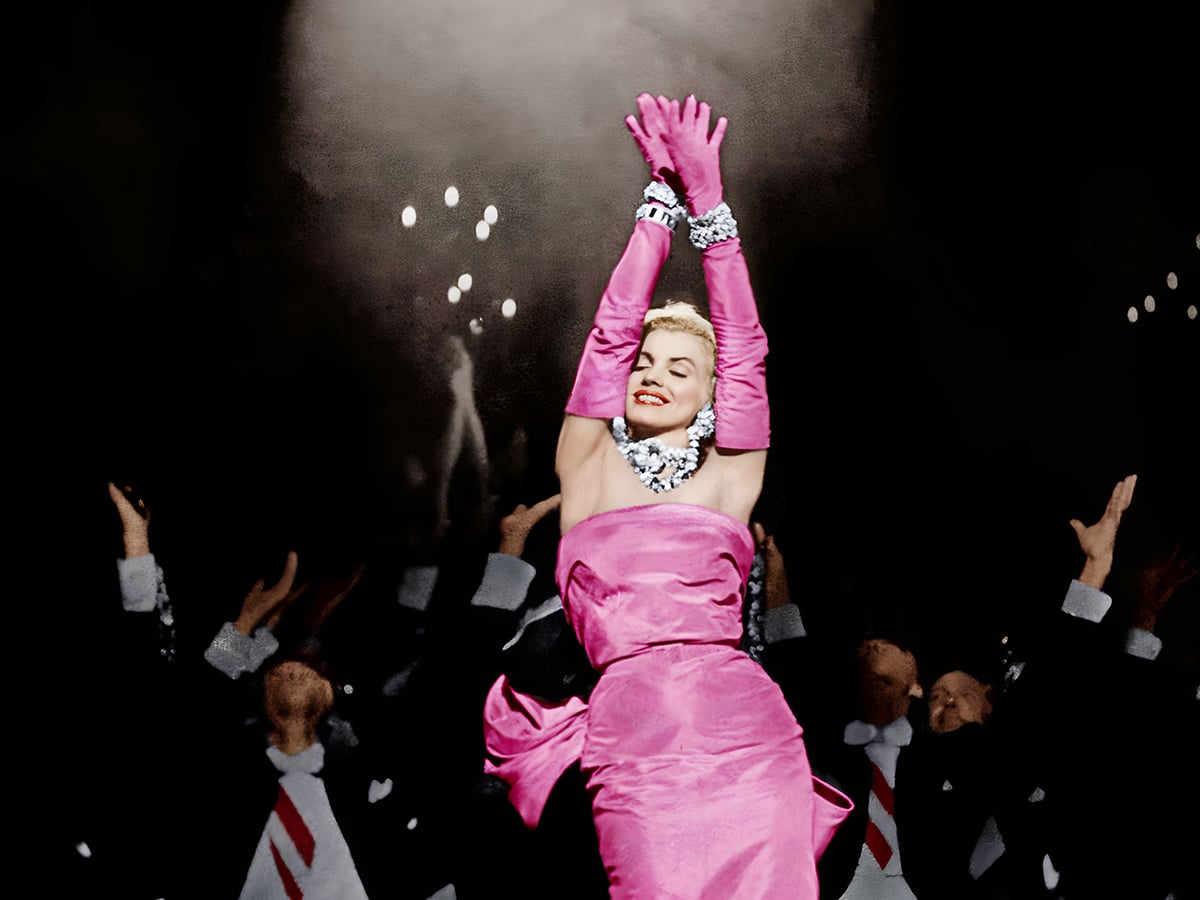
It’s hard to believe that Gentlemen Prefer Blondes was not written specifically for Monroe. It is such an homage to her as a screen phenomenon that whatever it was before her involvement seems irrelevant.
In reality, it began life as a novel before Monroe was even born. Written by the trailblazing author and screenwriter Anita Loos in 1925, the novel was adapted into a Broadway musical in 1949 before its film adaptation several years later. Monroe plays Lorelei Lee, a showgirl who is travelling to France by ship to marry her wealthy young fiancé whose family disapproves of her. She is joined by Jane Russell’s Dorothy, who, in contrast to Lorelei’s shrewd financial approach to romance, has a weakness for penniless men.
Lorelei is a parody of Monroe’s future dumb blonde persona, but she is often mischaracterised as the original version of it. The character is a wily operator who uses her extraordinary beauty as bait, and the men around her are universally taken in.
Her innate sweetness and integrity prevent her from being overly threatening for the male audience, but Monroe’s performance is full of biting wit and innuendo that crackle from the screen. It’s an explosive performance, and the one that set the groundwork for her many, many showgirl roles later on. It remained the best of them.
‘Don’t Bother to Knock’ (1952)
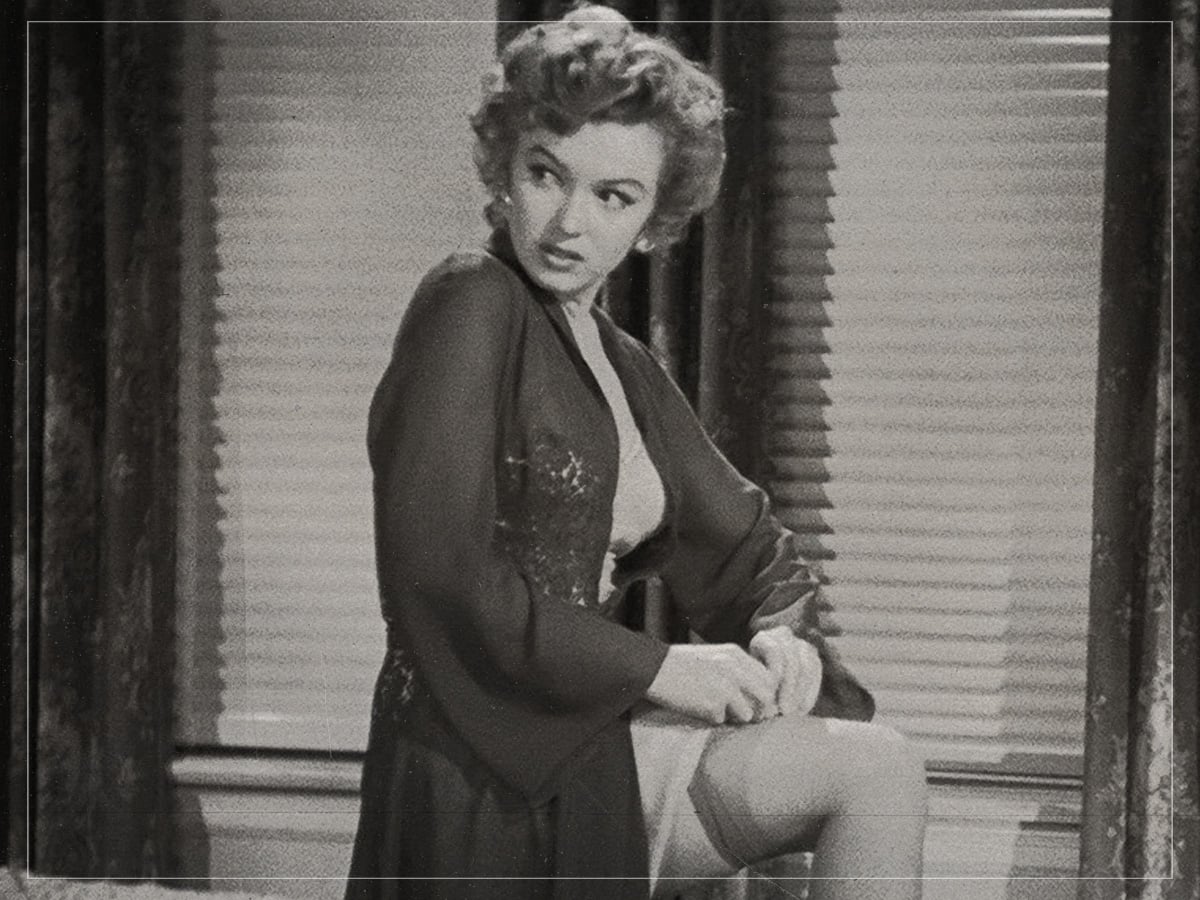
Monroe’s first starring role was in the black-and-white film noir, Don’t Bother to Knock. Her bombshell persona had yet to be established (it would happen the following year, with Niagara), and as such, she had more freedom to demonstrate her artistry as an actor than she would ever have again. Playing a babysitter whose grief over her fiancé’s death sends her into a tailspin of psychosis, Monroe’s performance is strikingly naturalistic despite the absurdity of the script.
Left to her own devices, we see the actor transform from dowdy and unassuming to whimsical, glamorous, lonely, and murderous. There is a moment at the end when her character finally comes to terms with the death of her fiancé. Her face doesn’t crumple in anguish, and she doesn’t break down. Even at this early stage in her career, Monroe understood the emotional proximity of the camera, and with hardly any movement in her features, she lets us in.
Anne Bancroft, who appeared with Monroe in the scene and would later earn an Oscar and two Tony Awards, was stunned by the performance. “It was so real,” she said. “I responded; I really reacted to her. She moved me so that tears came into my eyes. Believe me, such moments happened rarely, if ever again, in the early things I was doing [in Hollywood].”
We like to think that Hollywood constructed Marilyn Monroe, but really, what it did was make it harder for her to be an actor. Don’t Bother to Knock gives us an idea of the career she might have had if she’d gotten to be more than a bombshell.
