


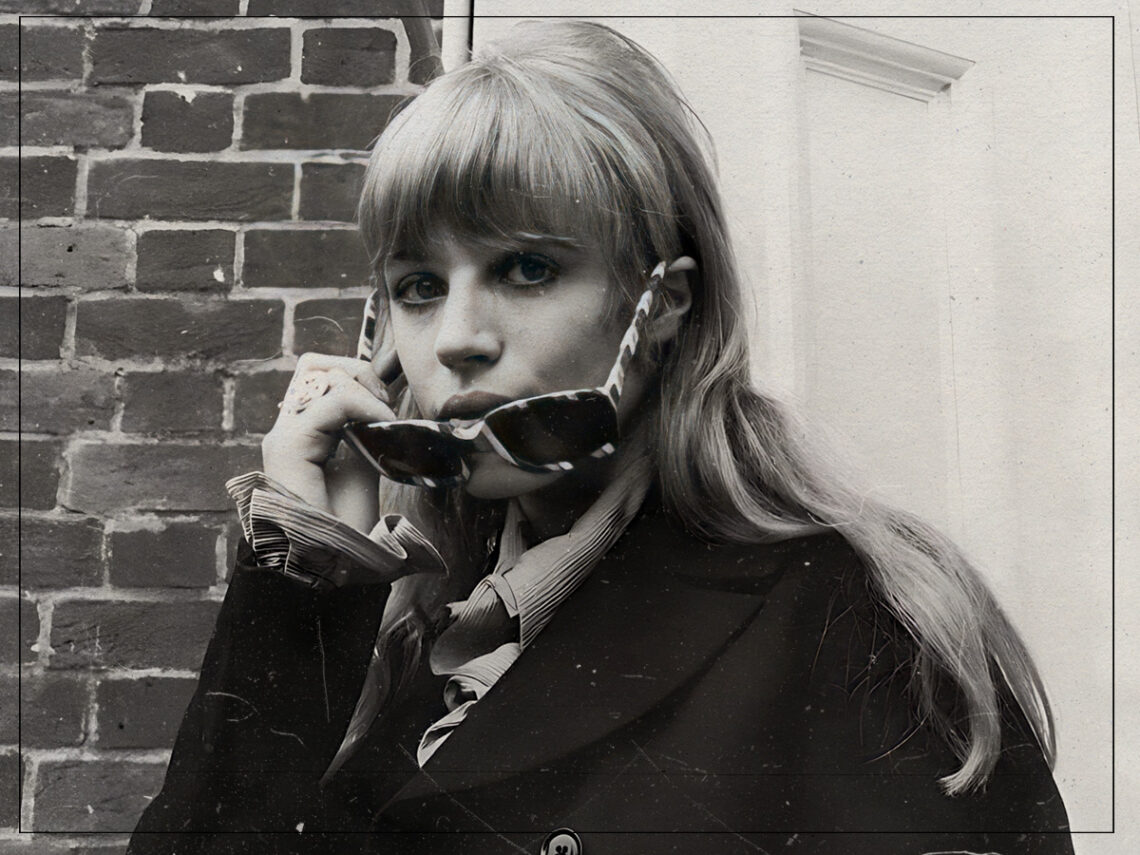
Clean and Obscene: Why Marianne Faithfull described The Beatles as “superficial”

Being a part of the same cultural scene as The Beatles, Marianne Faithfull had a front-row ticket to the darker side of rock ‘n’ roll. In the studio and outside of it, she observed the ways different influences impacted members of the band and others in their circle, learning of the various obscurities that forever changed one of the greatest bands in history.
From the moment the Fab Four exploded into the public domain, one of the biggest talking points was their image. Aside from the music, their cleanliness gave them broader mainstream appeal, drawing audiences from around the globe to their seemingly “safe” exterior. Behind closed doors, this was also a common joke, sometimes used as ammunition to disregard their artistry entirely.
Among the members, this became something fun to play with, even infiltrating some of their work and becoming staples of their ability to poke fun at themselves. Throughout A Hard Day’s Night, for instance, they repeatedly poke fun at one of the characters for being “clean”, knowing the context of pointing such a thing out when it was the exact thing they had become known for.
However, such a description was only amusing to the band members because they knew it to be fundamentally untrue. Like many in their close circle, The Beatles thrived on paradoxically coming across one way in the limelight and something else behind the scenes, namely when it came to drug use and other antics that made them seem rebellious in the face of fame and reputability.
Faithfull knew of these endeavours from day one, specifically when it came to John Lennon, and how their relationship was impacted by her proximity to Mick Jagger. In fact, Lennon’s perceived quest to prove himself as someone starkly unlike his public image eventually terrified her after he intimidated her for being close to someone he regarded as his biggest rival.
Still, Faithfull knew the “real” Beatles before many others did, not just in terms of what they got up to in their spare time but also how this impacted their playing. For instance, the band didn’t just have a subtle edge because they were doing loads of drugs; they also came across as gritty in places because of how this attitude shaped their approach to musical arrangements. In Faithfull’s eyes, this is what ultimately made them “superficial.”
As she put it: “Their sweetness is very superficial. You hear the undercurrent in Paul’s bass playing, you hear it in John’s harmonies, you hear it in the call-and-response stuff.”
In a way, this is also what gained them timeless appeal. The Beatles might have initially been hailed as one of the “cleaner” acts when it came to physical image and the music they wrote about, but these misconceptions came with an unsuspecting underlayer that let people into everything they ever felt about their music and the industry. After all, it’s one thing to look the part, but another to champion depth beneath the one-dimensional exterior.

Never Miss A Beat
The Far Out Beatles Newsletter
All the latest stories about The Beatles from the independent voice of culture.
Straight to your inbox.