


Ramases: the man from Sheffield who believed he was an Egyptian god

Towards the end of the 1960s, it was profitable to be making psychedelic music. There were a few reasons for this. The first is that a number of popular bands either were psychedelic bands, such as Pink Floyd, or were dabbling in psychedelic music, such as The Beatles. To say it had taken the world by storm would be pushing it, but there was definite traction.
The second reason psychedelic music was suddenly more popular was political unrest at the time. Multiple assassinations of figures such as John F Kennedy and Martin Luther King Jr highlighted differences in the generational gap. Record labels could not predict what would and wouldn’t sell, and they didn’t want to appear too political during a period of political unrest. As such, the strange world of psychedelia was a good place to hide in.
The layered textures of psychedelic music, a lot of bizarre lyricism, and no political leaning made for a great angle that record labels could take and still feel safe with their choices. The genre was gaining traction, and they decided to capitalise on it during a period when it was difficult to capitalise on anything else.
This decision led to the rise of a number of different psychedelic bands, all of whom liked the sound of the genre and also could recognise it as one of the next big musical movements. Generally speaking, everyone’s intent behind making psychedelic music was fairly straightforward; however, this didn’t apply to Ramases.
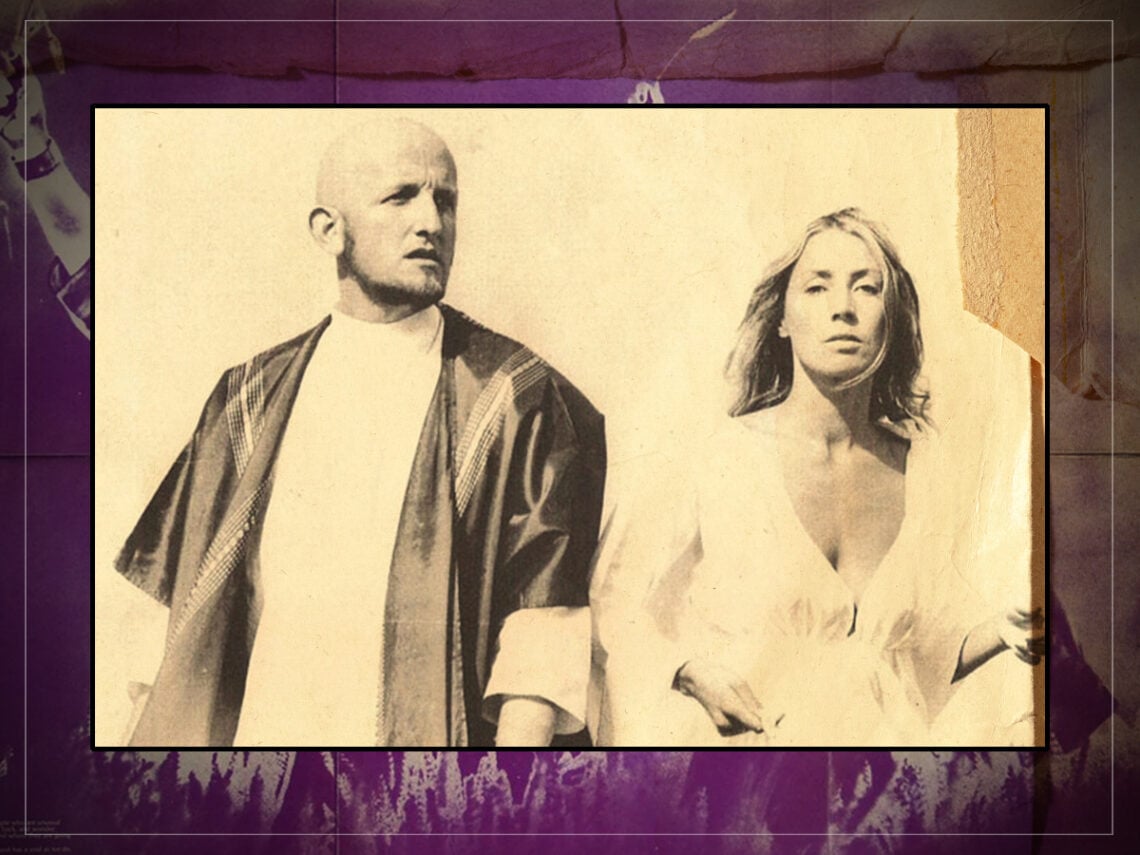
While we can’t be sure, most accounts suggest his birth name was Barrington Frost. He was a PT instructor in the army and then moved back to Sheffield (his hometown) to sell heating to different homes. He had a wife and by all accounts, a fairly regular life, but something in him changed. The first clue that people got that a lot was happening in his busy mind came in the form of his clothes, as he started wearing free-flowing robes around the city. He also decided to tear all of the furniture out of his house and start redecorating with the intention of turning the space into a Roman bath.

While information surrounding Frost is hard to come by, those who are well-versed in psychedelia put his change in mood down to one very specific evening. The story goes that he was driving through South Yorkshire one night and was stopped by the Egyptian pharaoh Ramesses. As a result of the visit, Frost had an epiphany, realising that he had been reincarnated as the pharaoh. This prompted his change in clothes, style, and career.
Ramesses was the third ruler of the 19th dynasty and is considered one of the most celebrated and powerful pharaohs in the New Kingdom. He was also a decorated warrior and is generally regarded as one of the greatest pharaohs of the age, which is why he is often known as Ramesses the Great.
While Frost might have been the reincarnated version of this pharaoh, his warrior and ruling days were behind him. Rather than take over the world, he opted to wear different clothes, redecorate his home, and start making music. With the latter, he released an album called Space Hymns, which is now considered a cult classic and invokes the sound of a lot of Egyptian music.
The album was recorded at Strawberry Studios in Stockport and featured Frost writing the music and putting the album together with the support of a backing band. While Space Hymns has a cult following, the most famous thing to come out of the album was the backing band. Ramases had the help of Eric Stewart, Graham Gouldman, Loi Crème and Kevin Godley, who later went on to create the band 10cc.
Frost’s following albums failed to take off in the same way that Space Hymns did; however, there is an obvious musical talent there. Regardless of what strange story prompted him to start making music, there is no denying that these records are incredibly engaging listens. The ambience of the opener, ‘Life Child’, followed by a face-melting guitar solo, is incredibly exciting to listen to and highlights just how much of a great knowledge of music Frost has. Not to mention, the varied nature of the album and how he incorporates sounds from various cultures in this pursuit of psychedelia is truly inspired.
Information about Frost as a person is scarce. According to Wikipedia, he passed away on December 2nd, 1976, but other details about his life are hard to come by. What is a dead certainty is that he is one of the most underrated psychedelic musicians from the strange period in the ‘60s when the genre dominated.
