


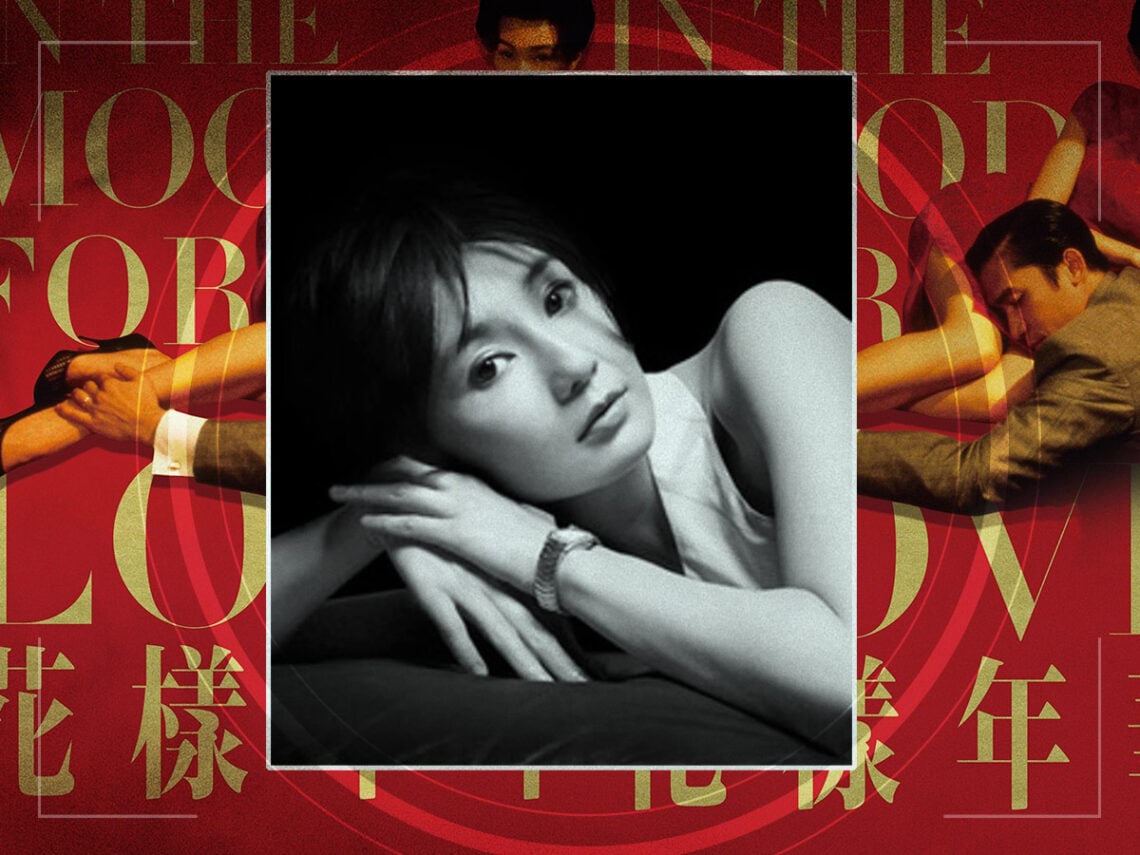
Maggie Cheung on the real-life influence behind ‘In the Mood for Love’: “The characters in the end were inspired by us”

There are few films that are unanimously proclaimed as masterpieces, with many cinephiles debating the very definition of this word and the manner in which it is thrown around and attached to projects that don’t deserve it.
While some are vehemently passionate in their defense of Marvel movies, and others are insistent that Cat in the Hat is a modern masterpiece (myself included), there are others with a strict rhetoric about who can be allowed into the cinematic hall of fame, with the likes of Martin Scorsese and Chantal Akerman being seen as some of the few members of this exclusive club.
One movie, however, is widely regarded as a well-polished gem of independent cinema. And, according to leading lady Maggie Cheung the production was pulled together through blood, sweat and tears.
Making movies can be special, and In the Mood for Love is one of those rare projects. The iconic picture leapt from the screen and somehow transcended cinema itself to become one of the most universally cherished love stories of all time.
Of course, such a schmaltzy moniker belies how bleak and cynical it is. Wong Kar-Wai creates a restrained and subtle film about two people who desperately yearn to be together. Despite their deepest desires, they cannot make their relationship work, leaving the audience in pieces.
If you want heavy dialogue then you will be disappointed. In the Mood for Love, is not about professing your love but about feeling it. They say a picture holds a thousand words, and within every drawn out glance, tomes are penned. It’s not just in the performances but in what we see on screen too. Costumes and set designs also hint at the innermost intentions of our protagonists who are deeply in love but unable to act on it. With this, it manages to be both incessantly sad and deeply romantic.
During a press conference for the film after its release, Cheung revealed how some traits of the lead characters were actually based on Cheun and Leung, with Kar Wai incorporating some of their real-life qualities into the writing of the characters. When discussing this, the actor said, “I don’t think the film would’ve been the same if it wasn’t us. Kar Wai would’ve still made the same film, but the characters would’ve been different because the characters in the end were inspired by us.”
She highlighted how they not only brought the characters to life, but embodied them on a deep and visceral level, adding, “Although I wouldn’t say I’m exactly this woman or I am like her, but there are elements about her that, from his observations about me, it became that. So I do feel there’s my blood and soul in the film”.
There are many artists who relate to this feeling of putting their entire soul and being into a story, something that can be felt through the unspoken tension and vulnerability in In the Mood for Love that can surely only come from real life. As a result, it creates a cocktail of deeply personal and fictional elements that is perhaps the secret behind its timelessness, bringing reality into the narrative realm and creating a story informed by the people who made it.
