


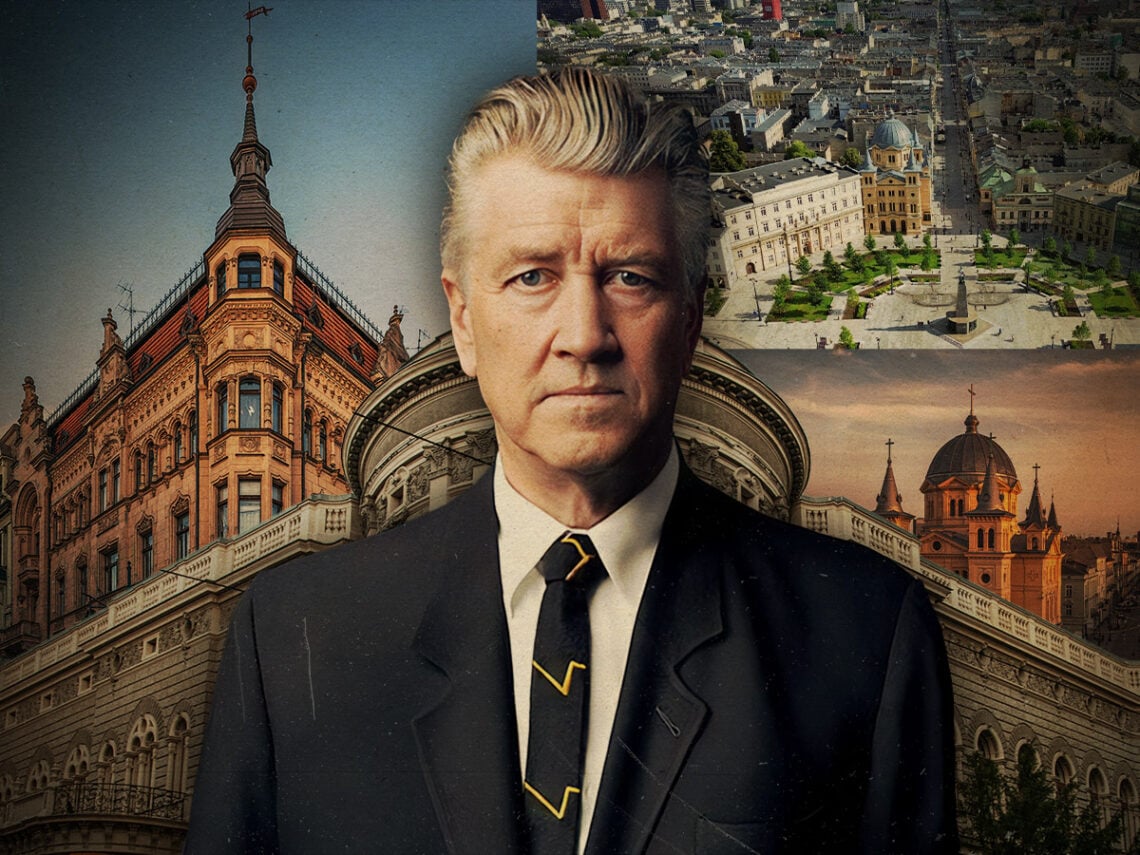
Lodz: The most strangely Lynchian town in the world

The city of Lodz sits in the centre of Poland, a long way from Montana, USA, where David Lynch was born just after the end of the Second World War.
First mentioned in the 14th century, Lodz was a modest settlement until exploding into being one of Europe’s great industrial cities.
In the 19th century, it began its new life as a hub for textile production, earning the nickname ‘Polish Manchester’. Industrialists from around Europe arrived almost overnight, building huge red brick factories and turning it into one of the fastest-growing cities on the planet. Then the horrors of WWII, followed by communism, damaged the city before it reinvented itself once again.
While the history is impressive in its own right, there was something else about this industrial city, 75 miles south-west of Warsaw, that impacted one David Lynch deeply and began his long-lasting association with the region.
Like everything Lynch, so much comes down to aesthetics, a beautiful mix of the past and present, simultaneously feeling both alive and dreamlike. You drift into Lodz, where grand old buildings sit next to the decaying red brick factories that inspired its industrial growth, and then you turn the corner, and you’re walking down a boulevard that looks untouched for centuries.
Lynch first visited Lodz in the early 2000s for the Camerimage Festival, and instantly fell in love with the city. He later returned, and on that trip, he came up with the idea of Inland Empire, which was primarily shot in the city, with Lodz acting as a canvas on which the story is painted.
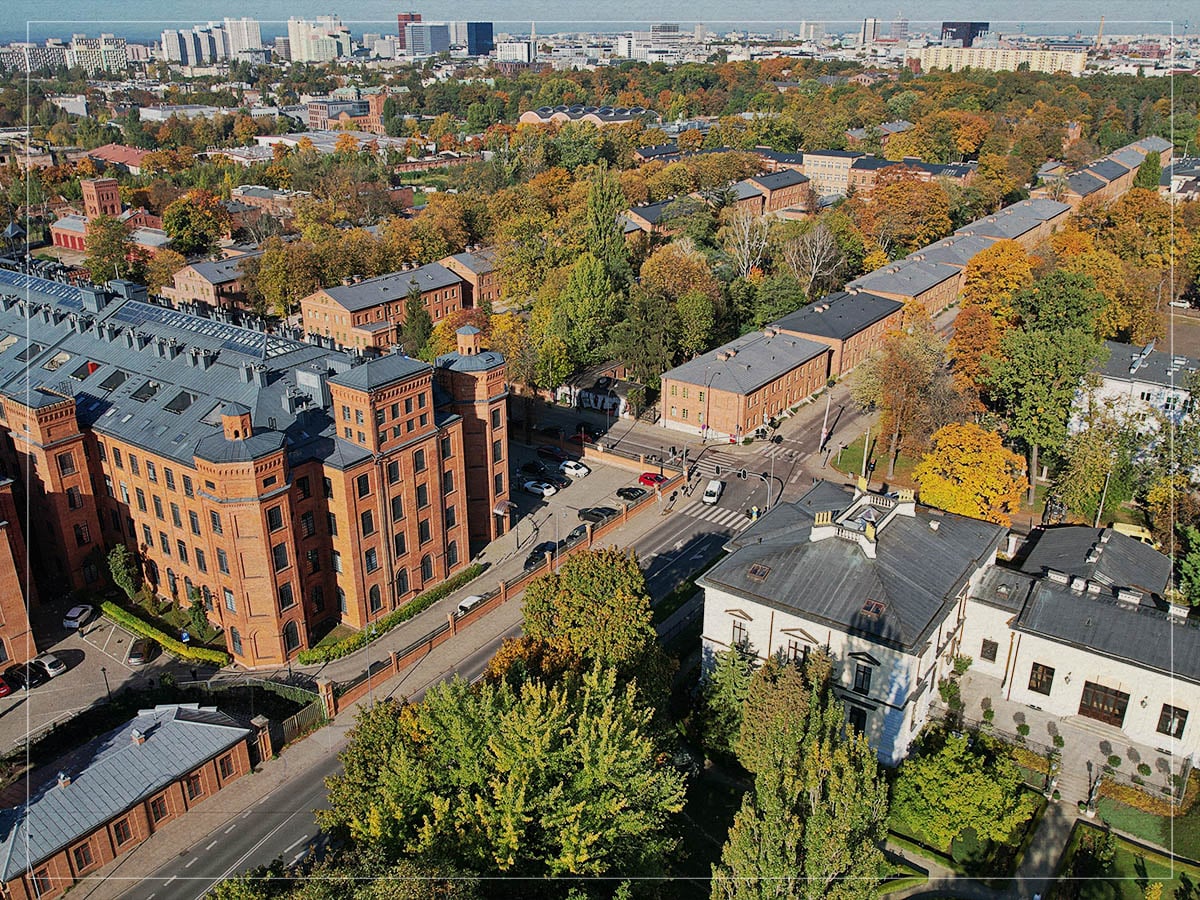
The filmmaker then visited the city on a regular basis before he died in January 2025, getting personally involved with Lodz, proposing a cultural centre to be built inside the former site of a thermal power plant. Lynch had a real passion for the city, and now, even after his passing, that love of the city has been transmitted to his fans, who account for a chunk of its tourist trade. Visitors come year-round, especially given that Lynch praised out-of-season visits, saying that Lodz “has beautiful winter light, low hanging grey clouds. The architecture and factories and leafless trees, it’s beautiful”.
That vision of Lodz in winter is indicative of how Lynchian the city is. The phrase is often misused, with people thinking that it just means weirdness for its own sake, but real Lynchian qualities are deeper and more subtle; it’s a feeling that something is bubbling away just under the surface of regular life that makes the ordinary, extraordinary.
That’s the case for Twin Peaks, which was a small American town, much like any other, but it held deep secrets underneath, transforming from normal to scary, uneasy and mysterious, a quality that Lodz possesses as well. It’s not the stag-nirvana of Krakow, where what you see is very much what you get, nor is it Warsaw, a city brimming with culture. Lodz is a humdrum worker’s town that’s real and lived in.
As a country, Poland bears the scars of its history of war and occupation, communism and the economic collapse that followed it. The neighbourhoods show that history on their bricks. These ghosts are central to Lynch, with the feel of previous lives ever-present as you walk the city, from the renovated shopping centre to crumbling industrial structures.
In Lynch’s work, there’s a constant theme that locations aren’t just settings, with space almost becoming a character. Just as people’s experiences shape them, in his films, you see that history also impacts place too.
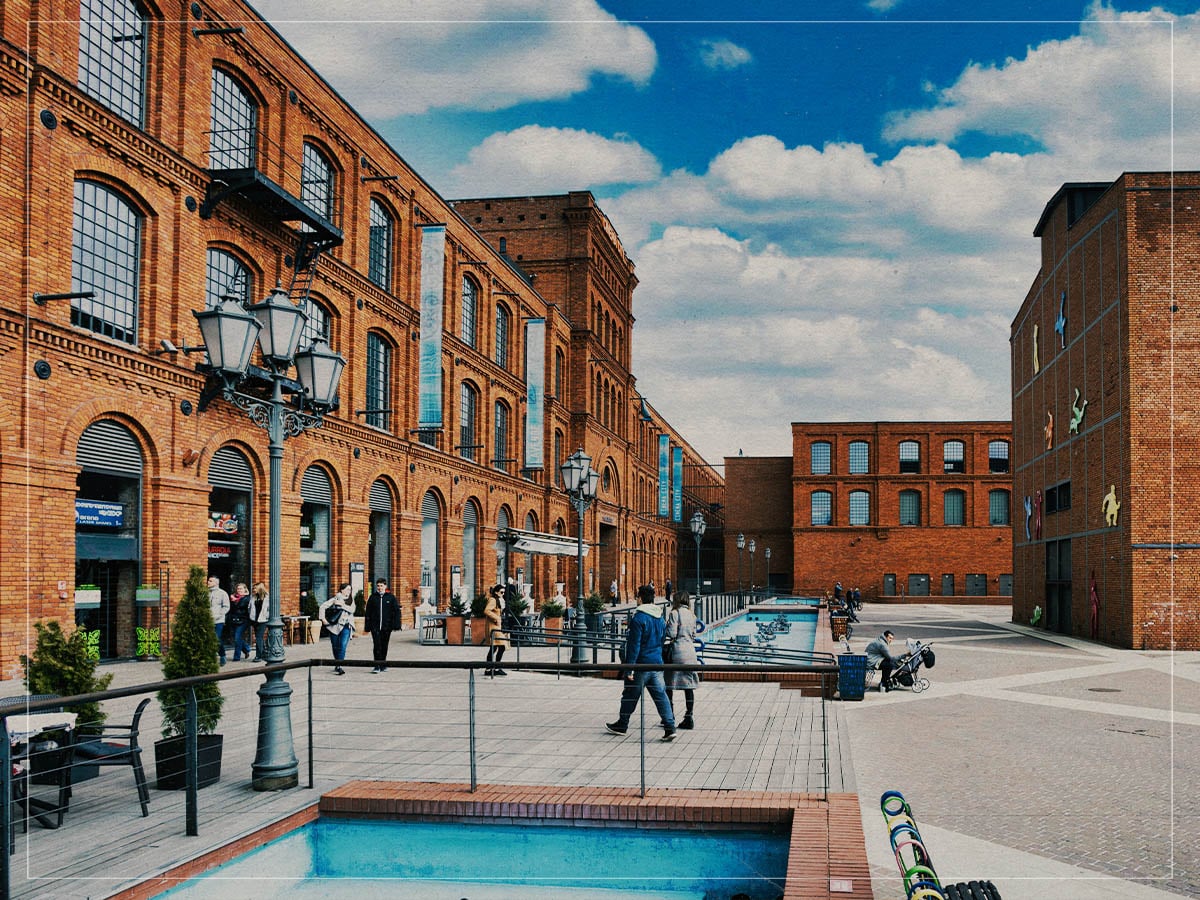
Lodz is a city of unanswered questions, a city that straddles past and present, shabby and chic. It’s a city of visual melancholy, colourful yet monochromatic, and very cinematic. While other cities spend a lot of time and public money becoming more coherent, more sanitised, and easier to understand, Lodz doesn’t. It’s strange, it’s different, and it has an identity all of its own, which is exactly why Lynch fell in love with it.
