


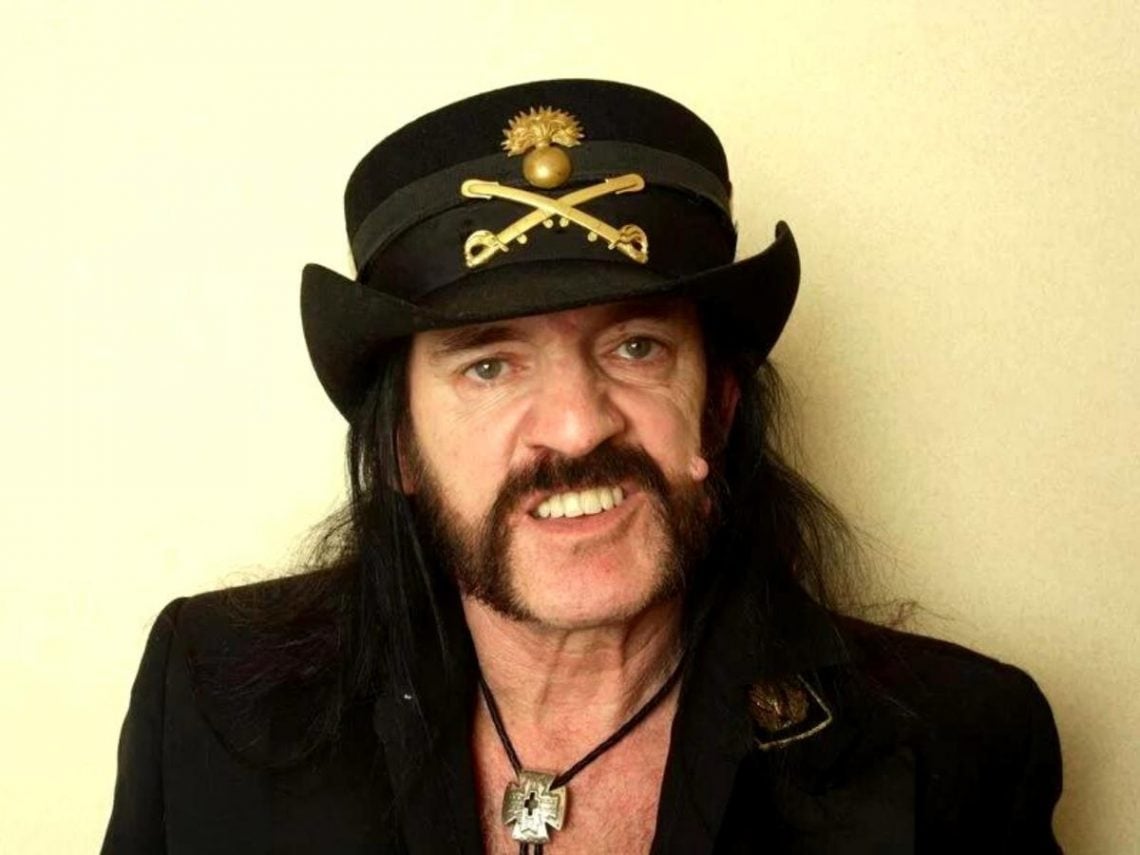
Lemmy believed The Who should have broken up: “I don’t know why they still bother”

There aren’t many artists who can claim to have enjoyed the career that Lemmy did. From being a roadie for Jimi Hendrix to helping form the basis of modern metal with Motörhead, Lemmy was the ultimate example of how to age gracefully along with his music, never letting up until his final hours on the band’s final release, Bad Magic. While Lemmy may have been one of the actual rock and roll survivors for a while, he thought a few legends were staying too long at the party.
Then again, Lemmy was always known for his silver tongue when it came to newer acts. Writing off nu-metal as a farce during the 2000s, Lemmy refused to apologise for how he felt about newer musicians. He believed all he needed to satisfy an audience was a blown-out amplifier and a microphone extended above his head.
For the most part, he was right, too. Outside of the fantastic work he contributed to other musicians’ albums, projects like Ace of Spades and Overkill would set the standard for what hard rock was meant to be, playing songs at lightning speed with lyrics indebted to the credence of sex, drugs and rock and roll.
Around the time that Lemmy had started to create his vision of what rock and roll could be, the 1970s were giving way to the first-ever stadium rock acts. Between the fantastic shows that Motörhead could put on for any audience that would have them, The Who reinvented what the live show meant, with Keith Moon becoming a wild animal every time he got behind his drumkit.
While The Who may have had the best live shows around then, the death of Moon in the late 1970s cast a dark shadow of where they would be going. Although the band could soldier on through albums like It’s Hard throughout the 1980s and into the future, Lemmy thought their glory days were behind them years ago.
Talking to The Guardian about the state of the genre, Lemmy would say that The Who should have packed it in after losing their core lineup. Having lost original bassist John Entwistle as well, Lemmy thought that the band were a shadow of their former selves, saying, “The Who are f*cked. I don’t know why they still bother without John and Keith, you know? They should have broken up in 1978.”
Even though the band may not have had the same power without Moon, their later career had at least their fair share of highlights. After gaining another hit with ‘You Better You Bet’, Townshend started to embrace the synthesisers that he had helped pioneer in the early 1970s, giving way to songs that fit right into the MTV generation without having to sell out.
By the time Townshend soldiered into the 1980s, though, even he understood that his music had gotten out of hand. Even though he might have been able to write hits that got in the charts, a song like ‘Eminence Front’ was an open letter to various Who fans, reminding them that most of their new music was a put-on compared to what they had worked on previously. Lemmy may have had a slow burn throughout his career, but looking at where The Who took their career, he couldn’t help but see a band trying desperately to reclaim their past glory.
