


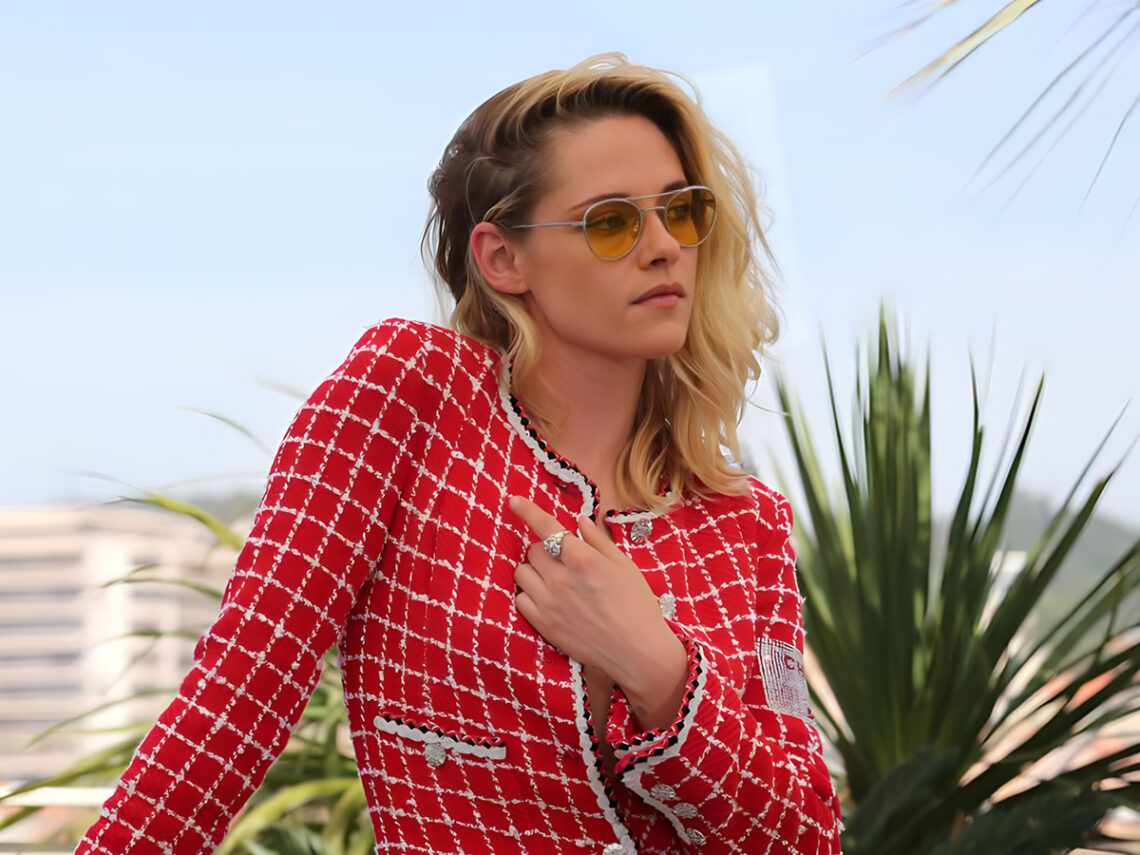
Kristen Stewart’s four favourite movies: “I was screaming at the screen”

Kristen Stewart has had one of the most fascinating career evolutions of any actor I can think of, with many performers who found fame through commercial films going on to make polar opposite choices that counteract their involvement in mainstream projects. From the likes of Daniel Radcliffe and his stream of bizarre indie films like Guns Akimbo and Swiss Army Man, to Elijah Wood and his slow departure from the spotlight after The Lord of the Rings, perhaps the best actors are those who take creative risks without wondering how they will be received, leading to films that couldn’t be made by anyone else.
For Stewart, her career has flourished in new directions since the height of her Twilight era, becoming a regular collaborator of Olivier Assayas and working with directors like Pablo Larrain, David Cronenberg and Kelly Reichardt. However, things have recently taken a turn for Stewart after premiering her directorial debut, The Chronology of Water, at the Cannes Film Festival, with the filmmaker discussing her influences and the four films that have shaped her artistic identity.
The first film that Stewart mentioned was none other than Morvern Callar, directed by Lynne Ramsay in 2002. The film follows a young woman in the aftermath of her boyfriend’s suicide, attempting to rebuild her life through the unpublished novel and money he left behind. Samantha Morton’s performance has been praised as one of the greatest of all time, with a raw quality that adds to the strange bleakness of the story and its stripped-back approach to exploring grief. When discussing this, Stewart said, “I was screaming at the screen when I watched it. Might be one of the reasons I made this movie [Chronology of Water]”.
Next up on her list, the filmmaker described one of the lesser-known works from French feminist director Catherine Breillat, a controversial figure who is known for her provocative and often extreme storytelling methods. A Real Young Girl is no exception, a sexual coming-of-age story that, in typical Breillat fashion, explores the consequences of desire for young girls.
Stewart had plenty to say about her next choice, Angela, saying, “They’re just dream states. They have first-person perspectives, but in a way that doesn’t feel trite. I can’t believe a child didn’t make Angela. It feels like it was made by a really astute, as they tend to be, brilliant eleven-year-old girl. It’s so fucking good”. Directed by Rebecca Miller, it is a dark and ominous story that looks at mental illness through the eyes of a child, with Angela reimagining these experiences through nightmarish visions.
And lastly, in a very fitting final choice, Stewart praised the queen herself and the lasting power of Agnes Varda’s 1965 film, Le Bonheur. As a dream-like critique of masculinity and the male ego, it is perhaps one of her most cutting films, with Stewart saying, “It’s just the edit. It’s just such an internal experience. Without saying anything, you could say so much. In just 30 seconds, you could have just an entire life lived, just by fracturing an experience”.
The film very much fractures the life of this woman by cutting between her daily routines as she takes care of the home and children, and the behaviour of her husband, who finds himself drawn to another woman and slowly tears their family apart. It’s a brutal yet incredibly incisive film from Varda, with so much to say about womanhood and the patriarchal forces that destroy us.
