


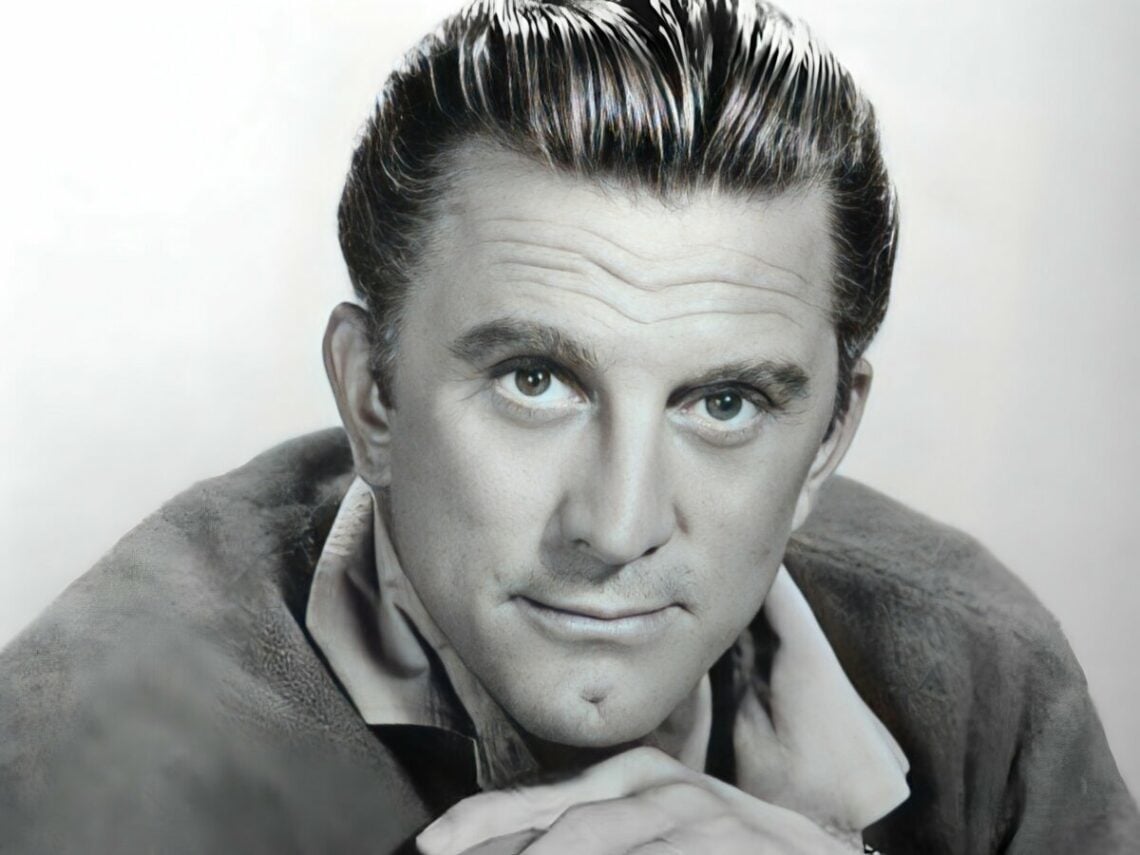
“The only step down is if you do lousy work”: when Kirk Douglas predicted Hollywood’s future

In addition to being one of ‘Golden Age’ Hollywood’s foremost leading men, Kirk Douglas was also one of the industry’s smartest and savviest operators who tended to be one step ahead of the curve.
It was a period when the most prominent stars were typically shackled to the studio system and signed to multi-picture contracts that gave actors very little control over their destinies. While Douglas inked a few of those deals himself, he was also among the first to branch out and dictate his own trajectory.
By founding a production company, Douglas helped pioneer the ‘one for them, one for me’ mindset among Tinseltown’s brightest-shining stars. He could develop passion projects from the ground up that he was interested in on an emotional level, with his high-paying studio gigs ensuring he didn’t end up staring a financial black hole in the face.
These days, it’s commonplace for actors to double as producers, but it wasn’t when he started doing it. Of course, Douglas was also pivotal in ending the communist blacklist when he wouldn’t accept anything other than Dalton Trumbo being credited under his real name for the Spartacus screenplay, and by the mid-1980s, it appeared as if he could even see the future.
Between 1982’s The Man from Snowy River and 1991’s Oscar, the three-time Academy Award nominee only appeared in two theatrically released films. He wasn’t sitting at home twiddling his thumbs, though, lending his star power to three made-for-TV movies and the miniseries Queenie.
At the time, recognisable big-screen actors heading to television was seen as an acceptance that their name-above-the-title days were over and they’d semi-retired to less demanding work and easier paycheques, but that wasn’t how Douglas saw it at all.
“The only step down is if you do lousy work,” he told The New York Times when asked if television was beneath someone of his reputation. “I think television will become increasingly important. A lot of the movies that are made by the studios today are embarrassing.”
Fast forward to today, and he was right. The major studios continue to churn out mindless, formulaic, and identikit blockbusters for mass consumption, while the most gifted actors of multiple generations have been flocking to television to populate star-studded limited series and miniseries that provide them with meaty material to sink their teeth into.
Douglas knew storytelling would suffer as Hollywood went all-in on expensive, effects-heavy, and heavily-marketed pictures designed to capture the widest audience and make the most money. Instead, he cast his eye towards TV, where he knew he’d be given the breathing room to inhabit a character, make it his own, and focus on the work without the bells and whistles of mainstream filmmaking to deal with.
In the 21st century, nobody bats an eyelid when an A-lister, esteemed veteran, or icon is announced for a TV series because it’s become the norm. When Douglas did it, many saw it as an admission of defeat that he was on a one-way street towards irrelevancy, but he was ahead of the curve yet again.
