



Kid Congo Powers picks his favourite songs

For several decades, Kid Congo Powers made his bones as a guitarist with some of the least boring bands from the realms of punk, post-punk, and art-rock: The Cramps, The Gun Club, and Nick Cave & The Bad Seeds, among them.
Growing up in Southern California in the 1960s and early ‘70s, though, the budding musician then known as Brian Tristan wasn’t necessarily drawn to the guitar gods of the time as his primary inspiration.
“I always look for a certain quality,” Powers told the Boston Globe in 1995, noting his fondness for the sadder tones of blues and gospel music. “I’m a big fan of voices, not necessarily a pitch-perfect voice, but a voice that conveys some emotion. I like going for the full effect with no mincing around.”
This certainly explains why Powers found himself drawn to lead singers such as the Cramps’ Lux Interior or a gothic torch singer like Cave. Many of his favourite songs beyond his own work also fit the described mould, as he shared with DJ Joshua Hodson-Smith during a correspondence between the two in 2016.
Hodson-Smith eventually put together a playlist of some of Kid Congo’s favourite tracks, which is every bit as eclectic and bizarro as you’d hope it to be.
Kid Congo Powers’ favourite songs:
Jimi Hendrix – ‘Castles Made of Sand’ (1967)
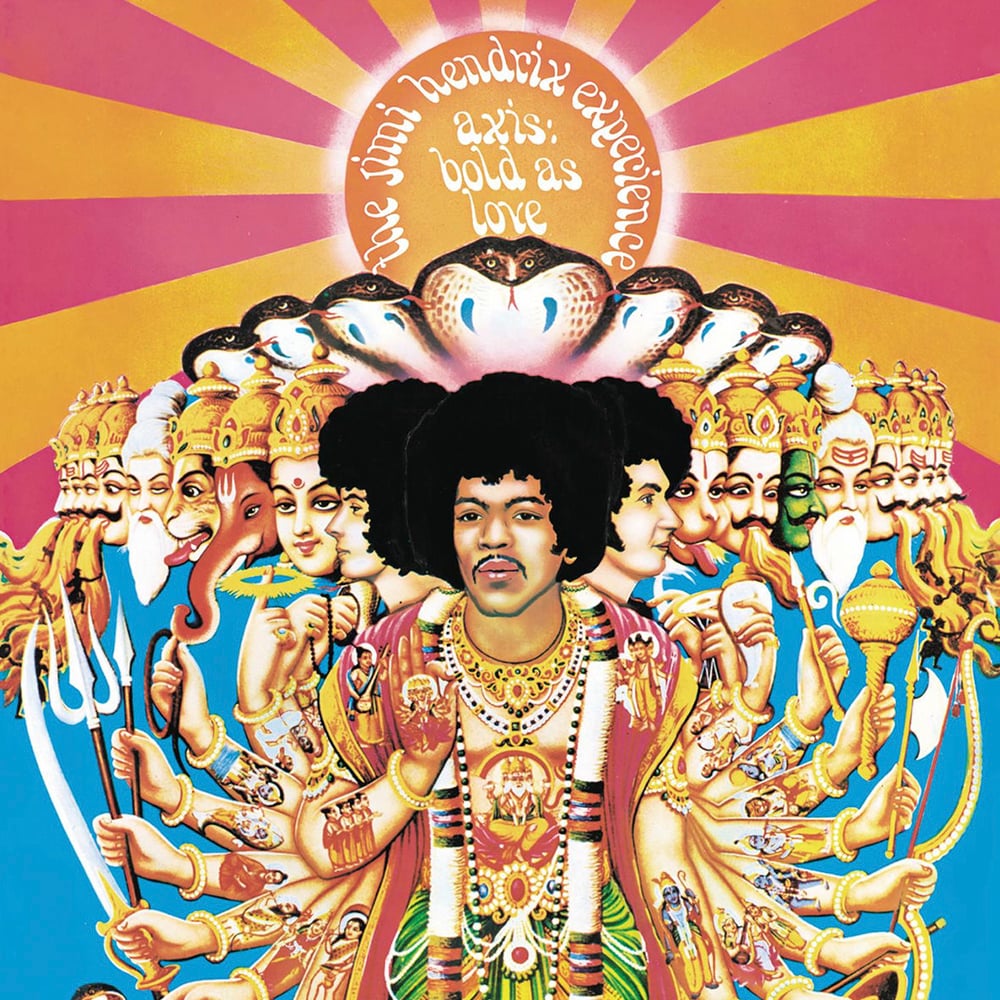
OK, so Powers did gravitate to at least one well-recognised guitar god. On this track from Axis: Bold as Love (1967), though, Jimi Hendrix isn’t in flashy mode, instead delivering one of his most poignant Dylanesque ballads.
‘Castle of Sand’ ditches the usual flash and noise, leaving something quieter – a reflection on how fragile everything is, how nothing really sticks around. Hendrix’s guitar feels almost weightless, more like storytelling than showmanship, and there’s a worn-down kind of sadness in his voice. It’s vulnerable in a way you don’t hear much in his bigger, more explosive tracks.
Dr John – ‘Gris-Gris Gumbo Ya Ya’ (1968)
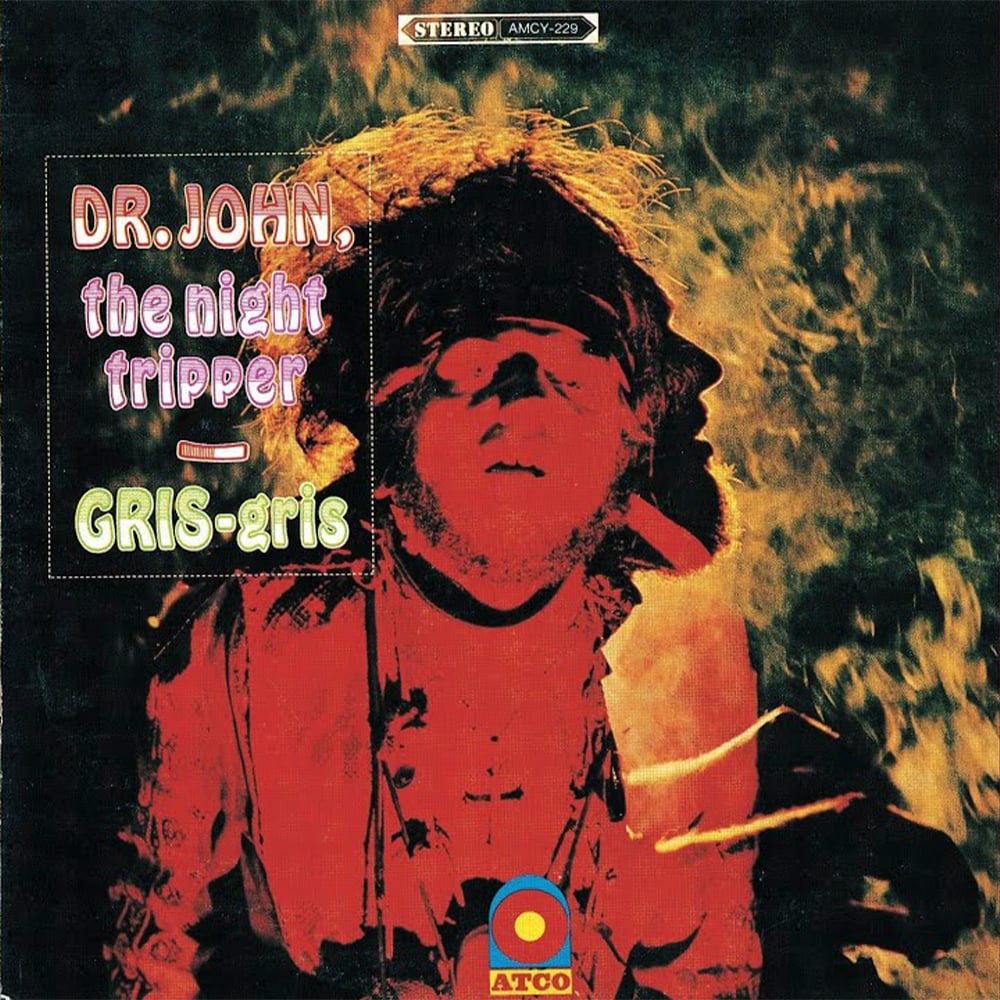
Dr John’s 1968 debut Gris-Gris marked the arrival of something strange and swamp-soaked – a voodoo-laced twist on New Orleans psychedelia. ‘Gris-Gris Gumbo Ya Ya’ isn’t just a song, really, it plays more like a spell, weaving together Mardi Gras Indian chants, trippy rhythms, and that gravelly croak of his into something thick and hypnotic.
For a guitarist like Powers, already leaning into the gothic, the theatrical, and the downright odd, Dr John must’ve felt like a kindred spirit. The way Gris-Gris blurred performance and ritual with pure sonic weirdness made it feel less like an album and more like scripture for anyone trying to pull rock into darker, more mysterious corners.
Randy Alvey & The Green Fuz – ‘Green Fuz’ (1969)
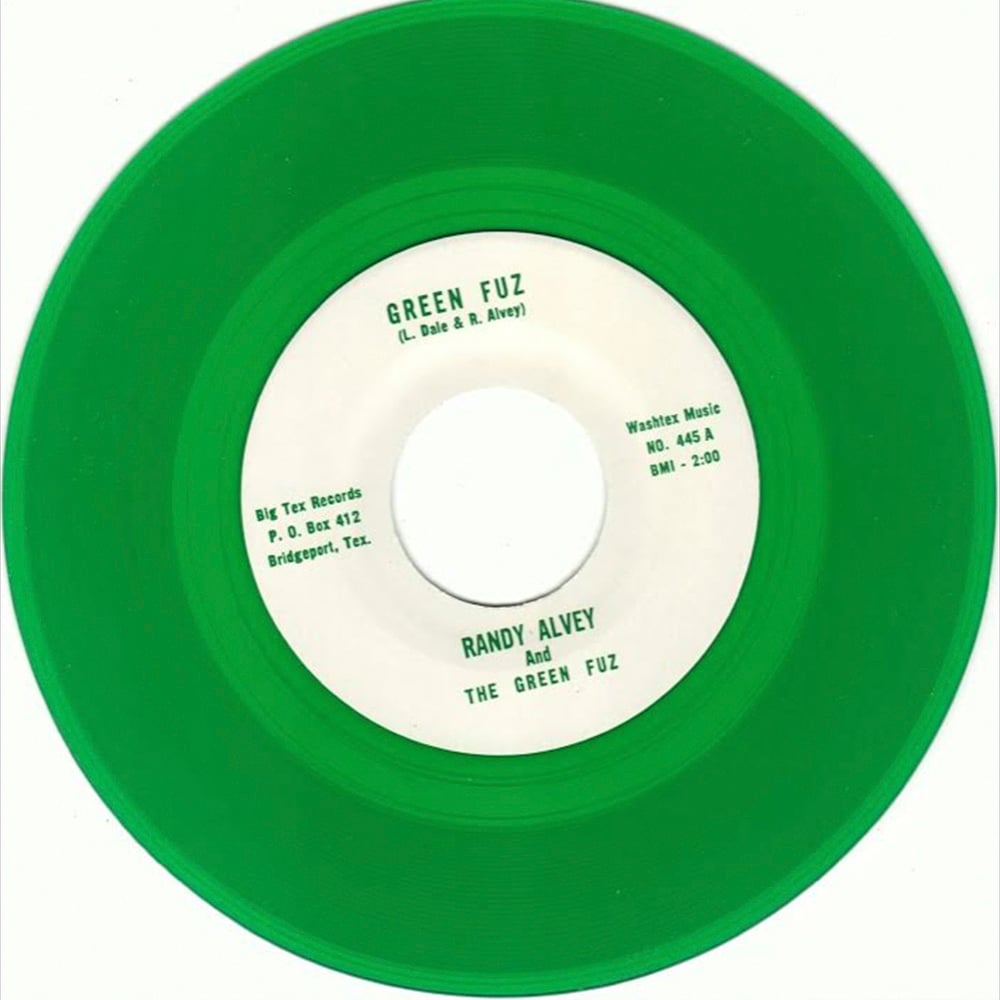
Released in 1969, ‘Green Fuz’ by Texas garage band Randy Alvey & The Green Fuz has often been dubbed “the holy grail of garage rock”. The recording quality’s famously rough, with guitars fizzing into oblivion and the vocals half-lost in the murk. In any other setting, it might’ve come off as a bit amateur – but here, it just feels like a proper time capsule of raw, unfiltered teenage energy.
Punk didn’t exist, technically, when this song came out, but hearing lo-fi garage rock records like this inspired the kids of the ’60s, like Powers, to ultimately become the punks of the late ’70s, explaining why the Cramps eventually did their own version of ‘Green Fuz.’
Gal Costa – ‘Não Identificado’ (1969)
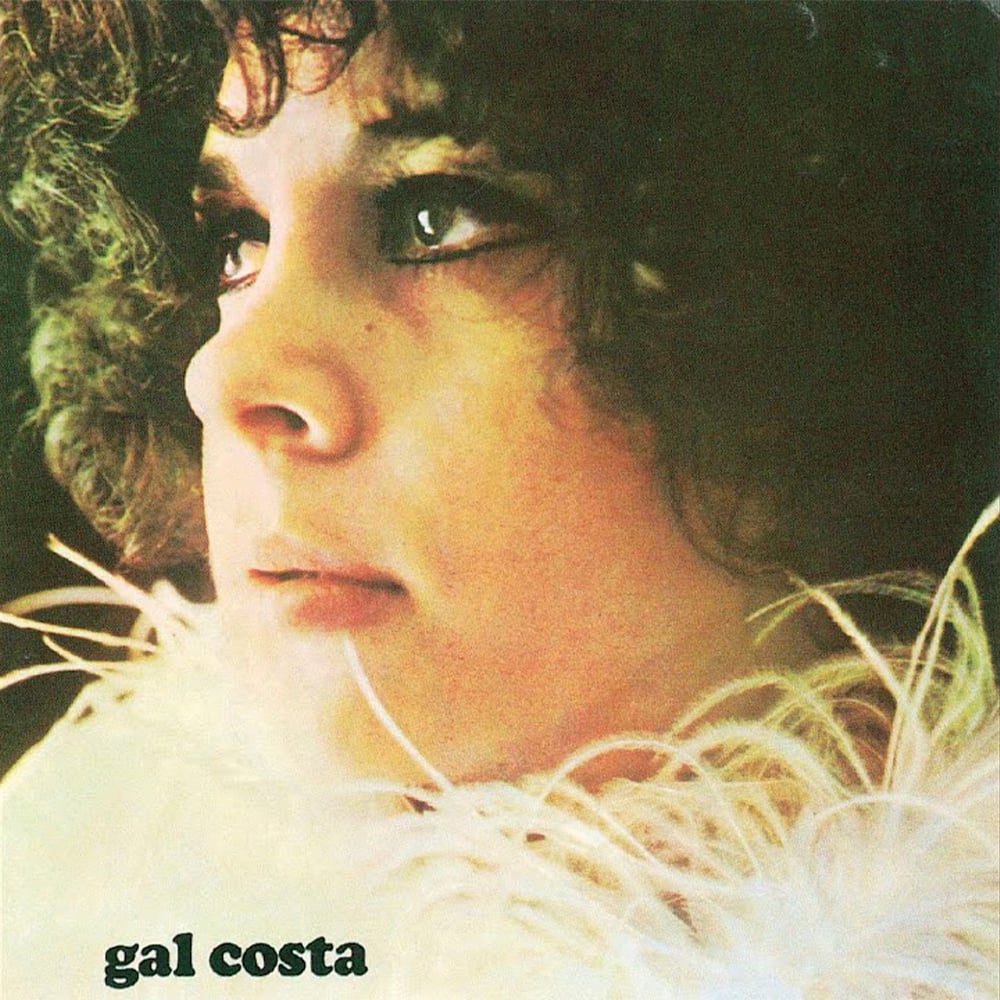
Back in ’69, Brazilian singer Gal Costa released ‘Não Identificado’ (‘Unidentified’), a dreamy bit of string-soaked Tropicália written by Caetano Veloso. Her voice is all sweetness with a ghostly edge, floating over soft melodies that quietly carry the weight of the movement’s radical politics and cultural shake-ups. It sounds simple enough on first listen, but there’s a real emotional heft to it – the kind that cuts through, even if you’ve not got a clue what the lyrics are saying.
It’s miles away from the rough edges of punk or garage rock, sure, but that emotional honesty still sits at the centre – which slots it neatly into Powers’ usual territory.
Andre Williams – ‘Pass the Biscuits Please’ (1957)
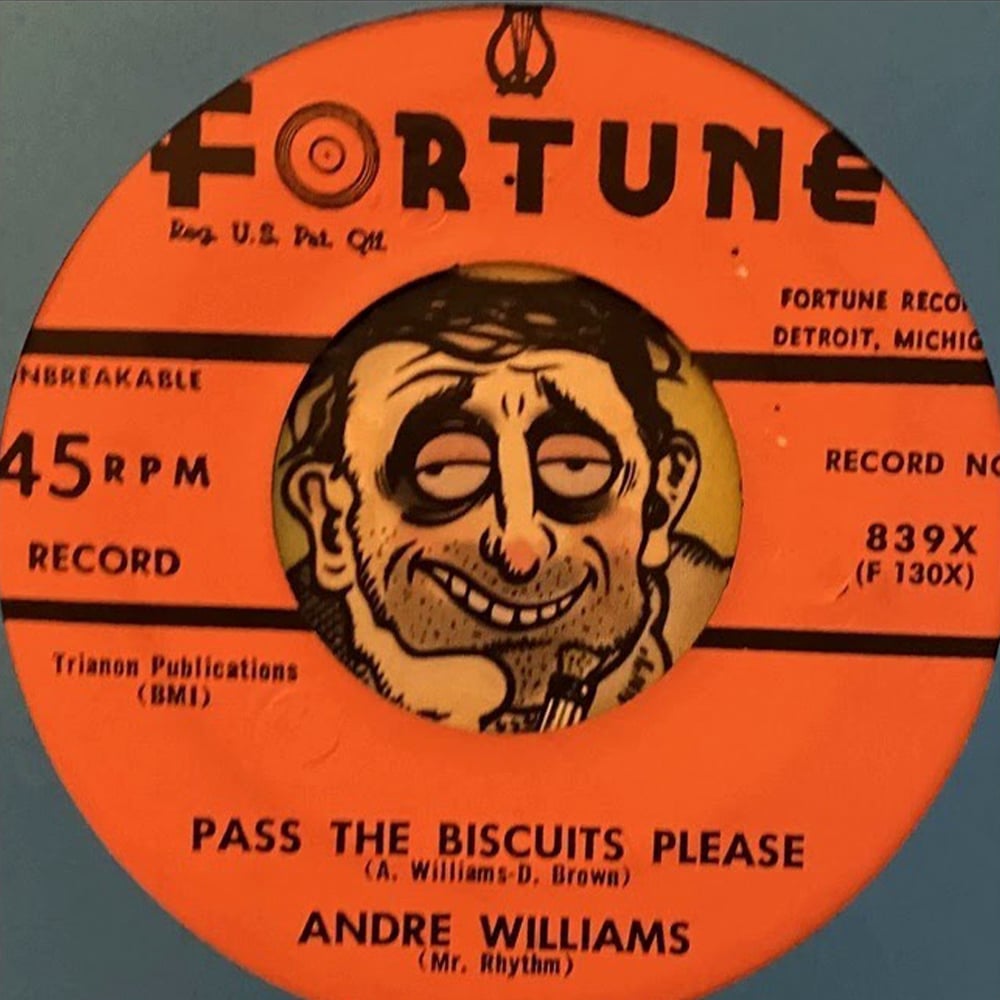
Andre Williams, sometimes dubbed ‘Mr Rhythm’, was a Detroit singer and songwriter who played around with the lines between R&B, funk and novelty soul. His 1957 single ‘Pass the Biscuits Please’ is a daft, swaggering number that helped build his reputation as a bit of a musical wildcard. His voice is sly and scrappy, not exactly polished, but full of charm and playful energy.
Again, Williams sort of embodies the type of “outsider cool” that a misfit like Kid Congo would have been drawn to; that reckless confidence and IDGAF energy of a Motown maverick.
Thee Midniters – ‘Thee Midnite Feeling’ (1966)
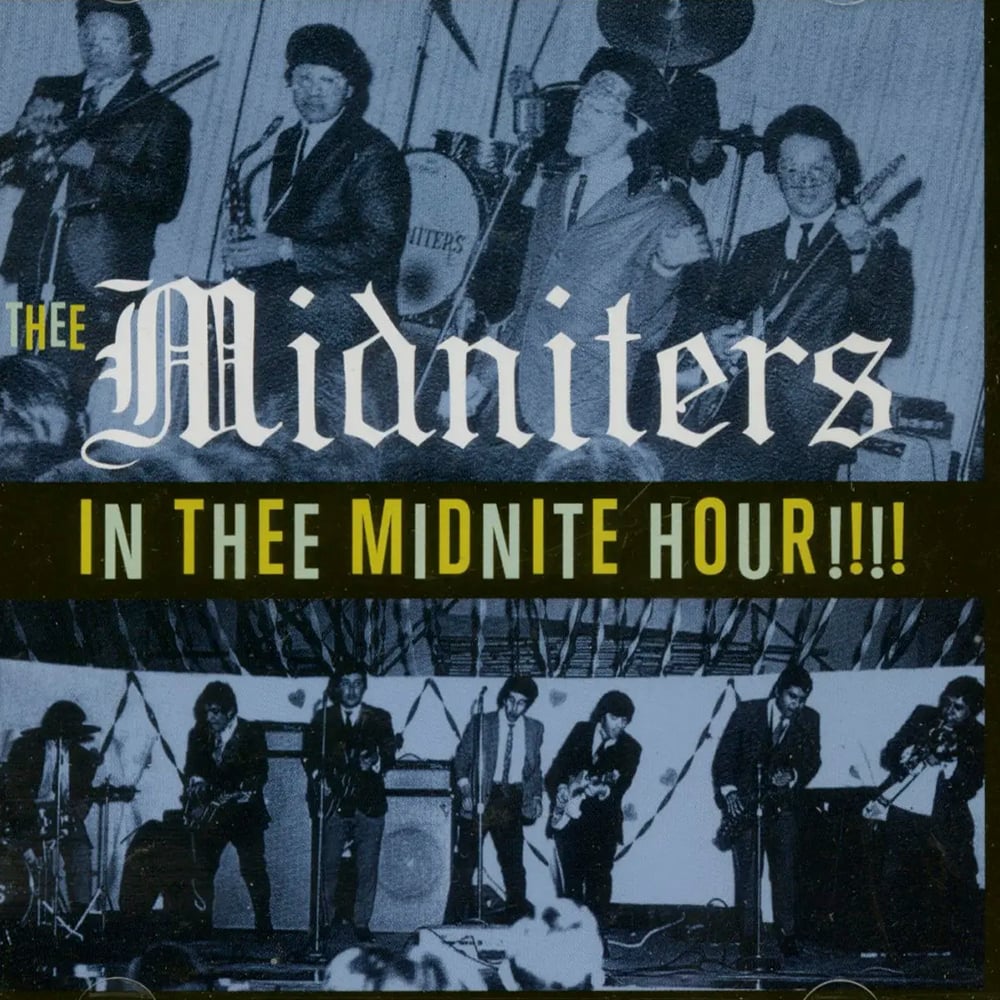
Thee Midniters were Chicano rock pioneers out of East Los Angeles, active through the 1960s and hugely influential across the city’s Latino music scene. Blending surf rock, R&B and a bold, brassy horn section, they gave a voice to a community the mainstream usually chose to ignore. ‘Thee Midnite Feeling’ was a wordless B-side from 1966, tucked behind the single ‘It’ll Never Be Over for Me’, but it still shows off the band’s gift for mixing smooth vocal harmonies with a raw, street-level energy that hits just as hard today.
For Powers, a Chicano raised not far from the band’s old stomping ground, this was the sort of music that changed everything. He’d go on pointing to Thee Midniters as a major influence for years to come.
Pere Ubu – ‘The Modern Dance’ (1978)
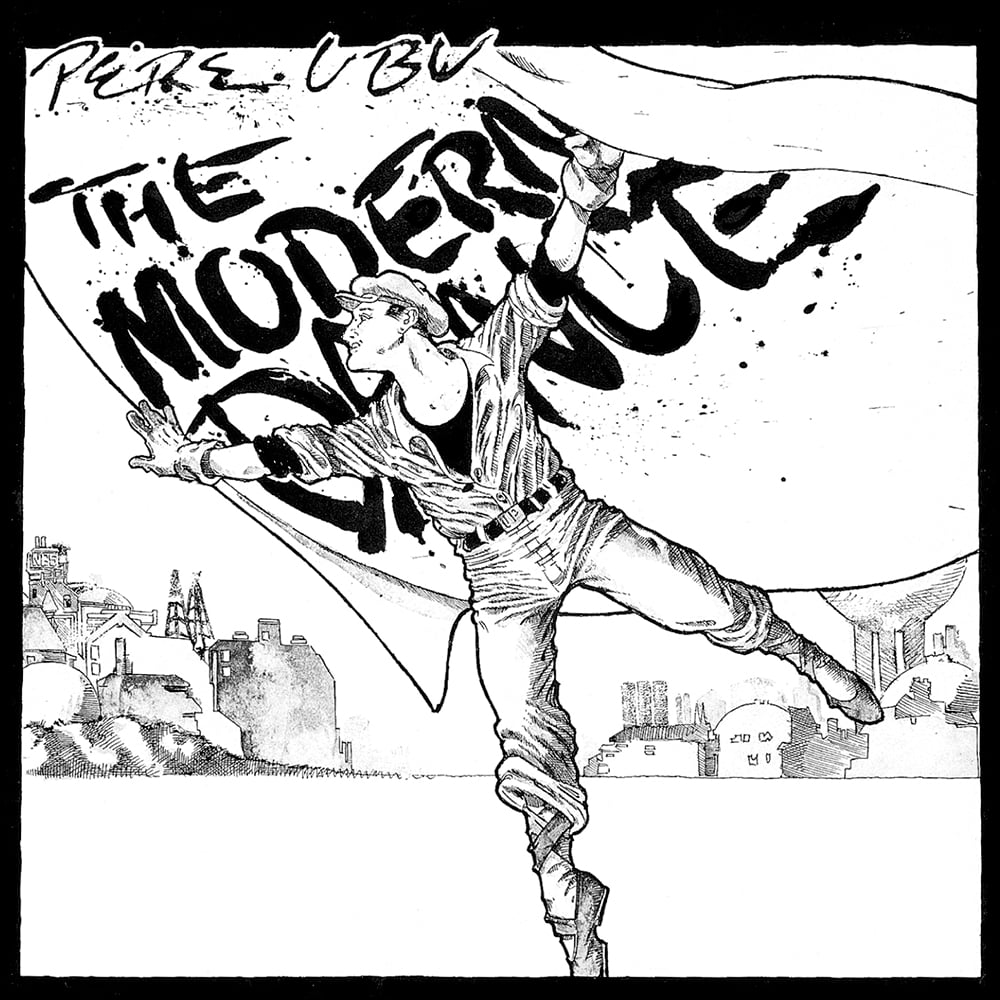
Cleveland’s Pere Ubu were easily one of the weirdest and most uncompromising acts to come out of the US punk, post-punk and art-rock scene in the late ’70s. Their debut single, ‘Modern Dance’, is jittery and off-kilter – a proper statement of intent that marked them out straight away as champions of the avant garde. With its clattering drums, sharp-edged guitar jabs and David Thomas’s brilliantly oddball warble, the track dodges polish completely and leans hard into raw personality.
It’s easy to see why Powers would admire Pere Ubu’s eccentricity. Like his own bands, Ubu thrived by rejecting traditional notions of rock and roll coolness, accidentally redefining the concept in the process.
