


Kelly Reichardt – ‘The Mastermind’ movie review: an anti-heist flick

Versatile indie director Kelly Reichardt is inclined to make projects that are character-driven and not action-packed by typical movie standards.
Whether the plot is simple or intricate, the storyline in a Reichardt film is primarily a way to reveal the characters’ inner selves, their relationships and conflicts, or the changes they are experiencing. That is particularly true of her latest work, slow-paced comedy/drama The Mastermind. Outwardly, the tale of a robbery and the aftermath, it is definitely not a heist movie, certainly not one involving clever, intricate planning – the title is meant sarcastically. The real subject is the character planning the crime, and the uncomfortable, life-changing pilgrimage he experiences as a result.
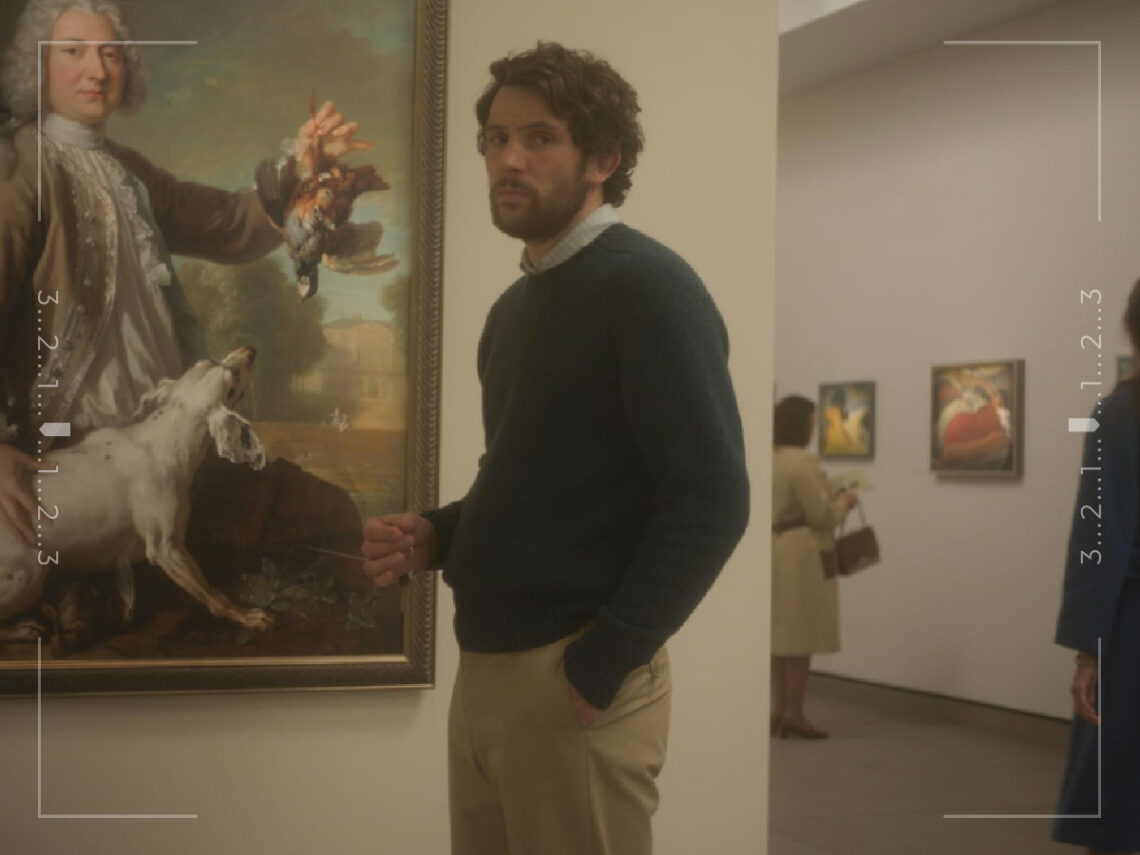
The film is set in 1970s America, and uses not only the physical details of the time and place, and the era’s music as background, and even replicates the same cinematic style and overall look of movies from that year – appropriately, since events and popular controversies of the time are part of the story. Josh O’Connor plays James Mooney, a man whose comfortable upbringing has left him with a vague sense of entitlement and a confidence unwarranted by his abilities.
His in-laws consider him a failure, and even his supportive wife (Alana Haim) is losing patience with his chronic unemployment. James characteristically takes the least sensible approach to solving his problems: plotting and carrying out, along with several accomplices, a bold daylight robbery of a local art museum.
The process of staking out the museum and working out the details of the robbery is presented as light comedy. The plans are full of holes, and the execution of the theft is ridiculous, almost to the point of slapstick; it has a chance of success only because the museum’s security system is even worse. Once the theft is completed, things get more complicated and take a serious turn. The situation spirals out of control, and James becomes a fugitive, thrown unprepared into the shifting world of 1970 America, with nothing but his own limited wits to rely on. The slow, meandering plot follows James through his confused and erratic search for refuge.
Reichardt took considerable trouble to establish the atmosphere of the early 1970s, where, she commented in an interview, “There is a lot going on. The Weather Underground is kicking it off, the Vietnam War is moving into Cambodia, there is a shooting at Kent State. It’s a volatile time.”
The director felt it was an ideal time to set the movie, as the hopeful attitude of the 1960s had ended in disappointment (as The Big Chill so eloquently expressed it), and it is uncertain where the country will go from there, serving as a decent metaphor for James’ present course. All this, while made clear and interesting to the audience, is barely noticed background noise to James; serious things are going on, but he is as oblivious as he has been to important things in his own life.
The director, also the film editor on this production, collaborated with cinematographer Christopher Blauvet, who worked with her on four previous projects. Together, they gave the movie a striking look, ranging from slightly cartoonish to oppressively bleak as befits the action taking place. Reichardt has noted that she intended a subtle use of colour to set a particular mood in each scene, barely noticeable but effective in creating a mood.
Josh O’Connor is perfect in the lead role; unsurprisingly, Kelly Reichardt had always hoped to cast O’Connor in the lead, from the time she began working on the script. He expresses very well the attitude of someone used to depending on charm and the support of others to get by, and the slowly dawning dismay when he finds he lacks the resources to cope with the unexpected consequences of his actions. O’Connor shows the character’s charisma as he talks people into helping him or taking risks for him; the less likeable, self-absorbed side, which expects help without obligation; and the bare remains of his personality when all is lost, including his sense of self.
James’ journey through the levels of American society, and his encounters with the political and social movements of the time, make for a unique personal drama in spite of the main character’s obliviousness. Secondary characters represent ways of life James was unfamiliar with, as well as ways of thinking and interacting different from James’s limited scope. The final act leads to a dramatic and surprising conclusion in which James is swept up in the zeitgeist in spite of himself, bringing his adventure to an ironic but perhaps appropriate end.
