


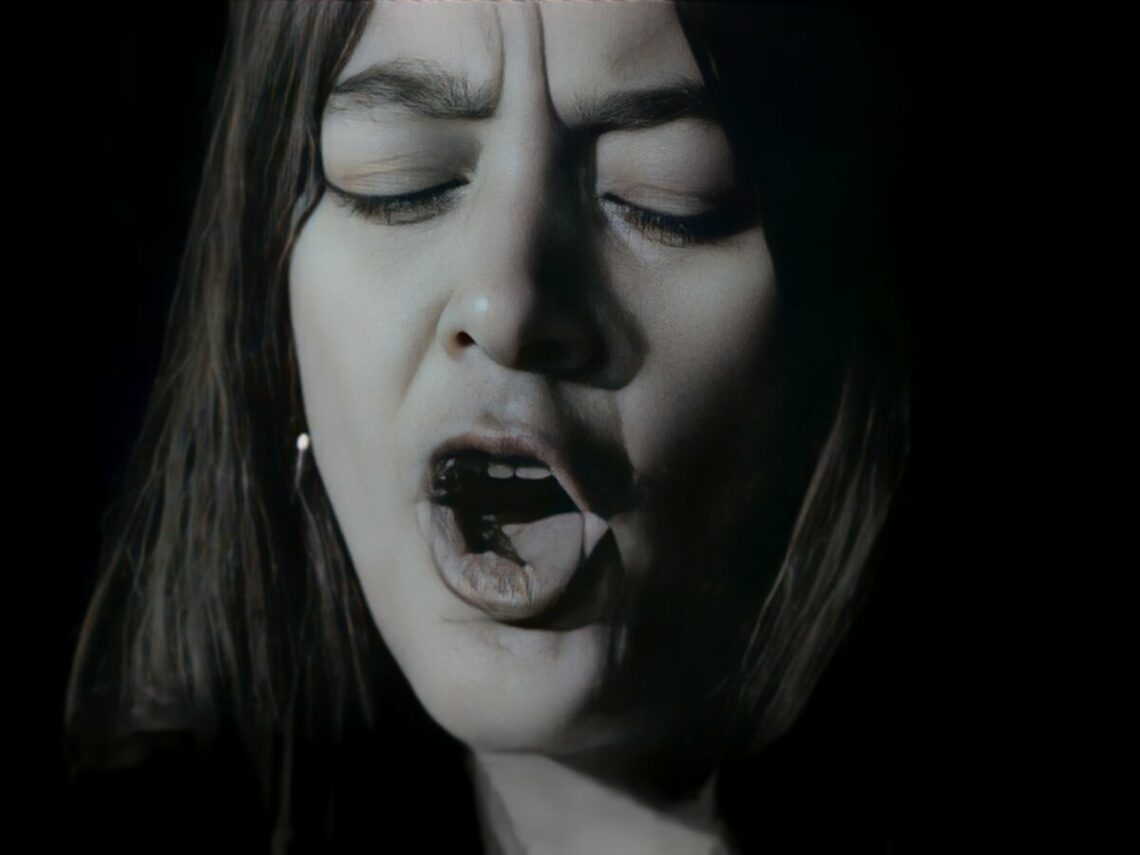
Karen Dalton’s final hidden recordings

Karen Dalton may not be a name that you’re most familiar with, but if, by chance, you have revelled in the American folk rock scene at any point in the last half a century or even longer, the odds are that she has probably influenced your favourite artist in some shape or form. Between Bob Dylan and Nick Cave, her sonic sorcery was palpable in almost every inch of the scene – both in life and in death.
Admittedly, such effusive praise doesn’t seem to match someone who has never managed to capitalise on the mainstream – or even much of the underground – success of her contemporaries. But having pounded the New York Greenwich Village streets together for some time, Dylan went as far as to say she was his favourite singer from the scene and later commented that: “Karen had a voice like Billie Holiday’s and played the guitar like Jimmy Reed and went all the way with it.”
With that scale of illustrious stardom likely set in Dalton’s sights when she first arrived in the city from her native Oklahoma, the following years consisted of many trials and tribulations in attempting to define her own sound. Subsequently, her lack of huge appeal is perhaps rooted in the fact that Dalton angrily dismissed anyone who dared to polish her work, making her the bane of an industry already geared so far away from what she was presenting.
As a result, her only two albums – It’s So Hard to Tell Who’s Going to Love You the Best and In My Own Time, originally released in 1969 and 1971, respectively – unfortunately barely made a dent in the industry at all. Coupled with this, Dalton was no prolific performer, characterised by her shy and reluctant style that meant she rarely took to the stage. All of this paints a picture of a starlet who clearly made a seismic emotional impact on those who would climb the sonic ranks to a much higher level but who risks fading from view all too quickly herself.
But following her tragic death in 1993 from an AIDS-related illness, Dalton’s catalogue was acquired by the French record company Megaphone, who set about re-releasing her albums before then going on to produce an album of rough demos she had played for her own pleasure.
That new 2000s release, Recording is the Trip, featured strikingly simple but gorgeously mournful tunes like ‘In the Evening’, making it instantly clear that Dalton was her own artist and would not compromise on that vision for anyone—and quite rightly, too. Imagine the musicianship of Joan Baez offset by the distinctive vocal intonation of Amy Winehouse. This goes some way in uncovering Dalton, but it still doesn’t encompass the full breadth of what an unsung master she truly was.
In many ways, the only way to describe Karen Dalton is as the best artist you’ve never heard of. It’s a travesty in some respects, yet her hidden-gem persona only adds to the charm—the sense that she probably wouldn’t have wanted it any other way. She may have drifted from New York to nowhere, but she was never a nobody.
