


Jonas Mekas and the beauty of autobiographical avant-garde cinema

The cinematic medium has been used to record and recreate the lives of real people, whether historical icons or contemporary figures, since its conception. While half-assed biopics have become a steady source of income for studio executives, the autobiographical realm within the landscape of cinema has always been rarer and more special.
Many great films, like Spike Lee’s Malcolm X, have been based on autobiographies. However, a movie is only truly autobiographical when the person behind the camera is revealing parts of themselves for their audiences. From Andrei Tarkovsky’s haunting death-rattle in Mirror to Chantal Akerman’s achingly beautiful News from Home, these masterpieces don’t just provide insight into the artists’ work but lead us to the depths of their souls.
One filmmaker who never shied away from using his projects to discuss his joy, sadness and everything in between was the pioneering visionary Jonas Mekas. Among the most prominent figures of American experimental circles, Mekas didn’t just pave the way for future avant-garde artists but also played a huge role in influencing the artistic identities of more renowned cinematic practitioners such as Martin Scorsese.
It’s easy to dismiss some of the experimental works that emerged during Mekas’ period as intentionally obscure. However, his incorporation of avant-garde visual languages to explore the personal always proved to be a unique experience. In fact, Mekas could not have created that kind of autobiographical cinema in any other way. It required a new kind of image vocabulary to articulate the depth and profundity of his meditations on his own life and, by extension, ours.
In I Seem to Live, Mekas wrote about the central force supporting his projects: “There are places and moments during which I feel that I would like to always remain there. But no: next moment, I am gone. I seem to enjoy only brief glimpses of intimacy, happiness. Short concentrated glimpses. I do not believe that they could be extended, prolonged.”
Delving into the reasons that resulted in his artistic pursuits, he added: “So I keep moving ahead, looking ahead for other moments. Is it in my nature, or did the war do that to me? The question is: was I born a Displaced Person, or did the war make me into one? Displacement, as a way of living and thinking and feeling. Never home. Always on the move.”
This sense of displacement and movement is easily observable throughout his vast body of work, especially in enigmatic gems such as Song of Avignon, where notes from his personal diaries are paired with images of his life. The poetic misery of the words combines in an unusual way with the fleeting images that are simultaneously preserved and lost, letting us use the avant-garde to access an experience that traditional narratives can never articulate. Others, like Diaries, Notes, and Sketches, use Mekas’ personal observations to construct a sociocultural portrait that is more comprehensive and intimate than the standard historical records of scholars and documentarians.
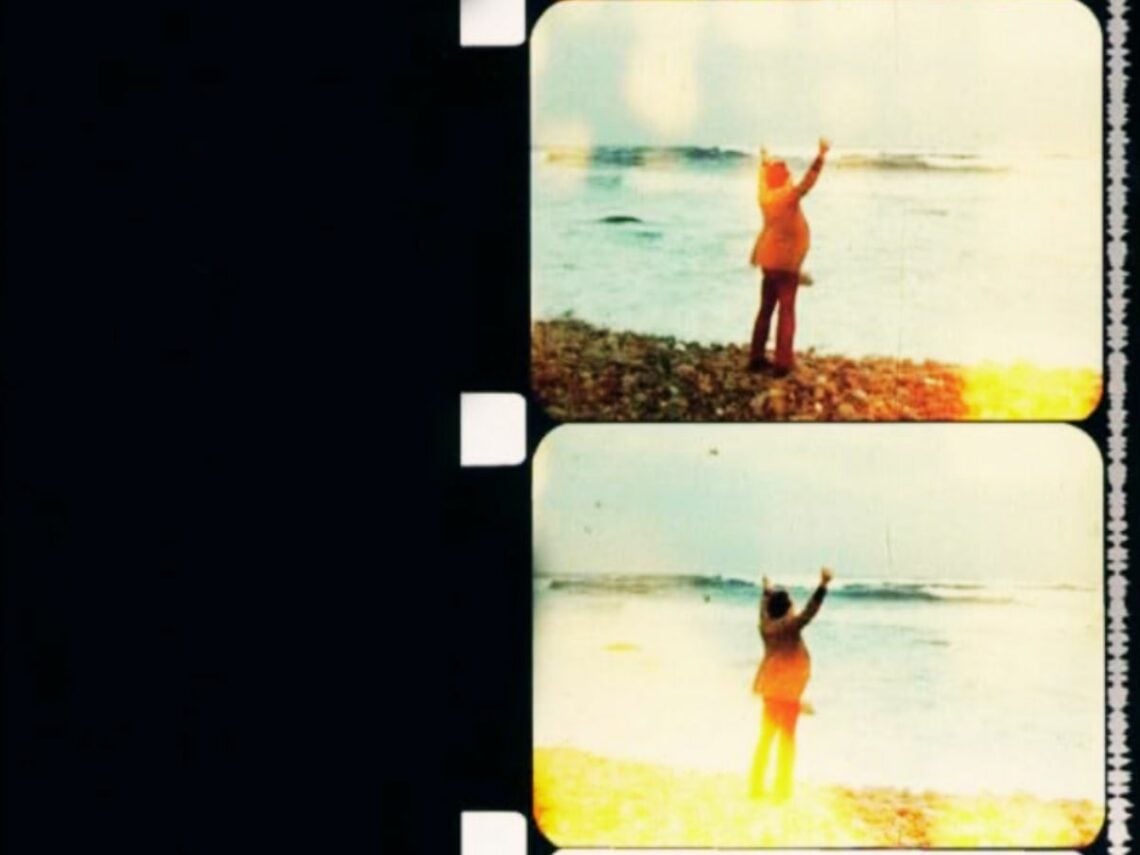
The culmination of Mekas’ style will always be the mesmerising As I Was Moving Ahead Occasionally I Saw Brief Glimpses of Beauty, using home movies that were shot over the course of multiple decades to lead an investigation into the moments that accumulated to shape him and his view of the world. It’s a record of everything and nothing at the same time, where we do away with the familiarity of conventional narrative structures to immerse ourselves completely into the images and sounds.
It’s cinema at its purest.
