


‘Song of Avignon’: Jonas Mekas’ haunting confessional

Fondly referred to as “the godfather of American avant-garde cinema”, Jonas Mekas passed away in 2019, but he will live on forever through his unparalleled work. Consisting of dizzyingly glorious masterpieces like As I Was Moving Ahead Occasionally I Saw Brief Glimpses of Beauty, Mekas’ oeuvre has touched cinephiles all over the world. More than anything else, his films always demonstrate that there are infinitely different ways to look at the strange world we inhabit.
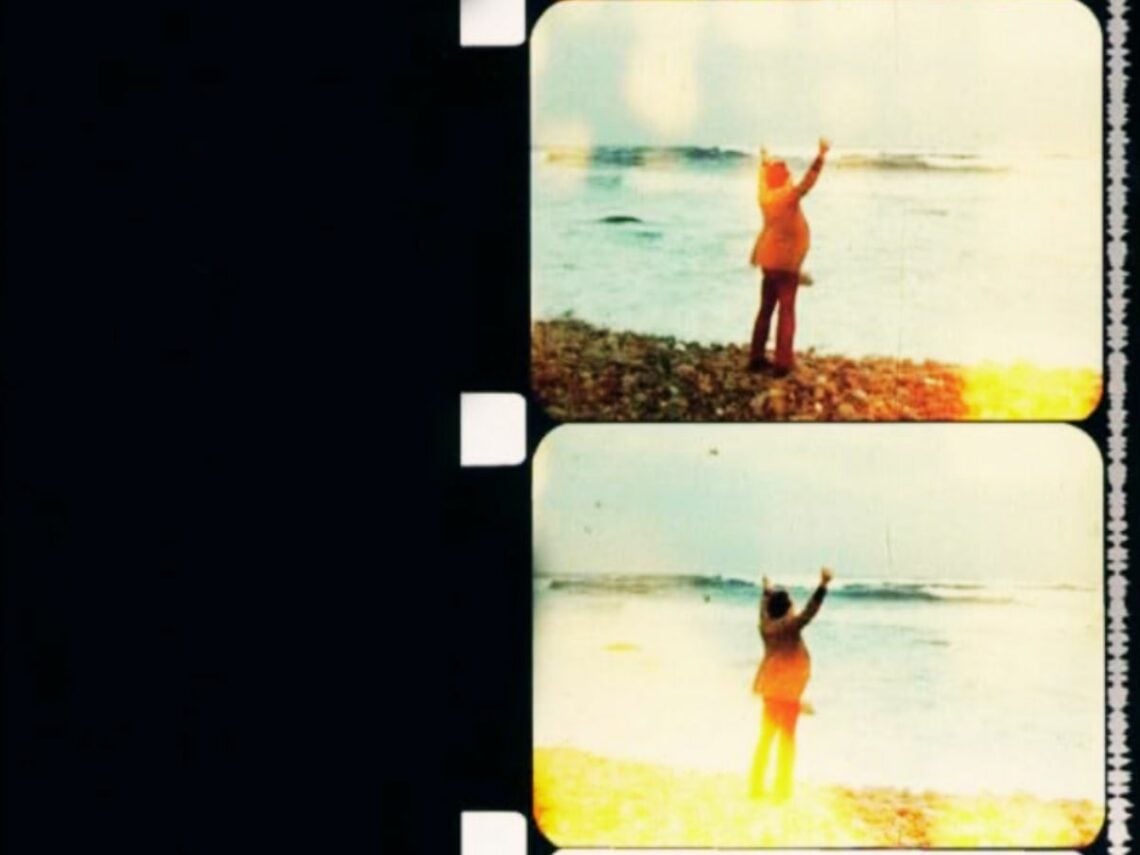
While Mekas often explored the tricky domain of the autobiographical in many of his works, one of the most devastating examples is his 1998 film Song of Avignon. It’s a cinematic meditation on Mekas’ trip to Avignon in 1966, which came at a time when he was suffering through a severe existential crisis, unable to deal with the complex emotions evoked by ageing, loneliness, and the general despair of being unable to locate a sense of belonging.
Angus MacLise reads excerpts from Mekas’ diaries: “Today, I realised that I’m 40 and that an immense emptiness surrounds me and my soul. I have come to this, it is here that my life has led me to. I am in a thick darkness; often I feel I am sinking. I reach for air, and I feel today that the only way out, my only hope, is to submerge perhaps into this blackness completely, like into a coma, not to run away from it, not to stare into it, but to embrace it and thus go beyond it with or without perhaps.”
Song of Avignon captures the darkness of depression like few other films, translating the overwhelming paralysis to the visual medium. Featuring fleeting glimpses of people and places strung together with a poetic rhythm, the visions embedded within Song of Avignon are tinged with the melancholy that Mekas was struggling to process. It almost functions like a haunting death rattle, coming across as the confessional of a man on the precipice of suicide.
Mekas’ diary entries articulate the contours of depression in an incredibly direct way: “My heart is poisoned, my brain left in shreds of horror and sadness. I never let you down, world, but you did lousy things to me. This feeling of going nowhere, of being stuck, the feeling of Dante’s first strophe, as if afraid of the next step, next stage. As long as I don’t sum up myself, stay on the surface, I don’t have to move forward, I don’t have to make painful and terrible decisions, choices, where to go and how. Because deeper, there are terrible decisions to make, terrible steps to take.”
It’s easy to hide behind the aesthetic structures of indirect symbolism, which is why Mekas’ lonely words are so revelatory. Song of Avignon is a special film because it manages to talk to our sadness instead of trying to manipulate it, showing us that cinema makes it possible for us to connect with something despite our fundamentally isolated forms of existence. It’s a film that will make you reach for a drink, leaving you wondering where it all went wrong.
Watch the film below.
