


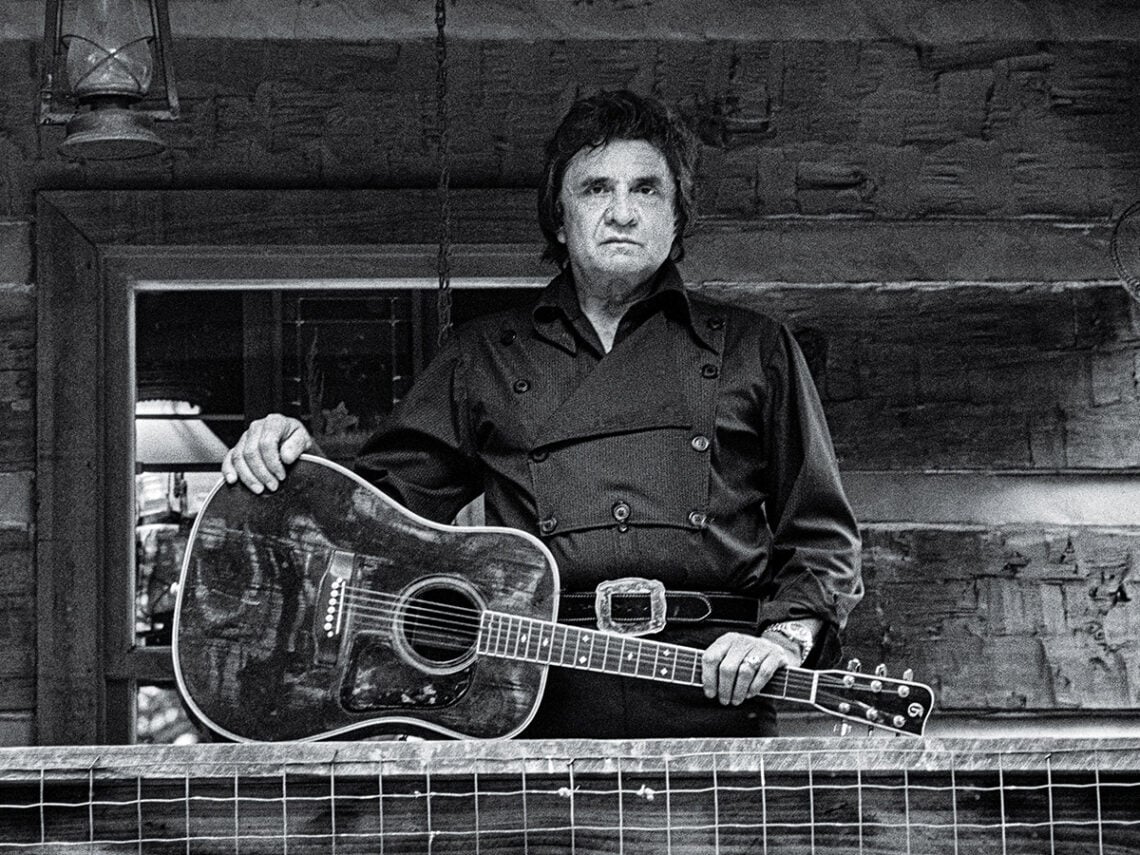
Johnny Cash becomes first musician with a statue at US Capitol

A statue of ‘the Man in Black,’ Johnny Cash, has been unveiled in the U.S. Capitol in Washington, D.C. The bronze statue stands next to prominent politicians, activists, and figures of great historical significance to American society. Cash is the first musician to be honoured by the statues in the National Statuary Hall Collection at the Capitol.
On September 24th, the statue of the late singer-songwriter was unveiled at the capitol during a ceremony attended by local politicians, congressional leaders, and members of the Cash family. Speeches were given by various figures, with a particular emphasis on Cash’s childhood on an Arkansas cotton farm, as well as his incredible music career, which gave a voice to thousands of people across all walks of life in the United States.
House Speaker Mike Johnson gave an impassioned speech at the ceremony, answering the question, “Why should a musician have a statue here in the halls of the great American republic?” with the definitive answer, “It’s because America is about more than laws and politics.” Something that Cash always tried to reflect within his music.
Cash had always maintained a patriotic streak, and his daughter, Rosanne Cash, described the statue at the Capitol “as the ultimate” honour for her father at the ceremony. Meanwhile, Republican politician and Governor of Arkansas, Sarah Huckabee Sanders, gave a speech at the unveiling, calling Cash a “hymn-singing Christian.”
His new home at the Capitol Visitors Center is not the first time Cash had a brush with Washington. Back in 1970, Cash was invited to the White House to perform for President Richard Nixon. At a particularly divided time within American society, Cash’s decision to attend was controversial, but he stayed true to himself by refusing to play Nixon’s requested songs, opting instead for ‘What Is Truth?’, a masterpiece of social commentary which perfectly captured the spirit of 1960s counterculture.
The National Statuary Hall Collection includes two statues from each state in the US, with the aim to reflect the values and history of each state. Johnny Cash was selected by his home state of Arizona, along with a statue of civil rights activist Daisy Bates, one of the leading figures within the integration crisis in Little Rock, Arkansas, back in the 1950s.
These new statues replaced works depicting 19th-century lawyer and Confederate sympathiser Uriah Rose, and James Paul Clarke, a lawyer and Democratic senator from the early part of the 20th century.

Never Miss A Beat
The Far Out Music Newsletter
All the latest music news from the independent voice of culture.
Straight to your inbox.