


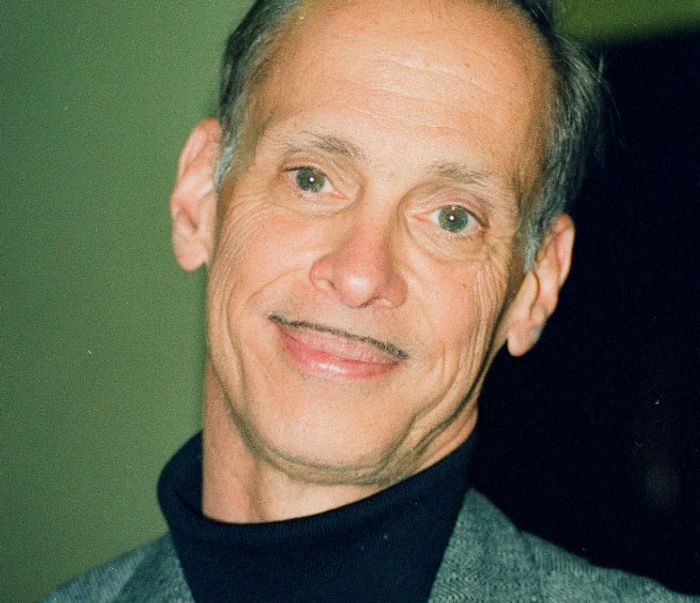
The movie John Waters called “a hetero film for gay people to marvel at”

In 1964, Susan Sontag wrote an essay entitled ‘Notes on Camp’ which defined camp as “not a natural mode of sensibility, if there be any such. Indeed, the essence of Camp is its love of the unnatural: of artifice and exaggeration.” Since Sontag published her ideas, people have categorised many movies as fitting into the camp cinematic canon, particularly the work of John Waters.
Waters has been making films since the late 1960s that revel in all things considered ‘bad taste’ and overdramatic, allowing his characters to act as outrageously as possible. From the rosary-bead anal sex in Multiple Maniacs to the shit-eating scene in Pink Flamingos, Waters’ films feature their fair share of stomach-turning moments.
The director has never shied away from shocking his audience, and the more over-the-top, the better. Using a cast of regular actors, known as his Dreamlanders, Waters’ movies are defined by their unpolished aesthetic – rarely using professionally trained actors until later in his career. However, this gives Waters’ movies a level of charm that has led to his cult status, cementing him as a camp icon.
If there’s anyone who’s an expert in camp cinema history, it’s Waters. His films have been inspired by a dedicated and expansive knowledge of movies that are considered both accidental and purposeful camp. The director is a big fan of the sexploitation genre, which is often labelled as camp due to its penchant for unapologetically in-your-face sexiness, often veering on the point of parody. For Waters, movies by filmmakers like Russ Meyer, such as Faster Pussycat! Kill! Kill!, are sheer cinematic delights, greatly influencing his own approach to filmmaking.
Another sexploitation movie that Waters has lauded in the past is Fuego by Armando Bó, starring the Argentine actor and sex symbol Isabel Sarli. The movie features Sarli as Laura, a nymphomaniac who sleeps with men and women, desperate for a sexual fix at all times. Fuego features a lot of nudity before the narrative develops into bizarre high-camp territory. Made in 1969, it was one of the first Argentinian movies to show lesbianism, and its frank depiction of female sexuality was quite revolutionary.
Waters took significant inspiration from the movies made by Bó and Sarli, the filmmaker’s frequent collaborator and lover. Calling the movie “a hetero film for gay people to marvel at,” Waters selected Fuego as his favourite of Sarli’s work, eventually meeting her in 2018. It is clear to see why Waters loves the movie so much – it is outrageous and provocative, unashamedly presenting audiences with an incredible amount of material to gawp at.
Watch Waters introduce Fuego below.
