


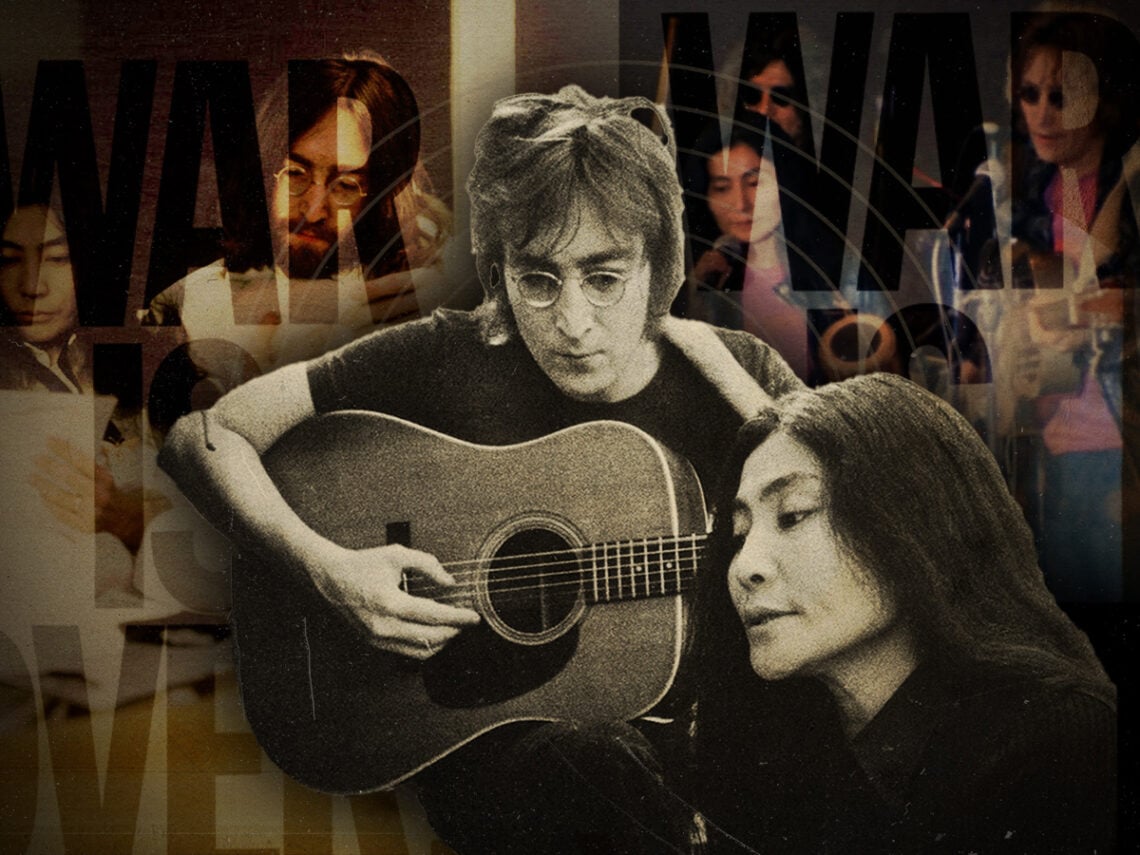
John Lennon and Yoko Ono’s five most memorable protests

There were many factors that led to The Beatles splitting up by the end of the 1960s, but one of the primary reasons was John Lennon‘s growing activism.
By ‘69, he cut a very different figure from the one that had emerged onto the scene in ‘63. He was a far cry from the poster boy of pop-rock, with an innocently trimmed mop top and a smile custom fit to win over young fans and their conservative parents. Once he got a peek behind the curtain of fame, he got to see the global corruption close at hand and quickly became disillusioned by everything it had to offer.
So The Beatles simply couldn’t have carried on, innocently releasing experimental rock albums that turned a blind eye to the real world; Lennon had to be in it. More specifically, he had to be in it with his partner in life, creativity and activism: Yoko Ono.
Together, the pair waved goodbye to the pop stardom of The Beatles and embraced their role of philanthropic leaders. It was a decade that needed it, though. Music may have been more exciting than it ever had been, but rather predictably, that was because of the sheer political tension that spread across the globe.
Public mistrust was at an all-time high, with America’s bloody war in Vietnam pointlessly rolling on, and the Watergate Scandal devaluing all of the democratic values of this supposedly leading country. Meanwhile, the UK saw sweeping political and economic exhaustion set in, resulting in the Winter of Discontent. Very little was working from a socio-political standpoint, and so Lennon and Ono thought nothing else remained but putting their activism first, in a very bold way.
Five of the most memorable John and Yoko protests
Amsterdam bed-in (1969)
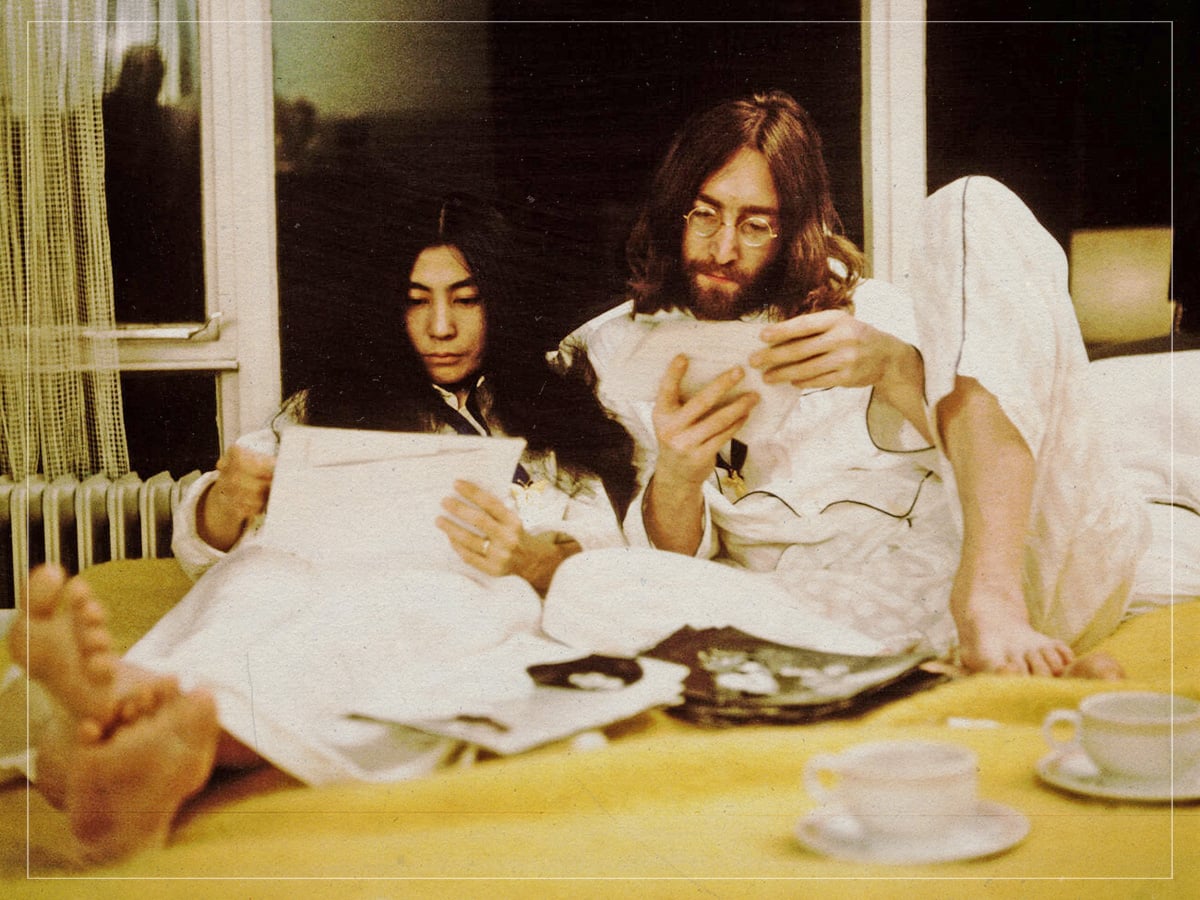
This was the very first of the Lennon Oko bed-ins and became the symbol for their joint activism. Right after their marriage on March 25th, 1969, Lennon spent a week with his new wife, Yoko Ono, holding their famous non-violent protest and performance art event in Room 902 of the Amsterdam Hilton Hotel.
It was designed to prove that non-violence is, in fact, the answer, derived from a sit-in, which usually sees protestors remain seated in front of whatever establishment it is they are rebelling against. But the power of Lennon’s cultural fame tainted his activism at this point, and he grew frustrated because the media refused to take their message seriously and saw it as more of a circus.
‘War Is Over!’ (1969)
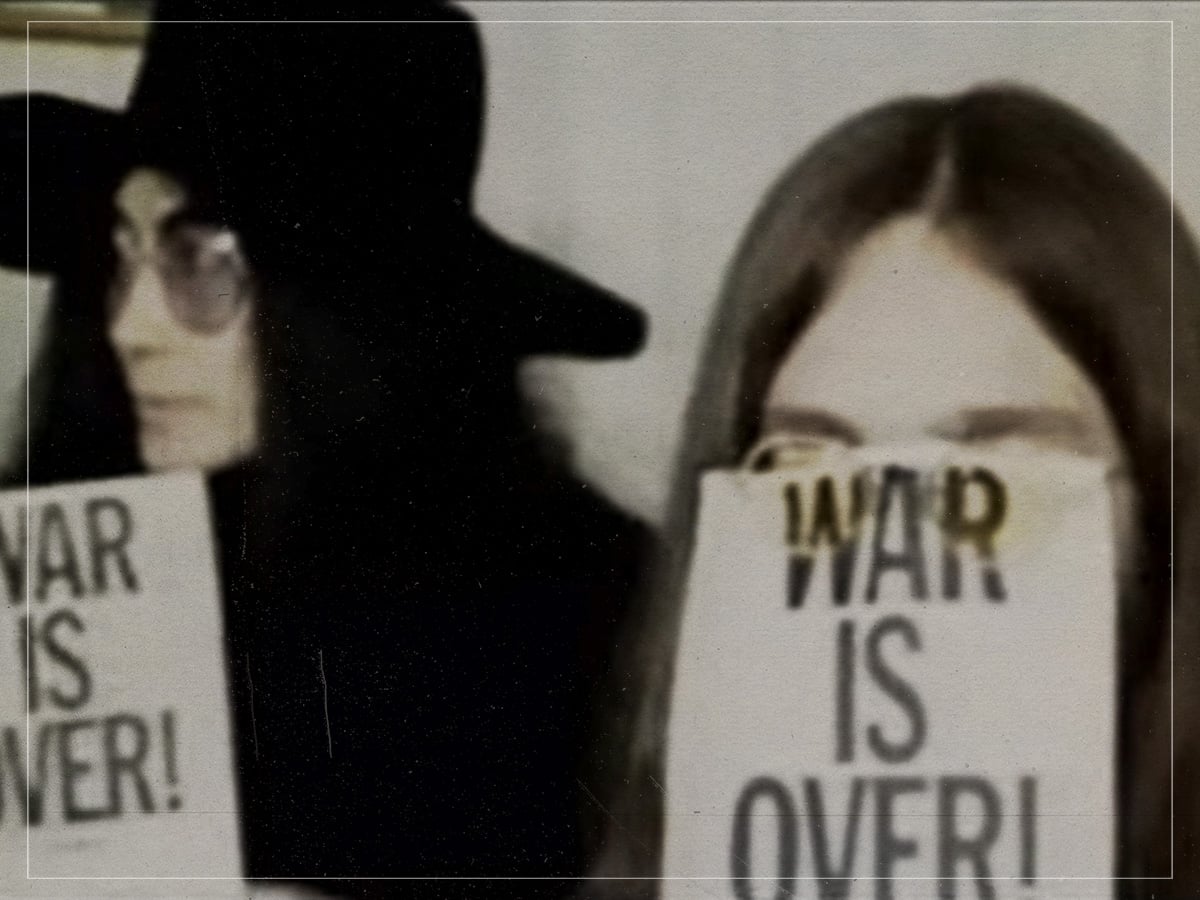
After the frustration of the first bed-in, Lennon and Ono realised that maybe his artistry is the very best thing he could utilise. His words and music had been so embedded into the cultural consciousness for years prior that it really didn’t have to change just because the message was different.
It was at that moment that the couple launched a massive global poster and billboard protest declaring ‘War Is Over! (If You Want It)’ which remains the primary anti-war slogan of the modern era. For better or worse, they had branded their activism and managed to get the message on billboards across the country, including Times Square, delivering a line for everything to centre around.
John Sinclair Freedom Rally (1971)
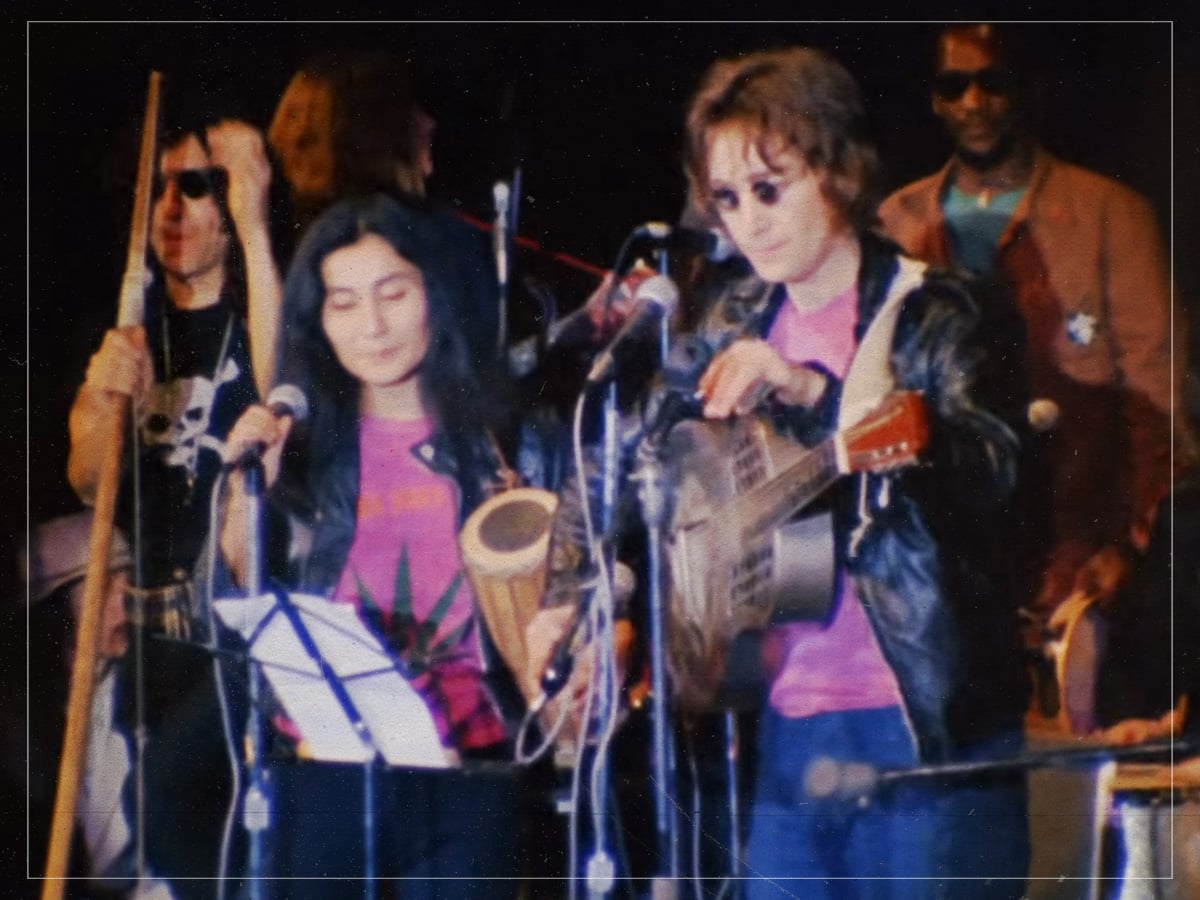
After pivoting to words with the ‘War Is Over! (If You Want It)’ movement, Lennon quickly realised that he couldn’t abandon art but embrace it in his resistance. The John Sinclair Freedom Rally was a shining example of that, as a massive eight-hour protest concert organised to free Sinclair, the poet and activist, from a ten-year prison sentence for possessing two marijuana cigarettes.
At the time of the concert, ‘71, Lennon was still the most famous musician in the world. Rather than shy away from that, he embraced it for one night and delivered a surprise performance with Yoko Ono, for the 15,000-strong protestors in attendance, delivering an original song in honour of Sinclair and thus beginning a decade of stellar protest songwriting.
Montreal bed-in (1969)
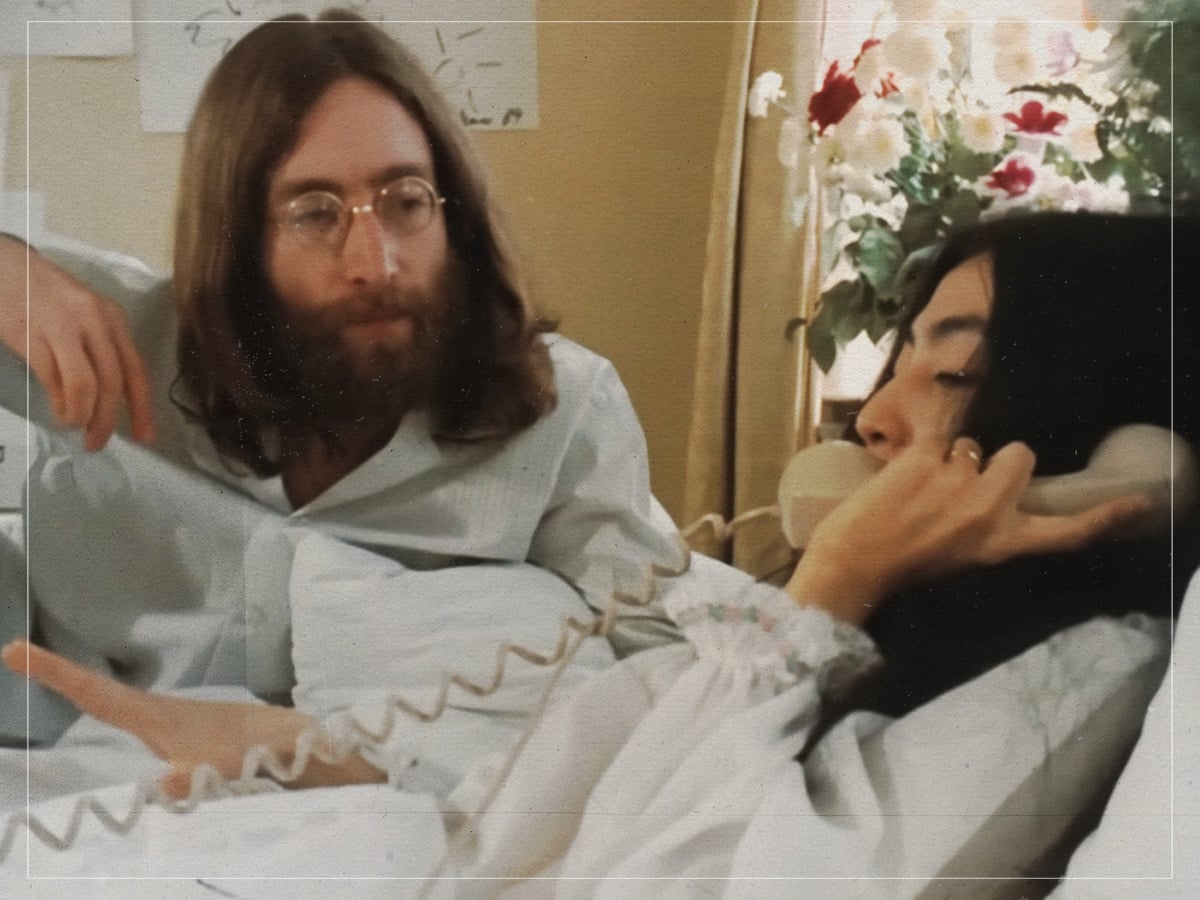
Here, the bed-in method finally came good. After growing frustrated with the reception of the Amsterdam incarnation in ‘69, Lennon had learned from his frustration to perfect the bed-in and make it a celebration of activism and art. Taking place just two months after Amsterdam, it was primarily different for its performance of music rather than a purely motionless protest.
It was here that Lennon and Ono famously recorded their anti-war anthem, ‘Give Peace a Chance’, with visiting guests from the entire art scene, including Petula Clark and Allen Ginsberg. And even though it’s not exactly sexy to say it, it was a much better organised event from a media point of view and offered the opportunity for the press to capture this truly seismic moment that Lennon and Ono hoped would have stronger revolutionary ripple effects.
Lennon returns his MBE (1969)

A truly massive deal for any British native, when Lennon returned his MBE in ‘69, just four years after receiving it, he proved that he wasn’t in it for optics. This was the real deal, and he was willing to turn his back on traditional values to ensure the future is bolder and brighter.
In his note to The Queen, he wrote, “Your Majesty, I am returning my MBE as a protest against Britain’s involvement in the Nigeria-Biafra thing, against our support of America in Vietnam and against ‘Cold Turkey’ slipping down the charts. With love. John Lennon of Bag.”
It was plain, simple and appropriately humorous for someone who was as silly as Lennon deep down. In stripping himself of the honour in true fashion, he didn’t feel far away from the charming young rocker who received it in ‘65 and instead, looked like an elder statesman doing his younger self proud.

Never Miss A Beat
The Far Out Beatles Newsletter
All the latest stories about The Beatles from the independent voice of culture.
Straight to your inbox.