


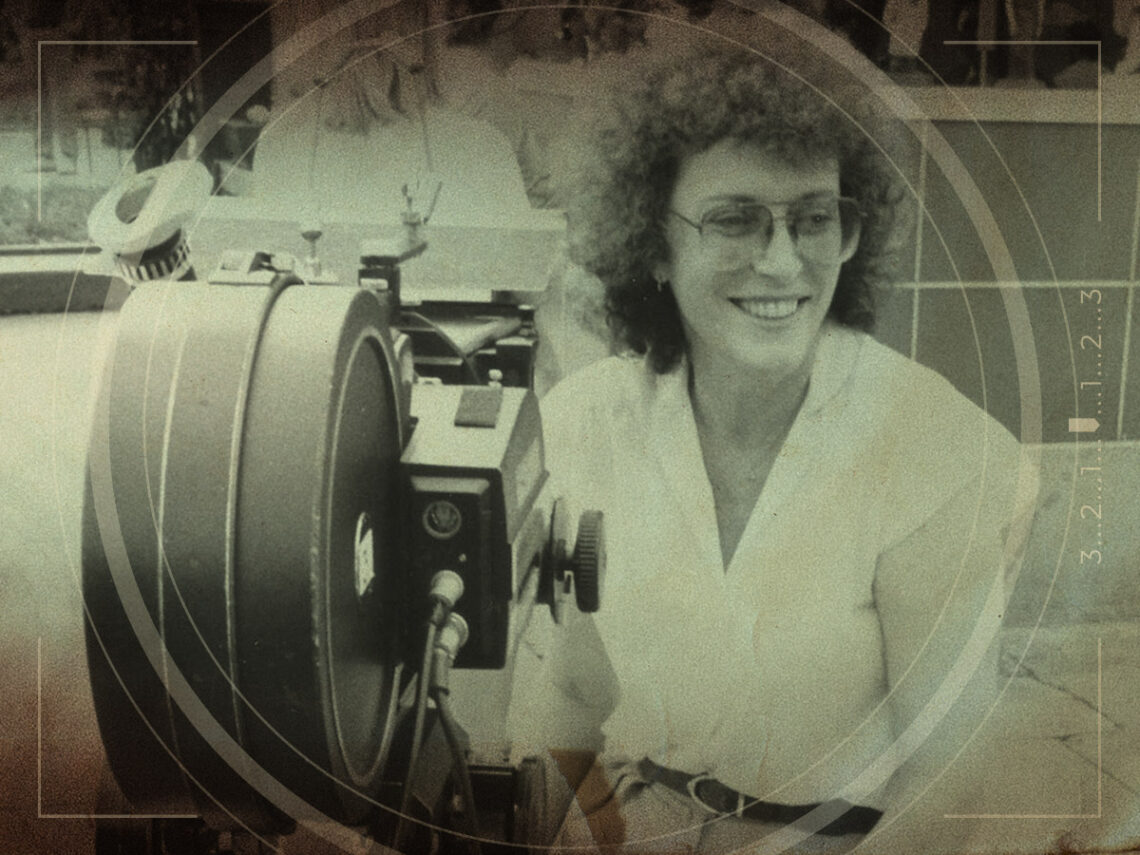
Joan Micklin Silver: independent cinema’s overlooked trailblazer

There have been many influential female directors who left their stamp on the independent filmmaking scene, with Claudia Weill, Chantal Akerman and Claire Denis pioneering a unique style that expanded the constraints of the medium by carving out a new space to explore subject matter relating to patriarchal oppression, female sexuality and power dynamics between men and women.
While films like Girlfriends, Jeanne Dielman and US Go Home spring to mind as some of the most definitive stories from this era, there is one director who had an equally revolutionary yet more thematically subtle body of work that captured a tumultuous period of history in which people were trapped between the values of the past and ideals of the future, creating a rich and emotionally complex portrait of a bygone decade.
Joan Micklin Silver emerged onto the cinematic landscape during the 1970s, showing a fascination with depicting the everyday dilemmas and quandaries of women, immigrants and marginalised people. After being born to Russian-Jewish immigrants, Silver’s heritage and family history are a common thread in her work, encapsulating a cultural movement in which the times were changing and people were grappling with their place in the world, whether it be within their immediate neighbourhood, workplace or family unit.
Each film is deeply bittersweet and nostalgic, shining a light on characters who are ‘at the end of an era’, confronting a shift in their life that forces them to reevaluate their ideas about success and the ideals they are expected to achieve. Whether it be the romantic dilemma of Isabelle Grossman in Crossing Delancey or the dramas that take place at a struggling independent newspaper in Between the Lines, there is a feeling of impermanence that runs throughout her work, creating friction as her characters wrestle with the promises and uncertainty of an increasingly modern world.
This is perhaps most evident in Between the Lines, which follows an underground newspaper called Back Bay Mainline that is under threat of being purchased by a corporate media giant, leading each staff member to speculate about their future and clash over the rapidly changing social climate and differing values. The film has a stellar ensemble cast, with early performances from actors who were at the beginning of their careers, such as Jeff Goldblum, John Heard and Gwen Welles.
There is an overwhelming feeling of being at the end of an era and that bittersweet feeling that everything before us was always better, with charming and hilarious performances from the ensemble as they argue over their artistic integrity and the future of journalism, reflecting the political climate and rise of capitalism as creative voices were dampened when purchased by people who wanted to reach mass audiences. As well as this, the women in the film are experiencing their own personal revolutions as they fight back against the misogynistic work culture in which they have to work twice as hard to have their work recognised, all while their male colleagues are praised for increasingly ridiculous and trivial achievements.
Silver’s work was a beautifully eclectic and vibrant portrait of an era in which everything and everyone was at odds with each other, trying to make it work while the framework of the world was crumbling and constantly being rebuilt. It was a time of unbounded optimism and scepticism, with Silver reflecting this in her work as her characters are restless for change and anxious about what this might bring.
No one was doing it quite like Joan Micklin Silver, and her work lives on as a testament to the tentative hope and community that exists all around us and the never-ending quest for self-improvement and connection, which is becoming more relevant today.
