


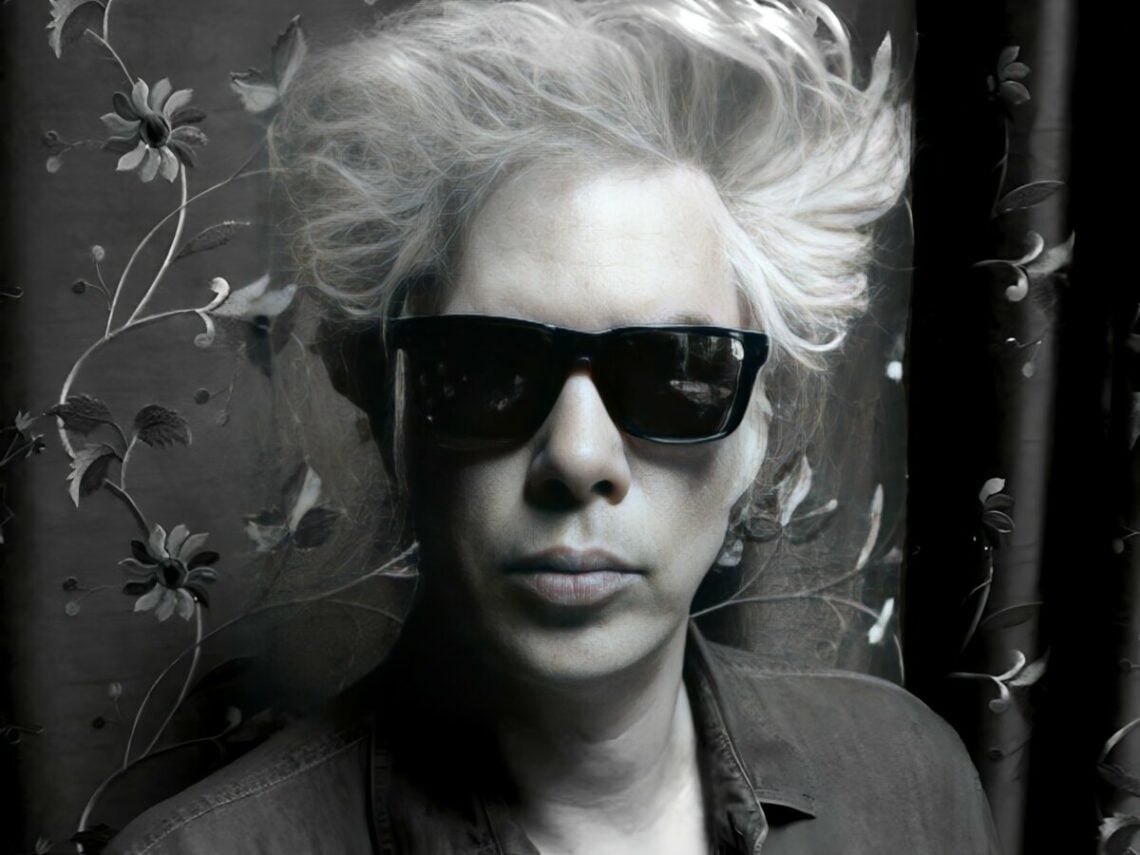
Jim Jarmusch’s five golden rules for filmmaking

An enduring icon of American independent cinema, Jim Jarmusch, has proven throughout his career that he possesses a deep understanding of the filmmaking process, a focused artistic vision that leaves his works with the undoubted flavour, tone and mood of being uncompromisingly his own.
By defying the generally accepted conventions of the director’s role, Jarmusch has made some of American film’s most memorable pieces, from the ultra-cool yet existential Stranger than Paradise to the tender and emotional Paterson, via the equally brilliant Dead Man and Coffee and Cigarettes.
In pretty much all his films, Jarmusch, the man and artist can be felt, and this haunting presence largely all comes down to his five personal rules for filmmaking, which range from a general disregard for the rules themselves to an expression of disdain for those involved in getting a given movie up off the ground and into production.
Jarmusch begins with perhaps the most important rule in any creative process: “There are no rules,” he says, “It’s an open form,” he added before admitting that he’d never be keen on telling any artist about how to make anything. “To me, that’s like telling someone else what their religious beliefs should be,” he noted. Central to Jarmusch’s philosophy on filmmaking, then, is to largely disregard the rules others set out, which creates a level of irony to his own set of rules!
The director is also keen to point out how the people who finance, distribute, promote, and exhibit films are “not filmmakers” and ought to be treated with a certain suspicion. In other words, “Don’t let the fuckers get ya,” or “Carry a gun if necessary.” Jarmusch believes there will always be those around who only want to make money or “get laid” through film, but these “sycophants” are opposed to the filmmaker as an artist.
The production of a film can also throw up its own set of problems, with Jarmusch noting, “The film is not there to serve the production. Unfortunately, in the world of filmmaking this is almost universally backwards. The film is not being made to serve the budget, the schedule, or the resumes of those involved.”
Second to last for Jarmusch is that filmmaking will always be a “collaborative process”, and all collaborators on a movie ought to be treated with equal respect, meaning that “a production assistant who is holding back traffic so the crew can get a shot is no less important than the actors in the scene, the director of photography, the production designer or the director.” A dictator director with a stance on hierarchy should be nowhere near a film set and must be happy with the collaborative process required.
Finally, Jarmusch admits that it’s okay to steal from other artists – to an extent – “nothing is original” after all. He urges filmmakers to “Devour old films, new films, music, books, paintings, photographs, poems, dreams, random conversations, architecture, bridges, street signs, trees, clouds, bodies of water, light and shadows.”
He signs off with a moment from Jean-Luc Godard: “It’s not where you take things from—it’s where you take them to.”
These kinds of rules for filmmaking reveal Jarmusch as the true artist that he is known and loved for being. A true master of independent cinema, Jarmusch has never stuck to the rules expected of him and has perceived the producers and financers of the film industry as enemy number one, though this has led to countless works of unique artistry. His rules for filmmaking ought to be taken on with the utmost earnestness then for anyone seeking to make a dent in the medium.
