


‘A Real Pain’ movie review: a hilarious and perfectly-timed comedy about modern suffering

Within the constant tragedy of the modern world, it can feel almost selfish to wallow in our problems. Whether grand or small, any qualm can be immediately squashed by the comforting thought that ‘it could be worse’, which quickly dispels my worries about being in the latter part of my youth and not having achieved my wildest dreams (allegedly, there is still time). But when living among people who advertise and exploit their personal dramas for attention, exaggerating any negative part of their life for sympathy, it can feel as though we have collectively, completely lost the plot.
There are IBS influencers who talk about the power of their bowel movements as if this gives them a monopoly on pain and celebrities who believe that a true tragedy is when they can’t have a Birkin bag, and when contrasted with the genuine horrors of a genocide that is happening on the other side of the world, I know that we have lost the plot.
However, it raises an interesting conversation about the quantification of pain. In a world in which it feels as though everyone is suffering, who is allowed to be vocal about their suffering? What determines a “real” pain? It is this question that Jesse Eisenberg concerns himself with in his hilarious and thought-provoking feature film, A Real Pain.
The tangled mess of family dynamics can make for endlessly fascinating stories. While two people may share the same blood, their individual experiences shape the structure of their perspective and define the lens through which they view the world. I am the eldest of four daughters, and while we had the same upbringing, I am constantly amazed at our differences and the wildly opposing flaws that, at the very least, have given me a good sense of humour. But in A Real Pain, Eisenberg looks at the differences between two family members through a much wider lens, exploring the legacy of generational trauma and how this shapes our perception of pain.
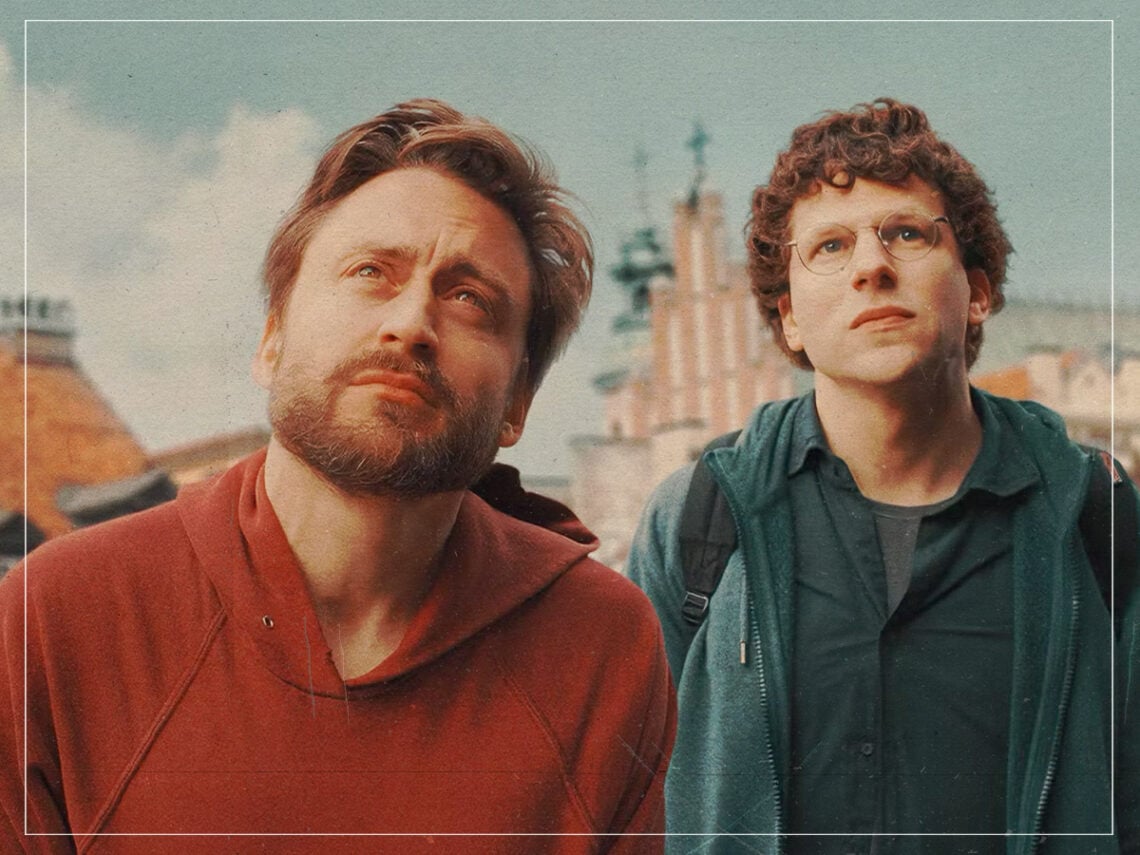
The film follows David and Benji, a pair of cousins who reunite to visit their dead grandmother’s hometown in Poland. Kieran Culkin gives a knockout performance as Benji, playing a brilliantly charismatic and troubled man who is a little lost in life, masking his self-hatred with a razor-sharp wit and sense of humour that always puts him in the spotlight (even when it isn’t appropriate to do so). This is perfectly contrasted with the presence of Eisenberg, who stars in the film as David, playing a high-strung but sweet-natured character who is always slightly nervous about the unpredictable chaos that Benji will next unleash.
As the pair join a walking tour of Warsaw, led by an awkward ex-Oxford student called James (expertly portrayed by Will Sharpe), they attempt to reconnect and bond over their family history despite being aware of the differences that have slowly driven a wedge between them. Their relationship is defined by equal levels of envy, awe, frustration and love, leading to an unspoken tension between them as they dart around these pains, struggling under the weight of their problems. Through their time together, both men are able to grapple with the parts of themselves they can’t make peace with, being challenged by the qualities that the other possesses that they either lack or have too much of.
While both characters are in pain for very different reasons, they struggle to contextualise or acknowledge this when confronted with the colossal suffering experienced by their family during the Holocaust. As the trip goes on, the film sparks a perfect balance between light and shade as it poses these philosophical questions amidst the perfectly timed comedy, looking at how trauma manifests in different people and the weight of global suffering that makes modern maladies feel as problematic as stubbing your toe.
A Real Pain masterfully blends both humour and darkness, striking a perfect balance in the grey area between both that reflects our reluctance to fully confront the darkness, either hiding behind a socially acceptable pain or ignoring the suffering that desperately demands our attention. As we journey with this ragtag group of tourists through their odyssey of pain and guilt, we quietly begin to empathise with the pains we are afraid to speak out loud and those who need our care more urgently. But perhaps most importantly, Eisenberg finds a beautiful clarity through this conflict. While people are often the ones to inflict hurt, they are also the only antidote to our suffering, and it is only by exposing our wounds that we can make sense of this pain.
