


Try ‘Trying Times’: James Blake is still a perfect entry point to anyone wanting to get into electronic music

My first job was working in a pub kitchen at the age of 16, and when the head chef wasn’t blasting pop hits as a means of helping him power through the Sunday lunch shift, my colleague, who was a couple of years older than me, used to educate each other on our respective musical interests.
Far more enjoyable than being forcibly made to listen to Maroon 5 while I hosed off hunks of unfinished roast dinners from plates, I was introducing my colleague to indie folk in the vein of Grizzly Bear and Fleet Foxes, an area that was alien to him, while he was equally feeding my ears the delights of Burial and James Blake. As teenagers, we were both still finding out what interested us most, and while we both had our own areas of relative expertise or special interest, neither party seemed averse to opening the door up to something outside of our comfort zones, even if Burial felt like a stretch at the time.
Electronic music was a phrase that was only ever whispered in my house growing up, and until then, my knowledge of the wider genre had been somewhat limited in scope. Hearing a record like James Blake, with the eponymous figure pouring his heart out over minimalist dubstep beats while manipulating his voice in a multitude of jaw-dropping ways, had me curious to explore more from this world that I’d been shielded from.
Of course, it wasn’t entirely my first exposure to electronic music. I was well aware of some of the notable names from the big beat movement such as Fatboy Slim and The Chemical Brothers due to their frequent airtime on MTV2, which had been my music gospel for much of my childhood until this point, and for some unknown reason, trip-hop managed to get something of a free pass at home, perhaps as a result of it having emanated from a city in close proximity to my sleepy Wiltshire hometown.
However, what Blake offered appeared to be different to this. Despite having been labelled as dubstep, it was a marked departure from the obnoxiously abrasive form of the genre that Skrillex was having chart success with, and which was being egregiously funnelled into my ears via the common room speakers during sixth form. Blake’s version of the genre still dabbled in chaos, but it was far more musically inclined in its approach and came bundled with a degree of tenderness that I’d not been used to hearing in dubstep. Could it be that I was being misled all this time?
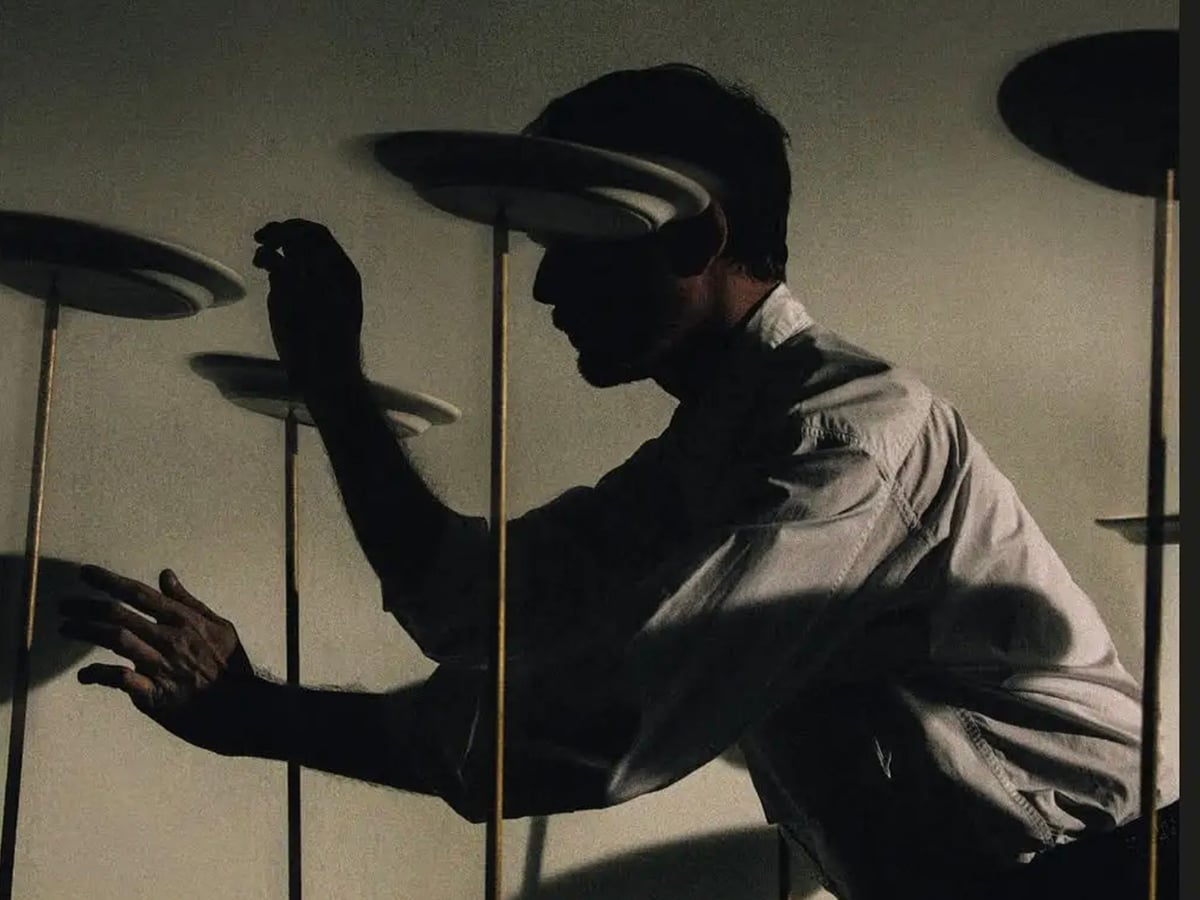
Curiosity got the better of me, and after coming to a realisation that dubstep’s origins didn’t come from the floppy-fringed scenester whose audience only cared about ‘fat drops’ and ‘big wubs’, there was an entire world out there ready for me to explore. Not only that, but the early days of the YouTube algorithm had a reasonable track record when it came to encouraging you down an interest-centred rabbit hole rather than one plastered in slop and misinformation, and I was soon having my horizons broadened to introduce a backlog of sonic experimentation that I was previously oblivious to.
As mentioned, my infatuation with Grizzly Bear at the time meant I was more than aware of their label, Warp, but I’d decided that their catalogue of electronic music wouldn’t have been to my taste because of my ill-informed preconceptions about what it might sound like. I’d expected Aphex Twin and Autechre to prompt a visceral Hank Hill-esque reaction, regurgitating his infamous “it’s all toilet sounds” quote, and yet, I found myself not just being pleasantly surprised by the inventiveness on display, but having my brain rewired entirely.
Now, neither of these would have been a suitable entry point, given how alien they would have sounded without any prior insight into how electronic music could be compositionally complex. Yes, teenage me had dabbled with progressive rock as a way of avoiding having a metal phase, but prog wasn’t my introduction to rock music entirely; I had to work my way up to it from the most accessible incarnations of the genre, and at some point, the leap from Led Zeppelin to Yes suddenly made sense.
Blake, on the other hand, was the ideal entry point, and he continues to offer the same degree of palatability seven albums into his career, with his latest offering, Trying Times, being another album that flirts with electronic experimentation in a way that feels inviting. This has seemingly been his modus operandi since the beginning, but few have realised how each of his records has lightly tried to tap into aspects of a culturally prominent style while at the same time using the opportunity to fuse it with his own style.
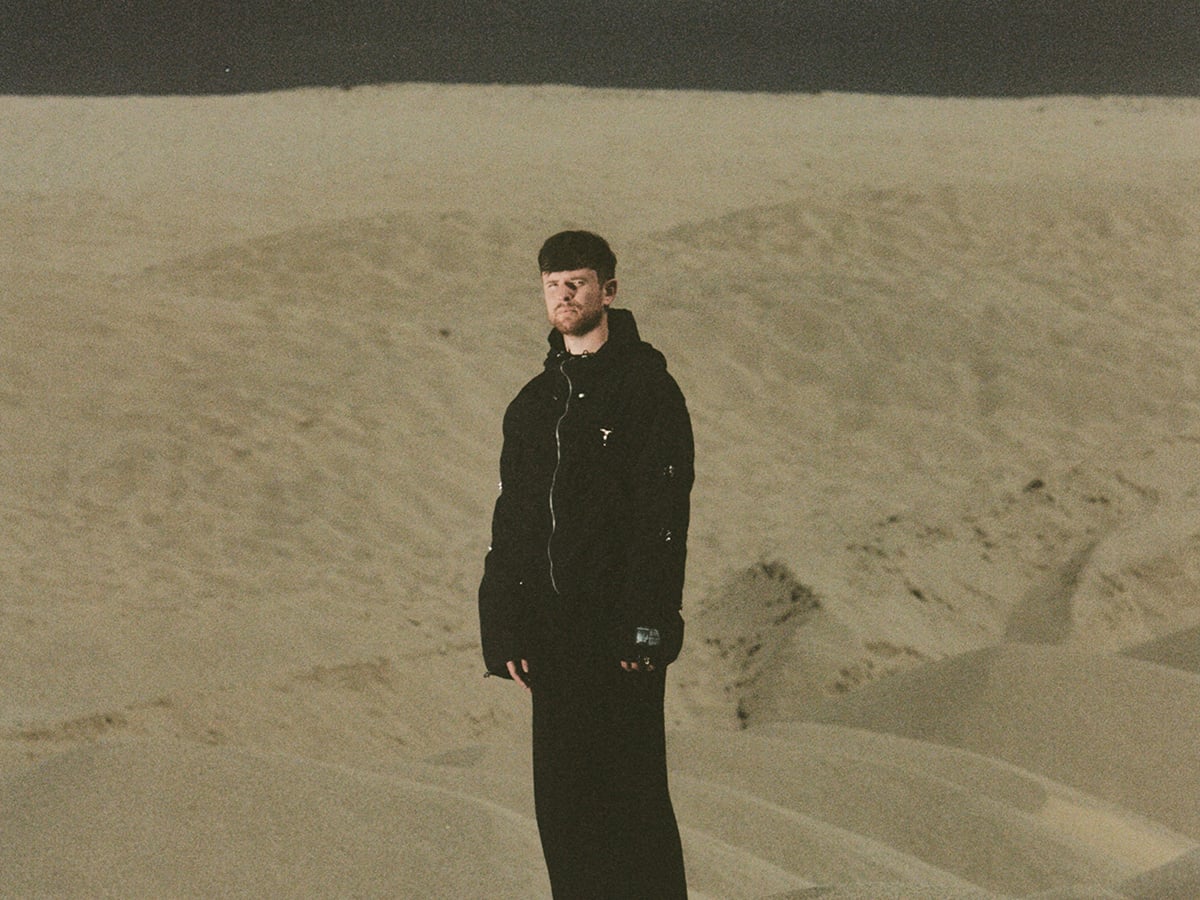
James Blake was not a dubstep album like many people proclaimed, but a down-the-line electronic pop record peppered with elements of dubstep. Purists didn’t seem to like this approach and saw it as an opportunist jumping on a bandwagon, with detractors like Portishead’s resident curmudgeon, Geoff Barrow, going as far as to call it “the dubstep meets pub singer years.” On the other hand, some saw it as a different take on the genre, and the way in which it held the potential to pique the interest of people from other musical persuasions by not strictly falling into the genre descriptors it was assigned made people more curious to explore other styles associated.
Similarly, Assume Form is not a trap or R&B album, Playing Robots Into Heaven is not a house or techno album, and Trying Times is not an indie soul album, but what Blake has done on all of these examples is acknowledge different facets of his own expansive taste that happen to be rising in popularity at the time, and inject elements of them into a series of unique releases that showcase his other curious electronic leanings.
He might not even be the best electronic artist you’ve ever heard, but it’s because of how he toys with multiple familiar styles at once and distorts them in ways that intend to spark a curiosity in the listener. Blake himself is clearly someone who has spent an entire lifetime digging into a wealth of different sounds to play with, and it’s with a genuine caring touch that he juxtaposes them in the hope that those listening will develop the urge to discover more in the same fashion.
It’s hard to say whether I’d have approached the likes of Oneohtrix Point Never or SOPHIE with the same open mind had I not had Blake as the entry point to gently induct me into the world of electronic music to a greater degree, but given how he’s continued to follow the same formula of taking something familiar and manipulating it into something more daring for the last 15 years, it’s fair to say that for anyone wishing to dive headfirst into the electronic world, you could do far worse than to start with James Blake.
