


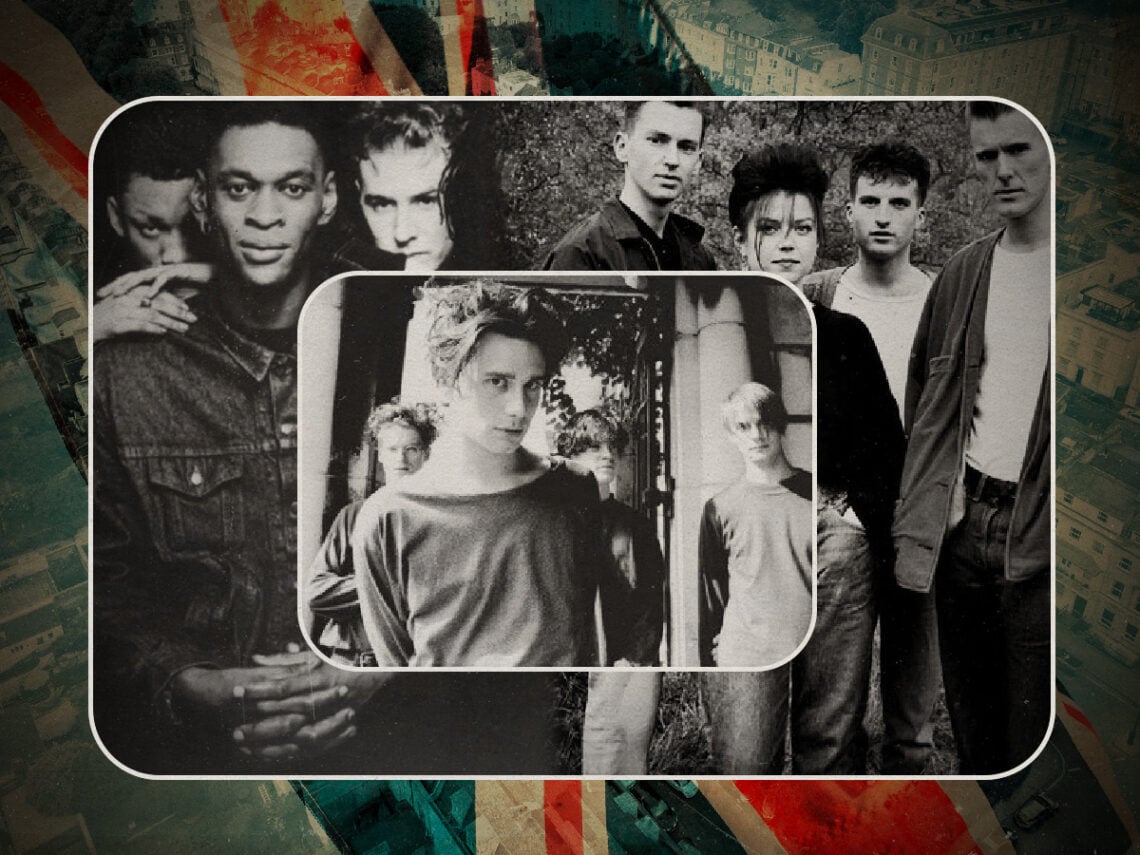
The five best bands from Bristol from the 1990s

While never spoken about to the same extent as the likes of Manchester, Glasgow or Leeds, whose respective musical outputs tend to be treated with a sense of overwhelming reverence and pride, there’s a definite case to be made for Bristol as being an equally important cultural hub outside of London.
While post-punk was certainly a prominent force towards the end of the 1970s and into the ‘80s with the emergence of acts like The Pop Group and Rip, Rig and Panic, it was the transition into the 1990s that truly put Bristol on the map with the burgeoning trip-hop, drum and bass and acid house underground scenes. Following the soundsystem collective of The Wild Bunch based in the neighbourhoods of St Paul’s and Montpelier, acts like Massive Attack, Nellee Hooper, and DJ Milo emerged as prominent figures in the city’s creative underbelly.
Things didn’t just stop at the turn of the millennium either, with modern acts like Idles and Katy J Pearson still flying the flag for the South West city, and the rich musical history of the place still rings on in several of the grassroots acts operating in the area today as scenes begin to merge or splinter into new and innovative directions.
As a long-time resident of Bristol, it’s been fascinating to see new faces emerge and attempt to maintain its status as a city with its finger firmly on the pulse, but what’s more fascinating is how the new blends with the old, and how people are still proud of the heritage and legacy left behind by those from previous eras. Bristol still celebrates its past icons, whether that be Roni Size or Bananarama, but perhaps none more so than the bands that were active during its most fruitful decade in the ‘90s.
Though trip-hop may be considered the main export from the city, there were plenty of other trailblazing acts forming throughout the decade in Bristol. With that in mind, we’ve chosen to highlight the five most important groups (apologies to all of the significant soloists) who have come from Bristol during the 1990s.
The five best bands from Bristol from the 1990s:
Strangelove
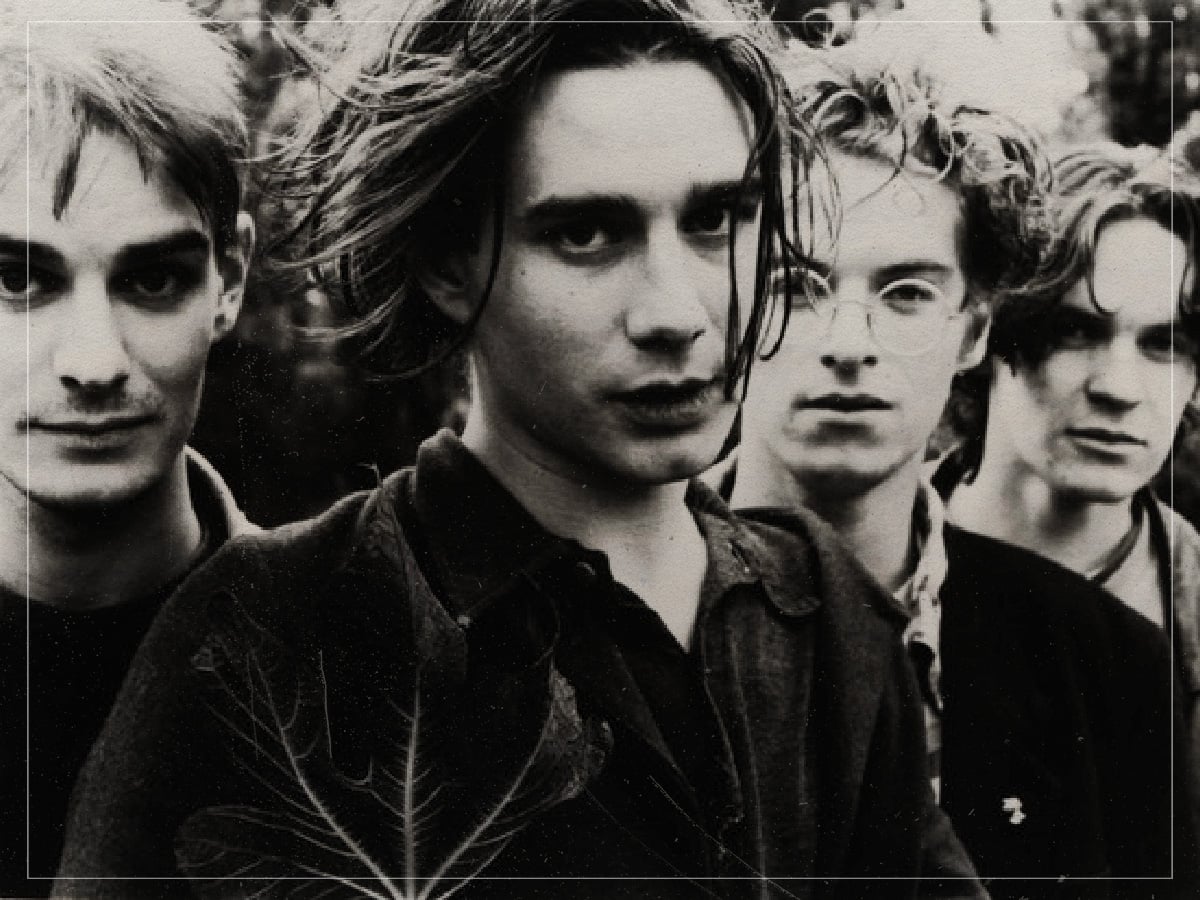
While the so-called Britpop explosion wasn’t contained within any particular region of the country, Bristol arguably felt the full force of its influence far less than many of the other major cities, perhaps largely down to the emergent trend of trip-hop happening concurrently within the locale. That being said, one sorely underrated group who held far more in common with Blur and Suede than they did The Wild Bunch were the short-lived Strangelove, whose trio of albums in the 1990s were all unsung gems of a melodic pop rock flavour.
Fronted by songwriter Patrick Duff, the group’s sense of whimsy and quintessentially British charm wasn’t simply a case of them trying their hardest to fit in with the times, but was a pure and honest display of intricately-crafted pop music that attracted fans in none other than Brett Anderson and Richey Edwards. Their brief time in the spotlight was unfortunately curtailed by internal struggles and Duff’s battles with addiction issues, but had they continued to release music of the highest calibre, there’s no reason why they couldn’t have become major players towards the tail end of the Britpop era.
The Sundays
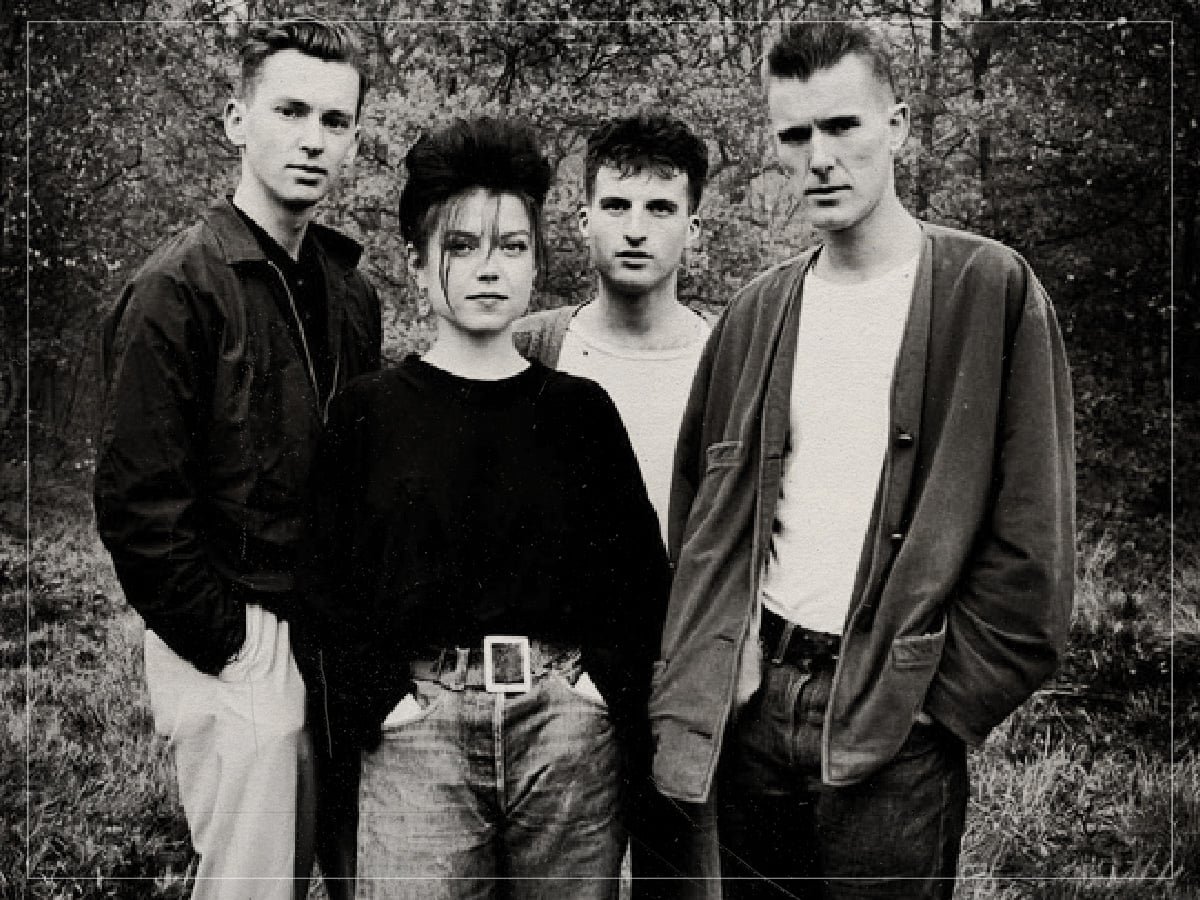
While many people tend to ignore the fact that the band had their origins in the South West, having formed while studying at the University of Bristol before decamping and moving to the more established cultural hub of the capital, The Sundays are still one of the most influential acts of the 1990s when it comes to dreamy jangle pop. Operating in a similar vein to the acts that were featured on the C86 compilation put together by NME in the late ‘80s, the group essentially became synonymous with this breezy take on indie rock that lives on in the spirit of many acts today.
Their 1990 debut, Reading, Writing and Arithmetic, is perhaps the album they’re still the most beloved for, with a richness in both sound and songwriting that feels effortlessly innovative even after three decades. Their subsequent two albums continued in this vein with all of the same cutesy charm, and in spite of them not being as prolific as other acts who radically altered the landscape of indie music during the period, the Bristol-formed outfit made their mark in emphatic fashion and earned their cult status with a trio of wondrous records.
Movietone
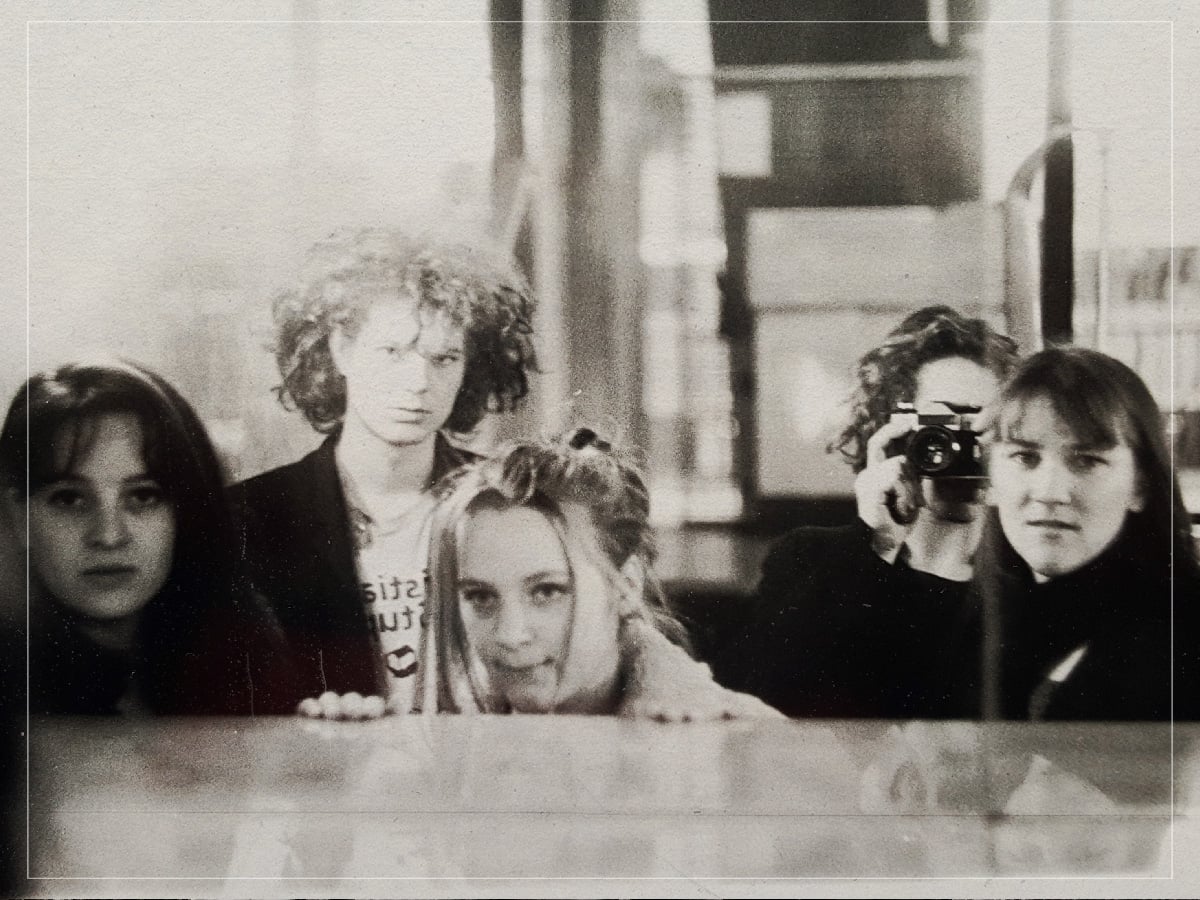
They may not have been as prominent on a nationwide scale as some of the other acts on this list, but there’s no denying that Movietone were perhaps one of the most original and innovative bands to have emerged from Bristol in the 1990s. The fact that a large number of rising acts in the city today cite them as being a major influence on their work only goes to show just how impactful their work has been on their hometown’s artistic output, and the brilliantly ethereal brand of post-rock and slowcore they specialised in is being emulated with aplomb by the next generation.
Taking cues from the hushed late works of Talk Talk and bearing similarities to contemporaneous acts such as Low and Yo La Tengo, the delicate compositions of the band that can be heard on their two ‘90s albums, Movietone and Day and Night, are punctuated with moments of stark quiet and intimacy, as though you’re being softly serenaded by the band from the corner of the room. There never needs to be much going on for the power of their work to hit you full pelt, but when there are gentle flourishes happening in the background, they’ll come with a huge emotional resonance in spite of their reserved nature.
Massive Attack
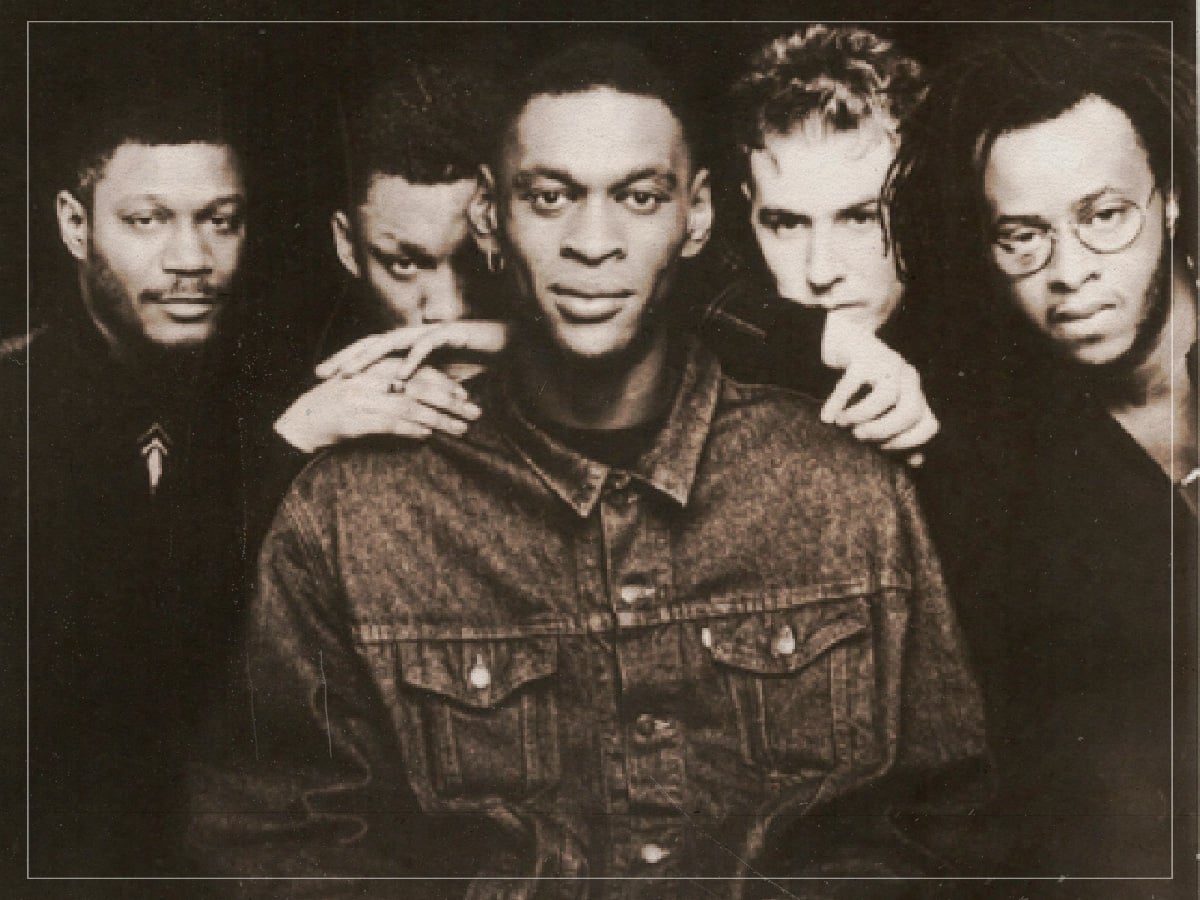
It was almost inevitable that the top two positions would be occupied by the two groups synonymous with Bristol’s greatest contribution to music in the 1990s, but while neither of their contributions can be knocked for how culturally significant they were at the time and continue to be, Massive Attack narrowly miss out on the top spot from a personal perspective. Arguably the group that kickstarted the movement in the first place, the trip-hop trailblazers provided a blueprint for what the genre could be with their dub, electronic and hip-hop inspired genre mutations on debut album, Blue Lines.
While their two other ‘90s records, Protection and Mezzanine, expanded upon the ideas they laid out on their debut, their continued presence within the music industry after the end of the decade, coupled with their prominent political activism, has helped them become more than just a musically innovative outfit. Massive Attack are a cross-discipline tour de force, and arguably birthed the careers of not just those who were part of their inner circle, such as Tricky, but also gave other local artists the impetus to create similarly innovative works.
Portishead
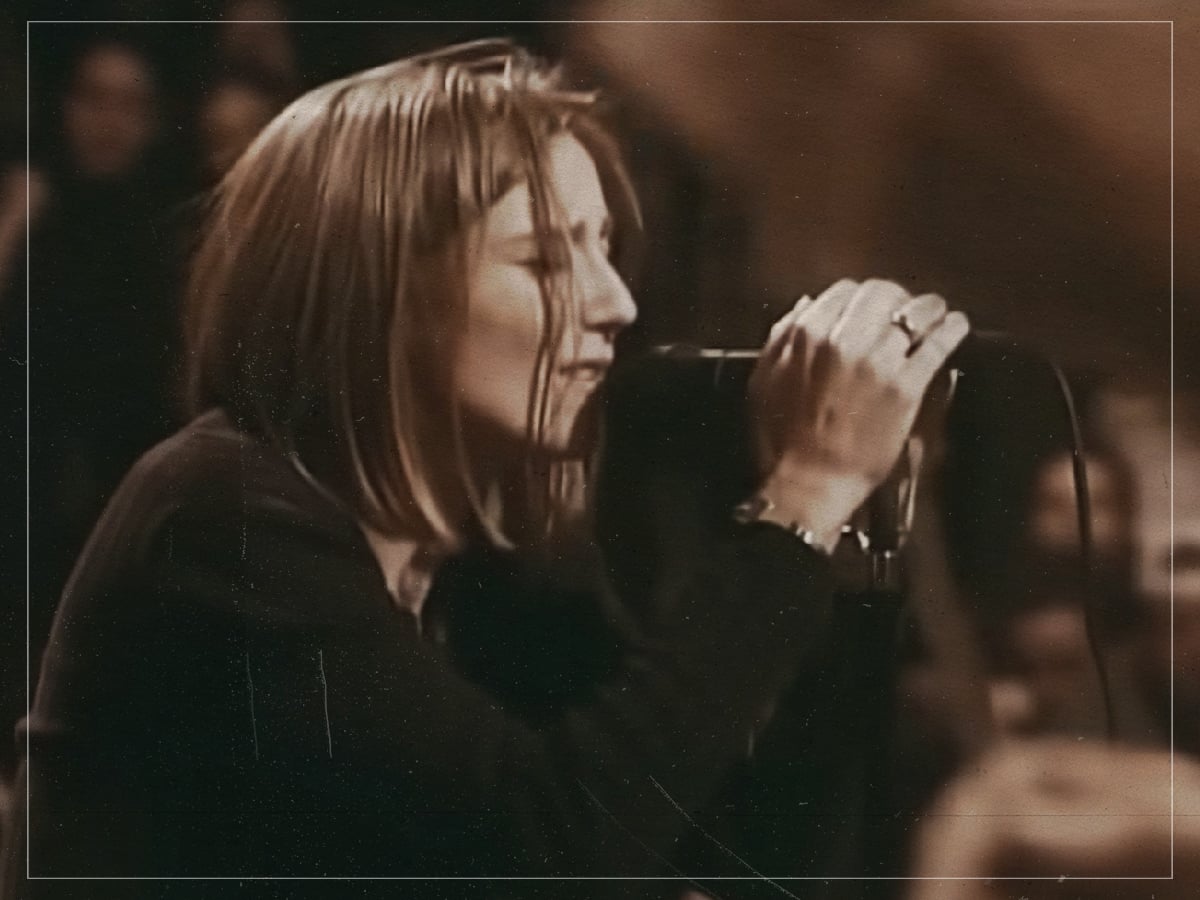
If Massive Attack embodied the grittiness of the Bristol underground with their nascent iteration of trip-hop, Portishead followed it up with a counterbalance of something that was far more romantic, sensual and surreal, and on their debut album, Dummy, they created not just a landmark album for the genre, but one of the most technically impressive records of the entire decade. With the exceptional vocal range of Beth Gibbons delicately ricocheting off the stuttering noirish soundscapes of Geoff Barrow and Adrian Utley, their two ‘90s records are records best experienced in the dead of night in complete solitude, allowing the listener to soak up all of the intricacies to their full capacity.
It may feel discourteous not to offer the top spot to the band who were arguably the founders of a movement, and I’d happily let anyone revoke my status as a naturalised Bristolian despite having immersed myself in the city’s culture for the last seven years as a result of this decision, but I firmly believe that Massive Attack laid out a foundation for Portishead to run wild with. Their cinematic approach to production and deft songwriting put them just a notch ahead of their forebears, and their subtle application of sweeping string samples, record scratches and crafty studio musicianship are all hallmarks of what made them such a unique prospect then and now.
