


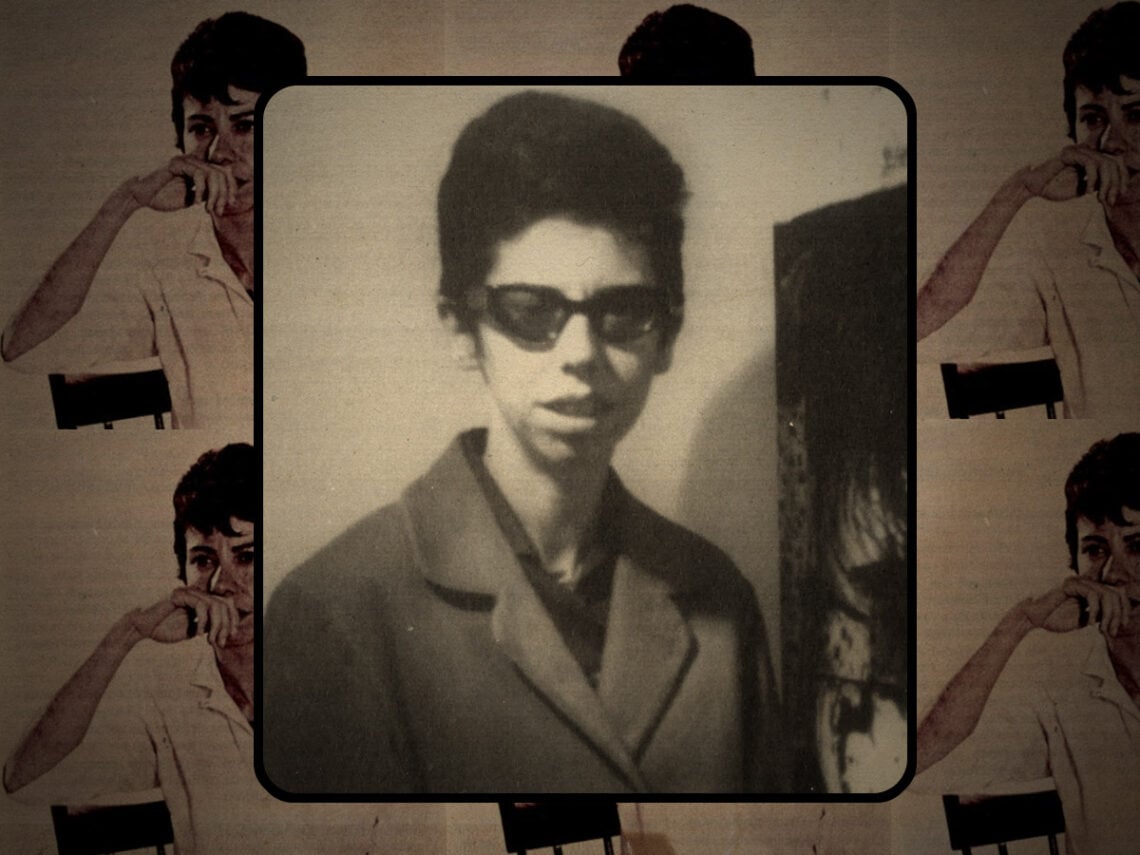
Jacqueline Nova: The remarkable story of the woman who changed Colombian music in the 1960s

Across virtually all mediums throughout history, the greatest artistic trailblazers have often gone underappreciated, overlooked, or misunderstood during their lifetime, and the musical landscape is certainly no exception – particularly in the case of pioneering female musicians like Colombia’s sonic scientist, Jacqueline Nova.
Colombia has always boasted a rich musical history, largely revolving around the infectious rhythms of cumbia and salsa, built from a blending of traditional Colombian folk and the African rhythms brought to the nation by an enslaved population.
Even today, Colombia’s musical impact can be felt far and wide, from the artists reimagining traditional cumbia for the modern generation to the countless pop and rock outfits combining their musical heritage with a more globally accessible sound. Throughout it all, though, nobody else has managed to emulate the sounds of Jacqueline Nova.
During her childhood, surrounded by the bloody violence of La Violencia – Colombia’s ten-year period of civil war during the 1940s and 1950s – Nova devoted herself to studying the piano, becoming the first woman to graduate from the National Conservatory with a degree in composition. However, it was her scholarship at the Latin American Center for Advanced Musical Studies in Argentina that first led the young composer down the path of experimental music.
Experimental music was not necessarily a new invention back in the 1960s and 1970s, having been built upon the foundations of post-war musique concrète, but Nova did seem to come of age as a particularly productive time in the history of experimental music.
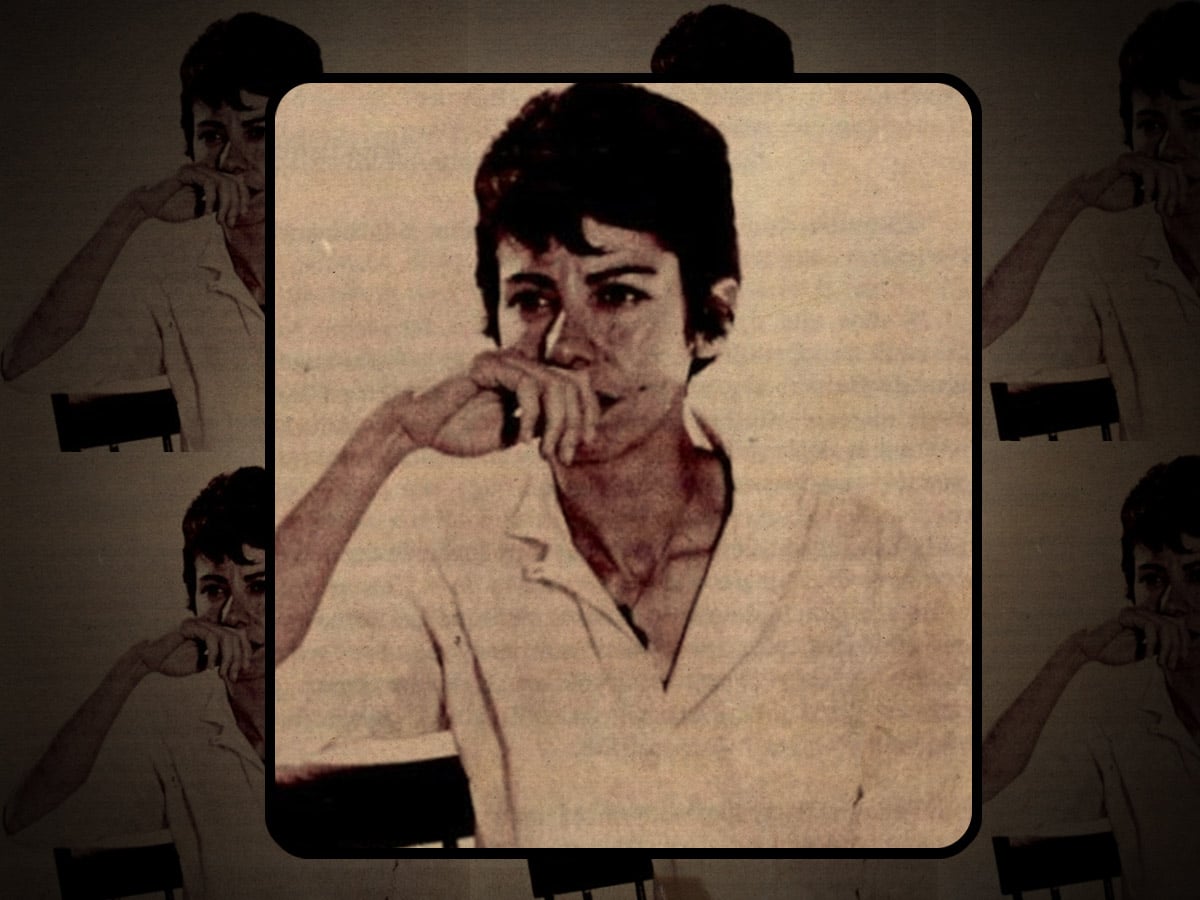
To her north, in the college towns of the United States, the likes of Pauline Oliveros and, a little later, Beth Anderson were altering the underground to the power of tape loops while, across the Atlantic, Delia Derbyshire was blazing a trail for virtually all future electronic and experimental music in Europe.
Like each of those figures, Nova, too, was destined to change perceptions of musical composition and, again, like her comrades-in-music, was destined to be woefully underappreciated for her efforts. Nova tragically passed away back in 1975, having had a colossal impact on the world of experimental music, but without having garnered the attention of the mainstream.
Looking back at her work, though, Nova’s work feels like a premonition of what was to come years later. Through her arsenal of electronic equipment, homemade amplifiers and adapted instruments, the composer created a wealth of otherworldly music which can only be compared to work much more modern work created decades after her death.
What’s more, she was effectively imbuing that work with a wealth of hard-hitting political activism. Throughout her work, she was always a voice of resistance and liberation for the women of Colombia and wider South America, but through early compositions like ‘Uerjayas. Invocación a los dioses, she incorporated the voices and chants of her nation’s indigenous population – specifically the U’wa people – which was virtually unheard of throughout the rest of Colombia’s musical output.
As for exactly why Nova was ignored en masse during her lifetime, the reasons are myriad, and they tend to be quite depressing, too. For starters, South American composers in general were rarely given the same attention as their American or European counterparts, and the opportunity for acclaim slimmed even further if those composers were women.
What’s more, Nova’s outspoken political ideologies were at odds with the traditionally conservative outlook of the music industry at that time, and her penchant for crafting experimental works didn’t exactly appeal to the commercial sensibilities of major record labels. For those who sought her out, though, there were entire worlds encased in the composer’s body of work.
In more recent years, in the tradition of many pioneering artists before her, that body of work has at long last been rediscovered by new generations through various reissues, most notably a 2022 compilation by Lima’s Buh Records.
In the light of modernity, the fact that Jacqueline Nova was able to conjure up these rich sonic tapestries using largely homemade, fairly primitive technologies goes beyond being impressive, and you can certainly see why it has taken over half a century for listeners to cotton on to her abundance of musical genius.
