


Five Easy Masterpieces: an introduction to cumbia

Latin America has had a colossal impact on the cultural landscape of the Earth, having produced some of history’s finest artists, poets and, of course, musicians. Music is a key aspect of life and culture in the region, so it makes sense that Latin America boasts a musical history that is unparalleled in its inventiveness or innate danceability. Throughout the years, one of the region’s greatest musical exports has come in the form of cumbia.
Said to have originated within the traditions of the Afro-Colombian community, cumbia is the name given to various different types of Latin American folk music and dances. You can trace back the lineage of cumbia for hundreds of years, going back to the days of Spanish colonialism, and the musical traditions that were brought to the region by the population of enslaved Africans. During the 20th century, however, cumbia traditions were ruthlessly modernised, combined with emerging styles of rock, funk, and jazz.
The resulting sounds, pioneered by the likes of Pacho Galán, Jose Barros, and Cumbia Soledeña, among many others, helped to make cumbia more relevant to modern audiences. Indebted to the funk and rhythm of its African heritage, the modern age of cumbia has imbued the style with an inseparable Latin feel. Although different regions still maintain specific types of cumbia expression to this day, the sounds of the genre have continued to change and adapt as the wider scene of popular music in Latin America has changed.
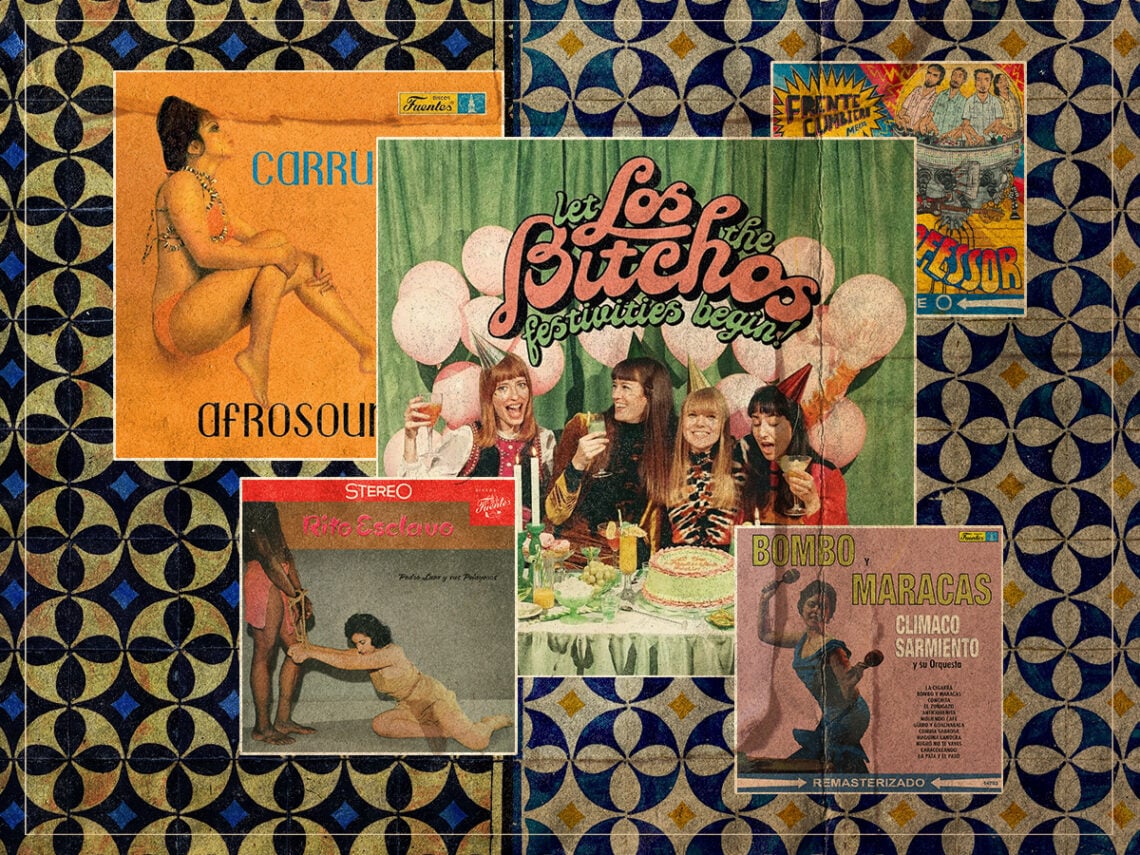
Today, audiences all over the world hold a deep appreciation for the infectious sounds of cumbia, with many global artists taking inspiration from its heritage and inherent sound to create something entirely new and original. Nevertheless, for those audiences outside of Latin America, finding a starting point to embrace the rich heritage and incredible rhythms of the style can be a pretty daunting task. Fear not, though, as we have curated a list of five essential cumbia records, ranging from its early origins back in the 1960s to the modern artists using cumbia as a foundation for their uniquely up-to-date sound.
Five essential cumbia albums:
5. Clímaco Sarmiento y Su Orquesta – Bombo y Maracas (1961)
Where better to start our list than the pioneering sounds of Clímaco Sarmiento? The Colombian bandleader and composer was utterly essential in developing cumbia from its traditional, folk-centric origins to the modern, danceable rhythm that is still enjoyed today. For instance, this 1961 album, released by Discos Fuentes, was among the first to include a bass sound within its cumbia style. The use of double bass on this record elevates it from a traditional cumbia LP to the framework for the style’s mid-century revolution.
It is particularly easy to see the impact that this album had on the future development of cumbia music when looking at the tropical mastery of tracks like ‘Cumbia Sabrosa’ from this record. While the development of modern cumbia was certainly the product of multiple different composers, artists, and groups, the influence of Sarmiento should certainly not be forgotten.
4. Pedro Laza y sus Pelayeros – Rito Esclavo (1961)
Like all half-decent music scenes, modern cumbia was indebted to a small number of independent record labels which fostered the genre during its early days. Among them, Discos Fuentes is undoubtedly one of the most integral to the development of cumbia. This record, released in 1961, saw the label’s head, Toño Fuentes, take a hands-on approach to the music, arranging the vast majority of tracks on this album – even if they were credited to Pedro Laza.
Largely instrumental in its output, this particular record is an excellent example of how brass was utilised during the early days of cumbia. These brass-centric efforts were often referred to as porros, but are certainly fused to the early styles of cumbia. It is easy to draw parallels between the sounds encased on Rito Esclavo and the big-band scene occurring in the United States around the same time, but the composers who worked on this record were much more innovative in their approach to music and cumbia.
3. Afrosound – Carruseles (1974)
As the hippie counterculture era reached South America during the late 1960s, multiple groups across the region began to imbue the rock-focused sounds of the United States with their own national sounds, namely cumbia. Peru was particularly productive in fusing together psychedelic hippie rock and infectiously danceable cumbia records, but Colombia certainly gave them a good run for their money, too. In 1974, Discos Fuentes unveiled this masterful, guitar-led effort by Afrosound and their mononymous leader, Fruko.
As their group name implies, Afrosound took a lot of inspiration from the blossoming sphere of Afrobeat and funk during the 1970s, but they were adept in using those influences to heighten the quality of their cumbia-centric background. This record, for instance, features some incredible Afrofunk-inspired anthems but also some of the finest guitar-led cumbia rock and funk of the 1970s. As a result, the group were hugely influential in the later development of guitar-led cumbia.
2. Frente Cumbiero – Meets Mad Professor (2010)
One of the most important modern labels keeping the spirit of cumbia alive is Vampi Soul, based in Madrid. Their mixture of reissues and original releases has made them a trusted source for obsessives of Latin music, and, back in 2010, they helped to repopularise cumbia music via this seminal release by Frente Cumbiero. The stage name of Mario Galeano, Cumbiero, was pivotal in keeping the cumbia scene ticking when it witnessed a decline in relevancy during the 1990s and early 2000s.
Speaking to his efforts in modernising the genre, this collaborative record with Mad Professor sees the essence of cumbia mashed together with a diverse range of sounds, namely dub reggae, hip-hop, and jazz. Without pioneering efforts like this, the sounds of cumbia might have fallen into obscurity as younger generations struggled to identify with the golden age of the genre back in the 1960s and 1970s. Cumbiero made sure that these audiences were aware of cumbia’s timeless appeal and innate adaptability.
1. Los Bitchos – Let The Festivities Begin! (2022)
A profound testament to the lasting legacy of cumbia music, London outfit Los Bitchos has seen an impressive rise to prominence in recent years. Although the band boast an endlessly diverse repertoire, composed of various different influences and inspirations, cumbia music has often been at the forefront of their sound, particularly on their 2022 debut, Let The Festivities Begin!. Just like many early cumbia classics, the album is largely instrumental but is awash with danceable grooves and that distinctive cumbia rhythm.
While speaking to Far Out earlier this year, Los Bitchos highlighted the lasting relevance and importance of cumbia, simply saying, “It makes you want to dance, which is timeless.” Perhaps that is why, hundreds of years from its initial origins, and six decades on from its modern adaptation, cumbia is still being enjoyed by music fans and artists across the globe.
