Ishiuchi Miyako: The photographer who captured the dark heart of post-war Japan

Imagine growing up and not even being aware that the streets you come to know like the back of your hand have been distorted beyond recognition. That you embody a series of events that don’t so much amount to a generation gap with your community but a scar on their very psyche. It sounds like a work of psychological drama, but for legendary Japanese photographer Ishiuchi Miyako, it was her entire early life.
Born in 1947 and raised in Yokosuka, Kanagawa, Miyako grew up in a city forever changed by the devastation of World War II. As we all know, that was nothing new for Japan once fighting on the Eastern front had ceased. However, Yokosuka in particular had changed in a way that truly perverted its very nature. What was once a thriving port city was now the largest US Navy base in the East.
This was the community that shaped Ishiuchi and inspired her early work as a photographer. At 19, she began depicting her home town in the stark black and white that would characterise her career going forward. She told Ocula magazine as much in 2021: “The scars of adolescence that I sustained there had a big effect on me, and you could say that Yokosuka was the starting point for my photography”.
She wasn’t alone, of course. She was part of arguably the most celebrated cohort of Japanese photographers ever. Along with the likes of Daido Moriyama and Shomei Tomatsu, she processed the trauma of growing up as a generation in the shadow of war. Yet her work was never exploitative or gratuitous; these were everyday people frozen in time.
A toddler crossing an empty street, walking towards the camera in a dark raincoat. A deserted alleyway decorated with conspicuously English shop signs. A figure stands on a jagged headland of coastal rock, looking mournfully out to sea as a dark cloud looms in the distance. It’s melancholic. It’s unforgettable. It’s life. By the end of the 1970s, Ishiuchi had become one of the most celebrated and controversial Japanese artists in any medium after only just turning 30.
Where did Ishiuchi Miyako go from there?
As her career progressed, Ishiuchi’s work became less societal and more personal. Particularly, in the 1990s and early 2000s, with two of her most celebrated works. In 1994, she presented 1906 to the skin, a series of close-up images depicting the skin of a Butoh dancer she was friendly with, who was born in 1906. Then, 2002 saw her collection Mother’s, a set of photographs depicting her mother’s possessions after she had passed away.
One aspect of her work that has always shone through is her way of finding humanity in objects and vice versa. Hers is an eye that can show the wear and tear of nearly 90 years of life on a human body, but also how a simple pair of sandals can be the most devastating thing imaginable. Anyone who’s had to sort through a loved one’s effects after they are gone can relate.
This is fitting for her, as it’s not just her photographs that are intrinsically hers. Many of the prints in exhibitions of her work were handcrafted by Ishiuchi herself, a practice she has continued to hold up since her very first forays into photography. A testament to how an object, if crafted with love and care, can contain the spirit of its creator.
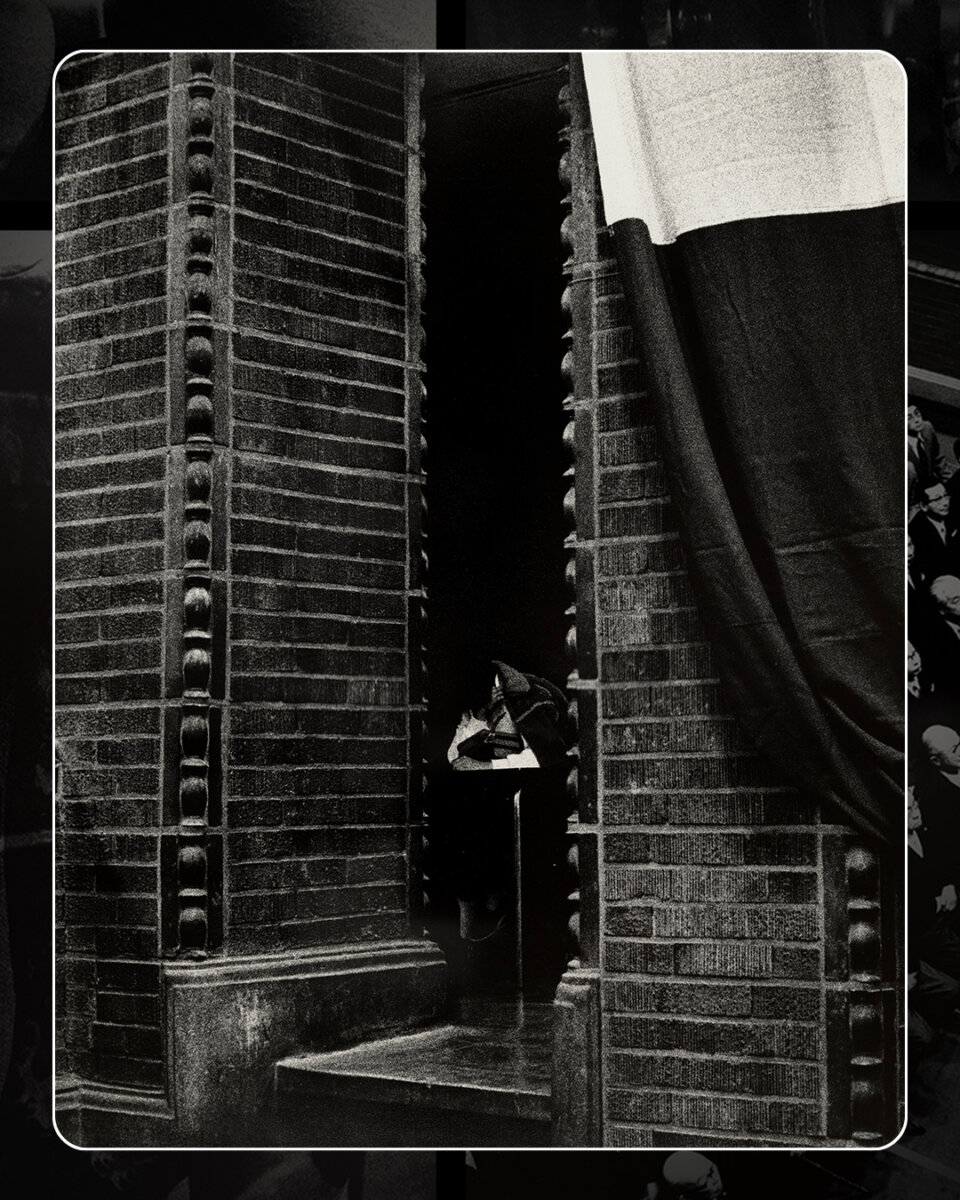
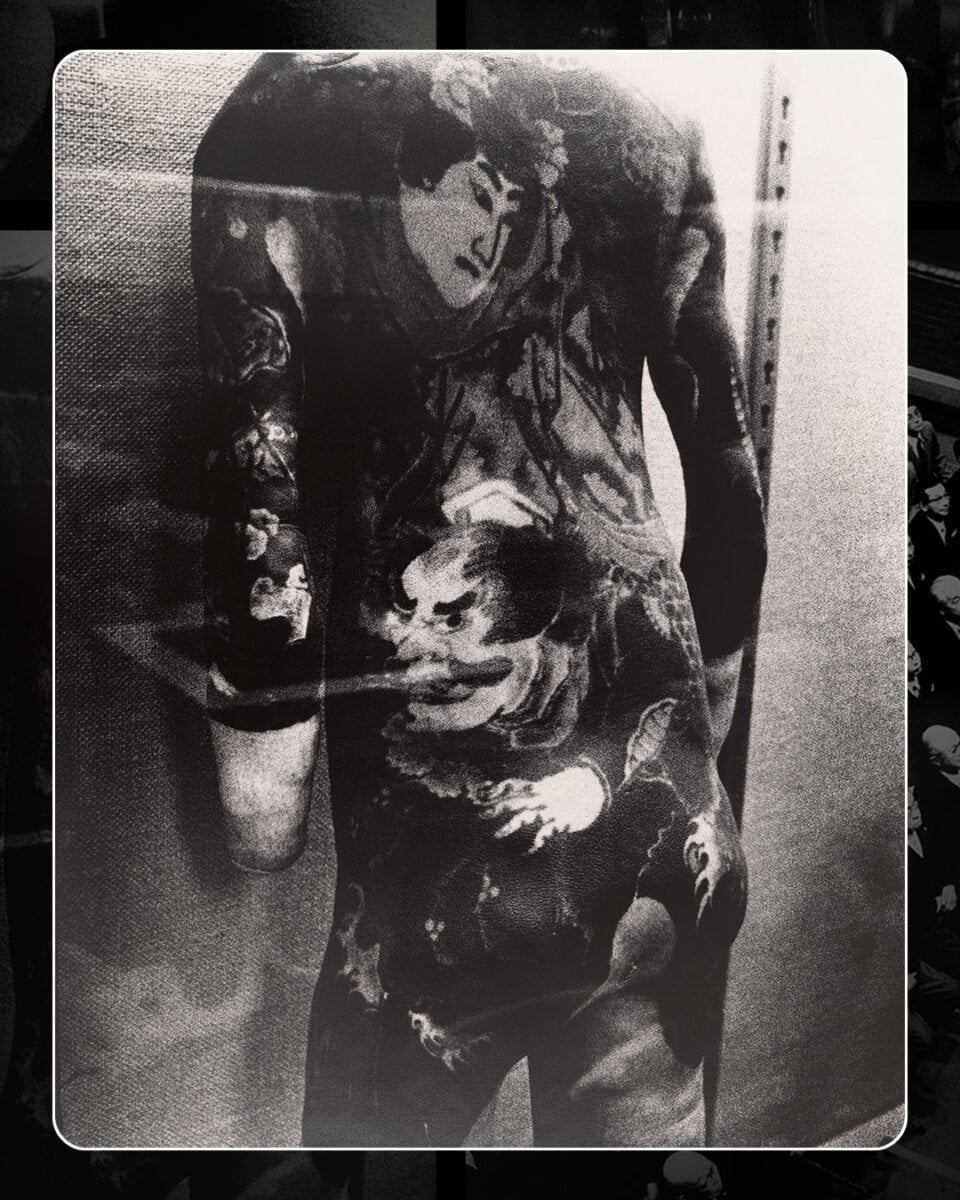
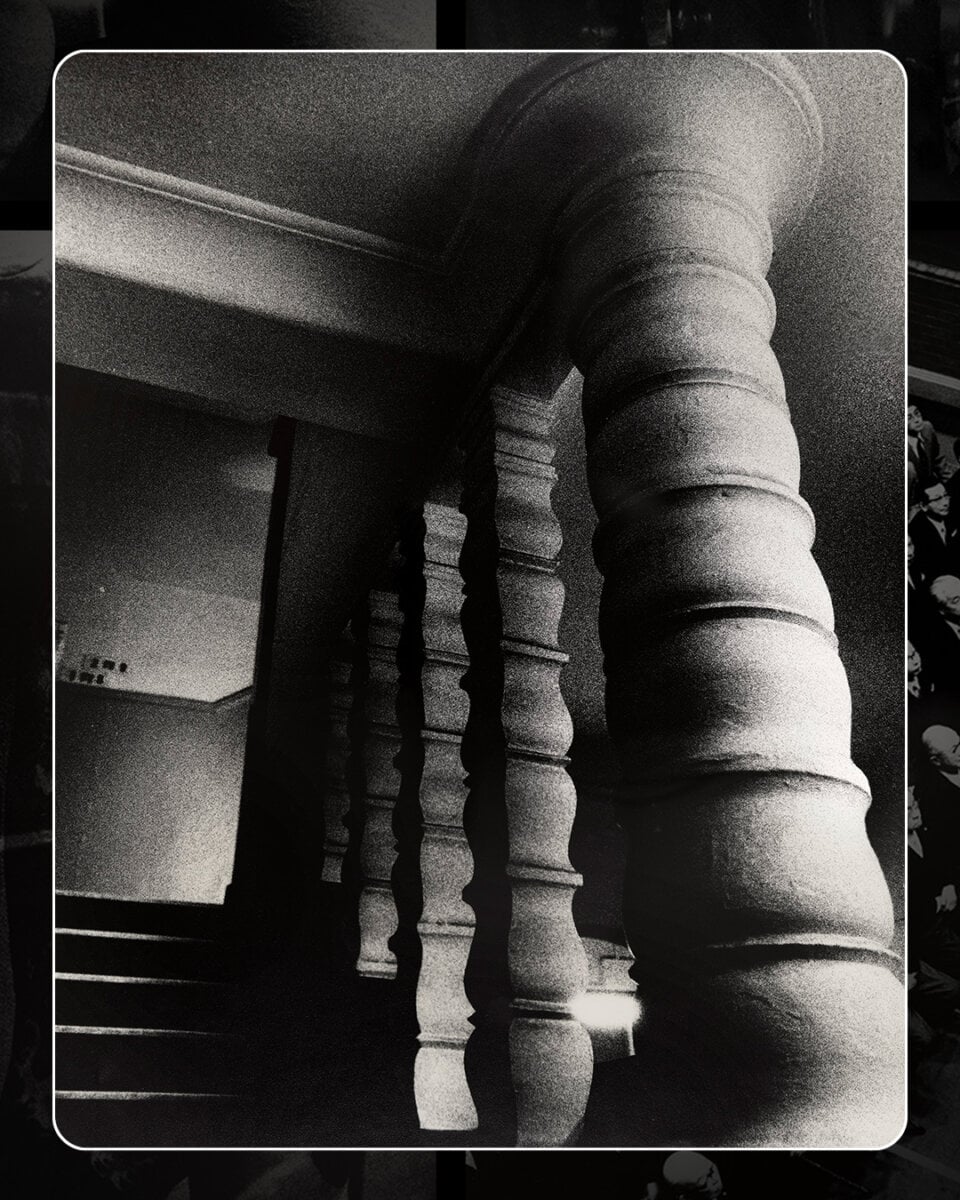
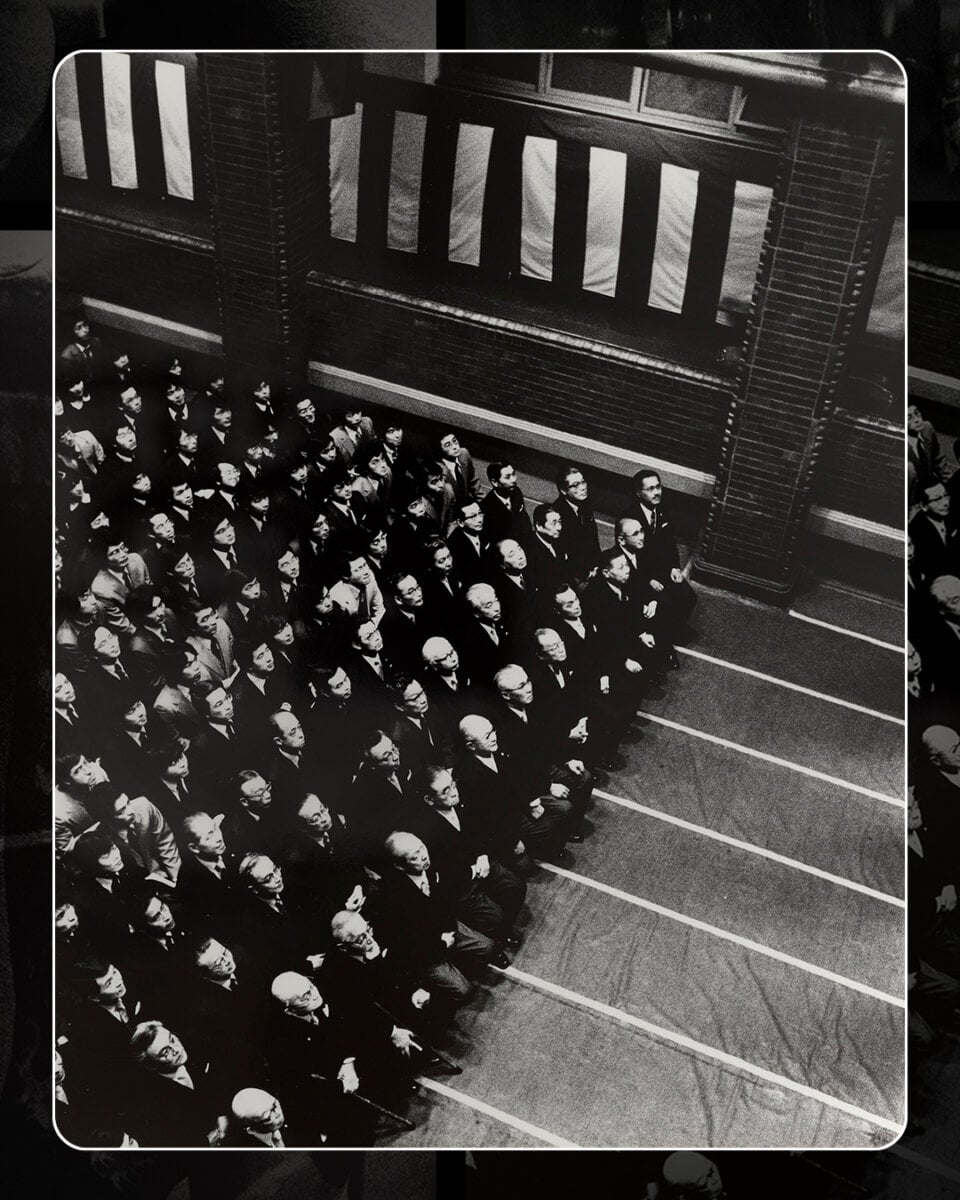
This spirit will be exhibited from September 4th to 7th at Independent 20th Century in New York City, presented by London’s Michael Hoppen Gallery. Among the works presented will be Suidobashi, a rarely seen early body of Ishiuchi’s work, along with excerpts from Yokosuka Story and Apartment. Don’t miss this opportunity to see the work of one of the most daring and captivating artistic voices to ever come from post-war Japan.