


‘Tokyo-Ga’: Wim Wenders’ first love letter to Tokyo, Japan and Yasujirō Ozu

With his 2023 drama Perfect Days, Wim Wenders was able to pay his respects to one of his favourite places in the world, Japan. The film sees Koji Yakusho play a toilet cleaner who finds a state of happiness and pleasure in his simple life of driving his van to work, listening to The Velvet Underground, reading William Faulkner and taking photographs of the minutiae of the world.
In much of the press material for Perfect Days, Wenders often spoke of his “master” Yasujirō Ozu, the Japanese director known for masterpieces such as Late Spring and Tokyo Story. Ozu’s works have always been a great influence on Wenders’ oeuvre, but nowhere is it more evident than in his brilliant Perfect Days.
“Ozu’s spirit looms large over the movie and over the spirit of the movie,” the director had noted at the Toronto International Film Festival. “We shot in a very old-fashioned frame – 2×3 – not many films are shot this way. This old format was a little nod to Ozu, but we shot with modern technology, high-tech cameras that allowed us to show Tokyo in a very special way.”
In an interview with Nikkei Asia, Wenders also spoke of the first time he ever visited Japan in the summer of 1977, explaining how it was then that he discovered a deep fascination and respect for the country. He’d visited to watch some archived movies of Ozu’s, and it was at that point that he largely fell in love with the city of Tokyo itself, noting, “I’d walk around for hours, not knowing where I was, then step into any subway [station] and find my hotel again.”
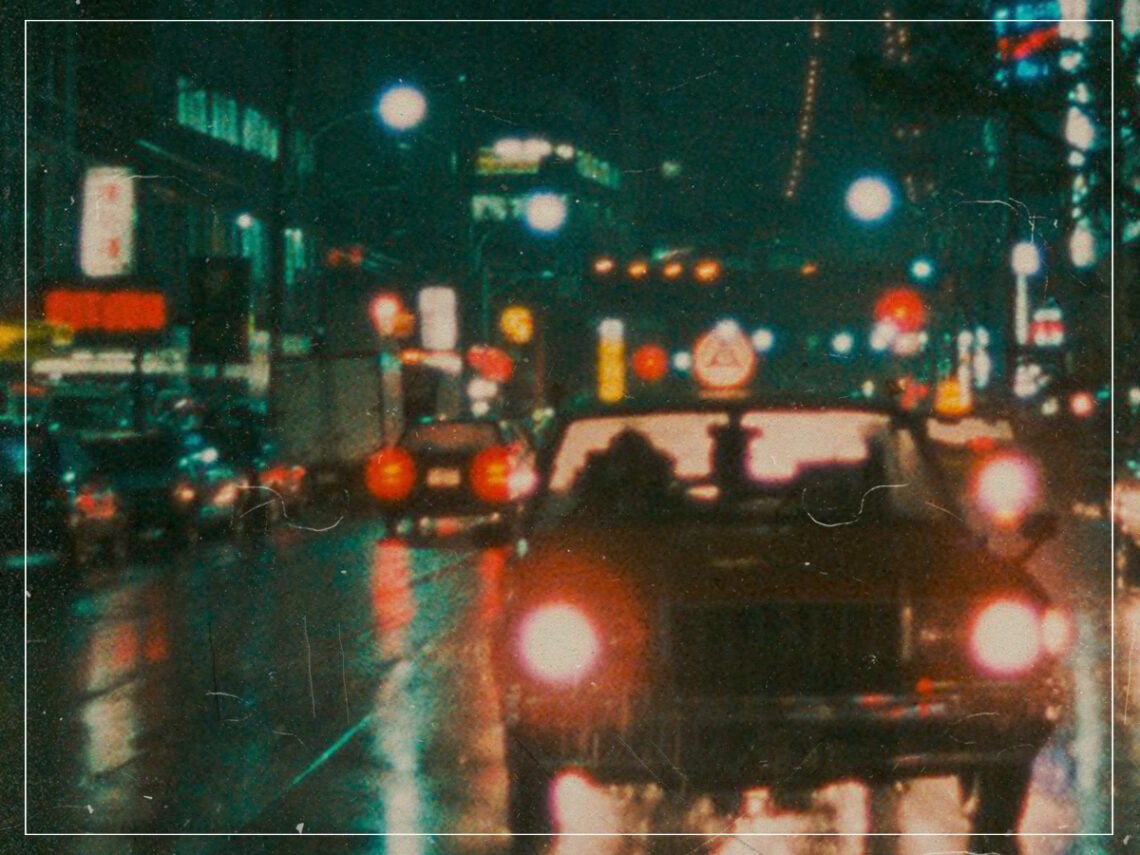
A few years later, Wenders returned to Tokyo, this time armed with his video camera, to try and retrace the footsteps of Ozu himself and to capture what he could of the Tokyo depicted in his master’s films in his documentary Tokyo-Ga. However, Tokyo in the first half of the 20th century had greatly changed by the time the 1980s came around, and Wenders stumbled upon a very different scene.
Wenders begins by offering a contemplation on Tokyo and the impact that Ozu’s work has had on his own. The modern Japanese capital is depicted as one of contrast, a place where the pachinko parlours and bowls of plastic imitation food of the late 20th century meet the ancient traditions and culture of the past.
The director also visits and interviews a series of Ozu’s collaborators, including his long-serving cinematographer and some of his most favoured actors. The documentary explores some of the locations that Ozu used in his films, yearning for an understanding of how they influenced his narratives.
The movie pays attention to the influence that Ozu had on his successor directors and the medium of cinema itself, with his collaborators painting a picture of the director as a master artist. It also reveals the kind of fast, urban city that Tokyo became, an environment that Ozu had himself been wary of as the imperative of the Japanese family began to wane throughout the 20th century.
Tokyo-Ga is a visually stunning film, and Wenders does an admirable job of allowing its images to speak for themselves, where lengthy periods lack dialogue or voiceover. It serves as the German director’s love letter to the city and country he so admires whilst simultaneously paying respect to his master, Yasujirō Ozu, offering a glimpse into the most profound recesses of his heart and creative mind.
