


Is love really all you need? What was the first Beatles number one to eliminate romance

I feel in danger of taking myself far too seriously every time I make this claim, but I have to admit, I’m only really a fan of The Beatles from 1966 onwards.
I know, you can almost hear my eyebrow arching to its highest position as I say it: ‘Look at me, I’m so serious, I only liked The Beatles when they were psychedelic!’, I get how it sounds, but ultimately, it is true. The innocently charming sounds of their early work do very little for me, and seemingly do less as I grow older.
But the minute they retreated from touring and embraced the expanse of the studio is when their music got really interesting for me. The band outgrew the humble beginnings of four musicians playing in a room with one instrument each and instead looked at how to develop their arrangements, layering sounds from different tools and influences to create something wildly layered yet charming and accessible all at the same time. It was The Beatles we always knew, becoming The Beatles we would never forget.
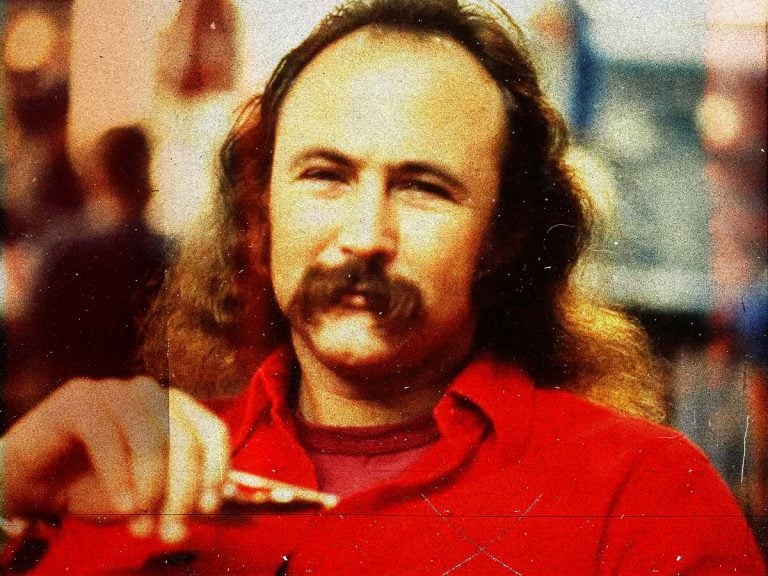
Or as David Crosby more bluntly put it, it sounded like “Somebody has smoked a joint and dropped acid… Their consciousness was completely different, and it’s a joy for that. They had a more sophisticated worldview, more understanding of human emotion, their storytelling had gotten better, and their musical experimentation had gone sky high. They were growing so fast you could hardly keep up.”
The compositional approach was the most changing element of their music, but luckily, the lyrics kept up. It would have been odd for John Lennon to pioneer the use of a reverse guitar part on ‘Tomorrow Never Knows’ and then marry it with lyrics of unrequited love or playground crushes. As everything became more spiritual and political, there was a fear that the world wasn’t ready for all of this. But there was a distinct sense within The Beatles that they were willing to give up roaring chart success for a more distinct artistic journey. However, to their surprise, they achieved both pretty quickly.
Did Revolver provide the first Beatles number one single not about love?
No, it wasn’t.
Even more surprising for the band was that their first single from this new world came from a track that didn’t make the final Revolver cut and was instead released as a standalone A-side (with ‘Rain’ as the B-side) in May 1966.
‘Paperback Writer’ was perhaps the perfect single to pick, though, as it really did act as a bridge between the past and the future, packaging the simple energy of their early work with the more psychedelic of Revolver.


But the oddest part of it all was that it was written by their chief romantic. Paul McCartney was always the member they would default to when looking for a chart-topping love song, but now he proved he could do the other stuff, too.
‘Paperback Writer’ portrayed a somewhat mischievous author writing a tongue-in-cheek letter to a publisher, hoping they would buy his book, and so didn’t have a single romantic line in it. It was reported that McCartney’s aunt was to thank for this shift, for she had been pestering him to change tack and move away from romance.
He said, “We always try to do something different. And this idea’s a bit different. Years ago, my Auntie Lil said to me, ‘Why can’t you ever write about a horse or the summit conference or something interesting? So I thought, ‘All right, Auntie Lil. I’ll show you’.”

Never Miss A Beat
The Far Out Beatles Newsletter
All the latest stories about The Beatles from the independent voice of culture.
Straight to your inbox.