


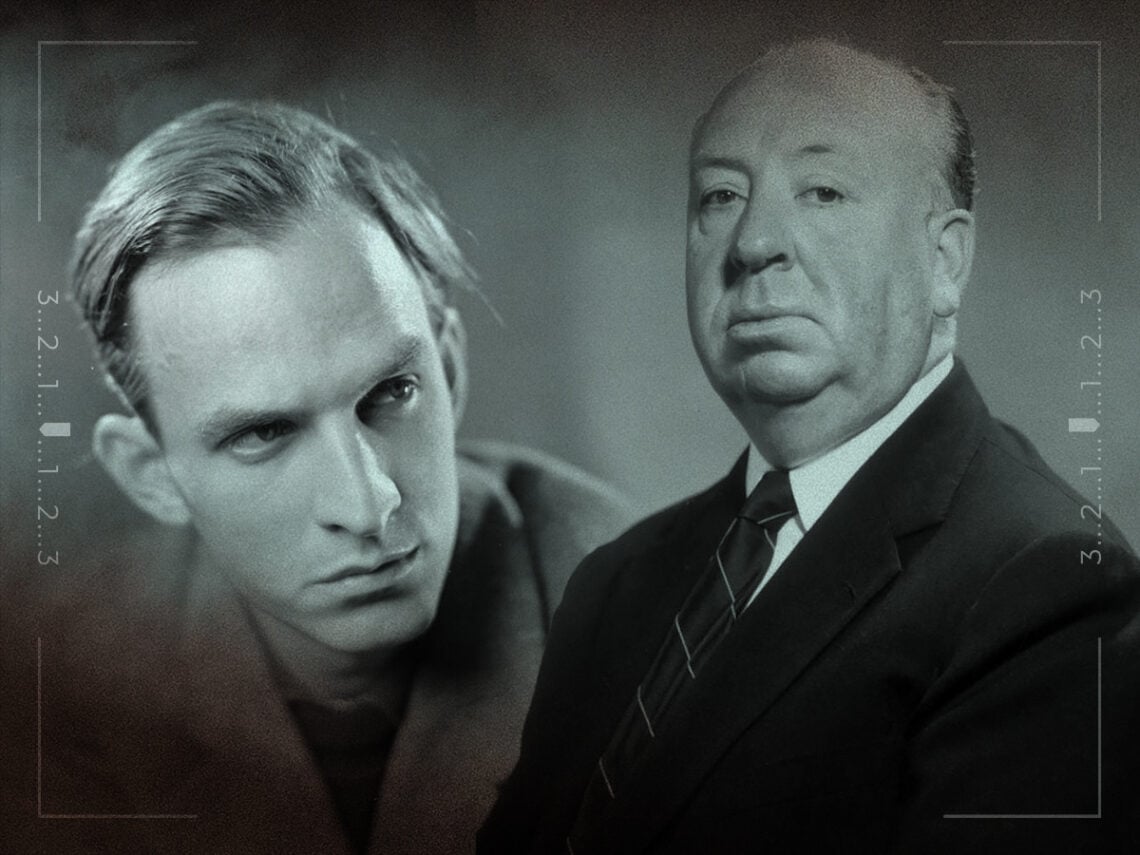
“He is completely infantile”: when Ingmar Bergman called Alfred Hitchcock a creep

If cancel culture was a thing when Alfred Hitchcock was operating at the peak of his powers, then the pitchforks would be out and being pointed in his direction.
While nobody can deny that he’s one of the most influential, iconic, and altogether greatest directors to ever pick up a megaphone, it’s also true that the ‘Master of Suspense’ had a reputation for being a lecherous sort, especially when it came to his signature blonde bombshells.
He did his best to sabotage Tippi Hedren’s career out of spite, never seemed to get over the fact that Grace Kelly left both him and Hollywood behind, and generally viewed his female characters as objects, although on the latter front, he was equally guilty with the men, since he didn’t view actors very highly.
Despite that, Hitchcock had an aversion to sex scenes, even if he claimed he was responsible for the most overtly sexual sequence ever committed to celluloid when Cary Grant and Eva Marie Saint’s train billows its way into a tunnel in North by Northwest. Metaphorically? Perhaps, but literally? Get a grip, Alfred.
As shocking as it may sound, there were people within the film industry who noticed Hitchcock’s unusual proclivities. It was hardly a secret, since he publicly declared that he hated pregnant women “because they have children” and not-so-coincidentally ditched Vera Miles as his prospective muse when she started a family, but it was Psycho that pushed Ingmar Bergman over the edge.
Offering an incredibly backhanded compliment, the brains behind The Seventh Seal and Wild Strawberries described him as “a very good technician.” That was true, since the filmmaker pioneered several techniques that would eventually become accepted and standard practices, but his seminal slasher left Bergman in no doubt over Hitchcock’s true feelings toward the opposite sex.
“He has something in Psycho, he had some moments,” the auteur offered. “Psycho is one of his most interesting pictures, because he had to make the picture very fast, with very primitive means. He had little money, and this picture tells very much about him. Not very good things.”
Not every movie needs to be a reflection on the personality or psyche of the person who made it, but when it came to Norman Bates, Bergman disagreed. “He is completely infantile,” the director suggested. “And I would like to know more, no, I don’t want to know, about his behaviour with, or, rather, against women. But this picture is very interesting.”
There was an Oedipal undercurrent running throughout several of Hitchcock’s films, but Psycho was the most blatant by far. He was a mummy’s boy who didn’t hold women in the highest esteem when he grew into a very portly man, and from Bergman’s perspective, that underlying creepiness was seeping through the screen.
