


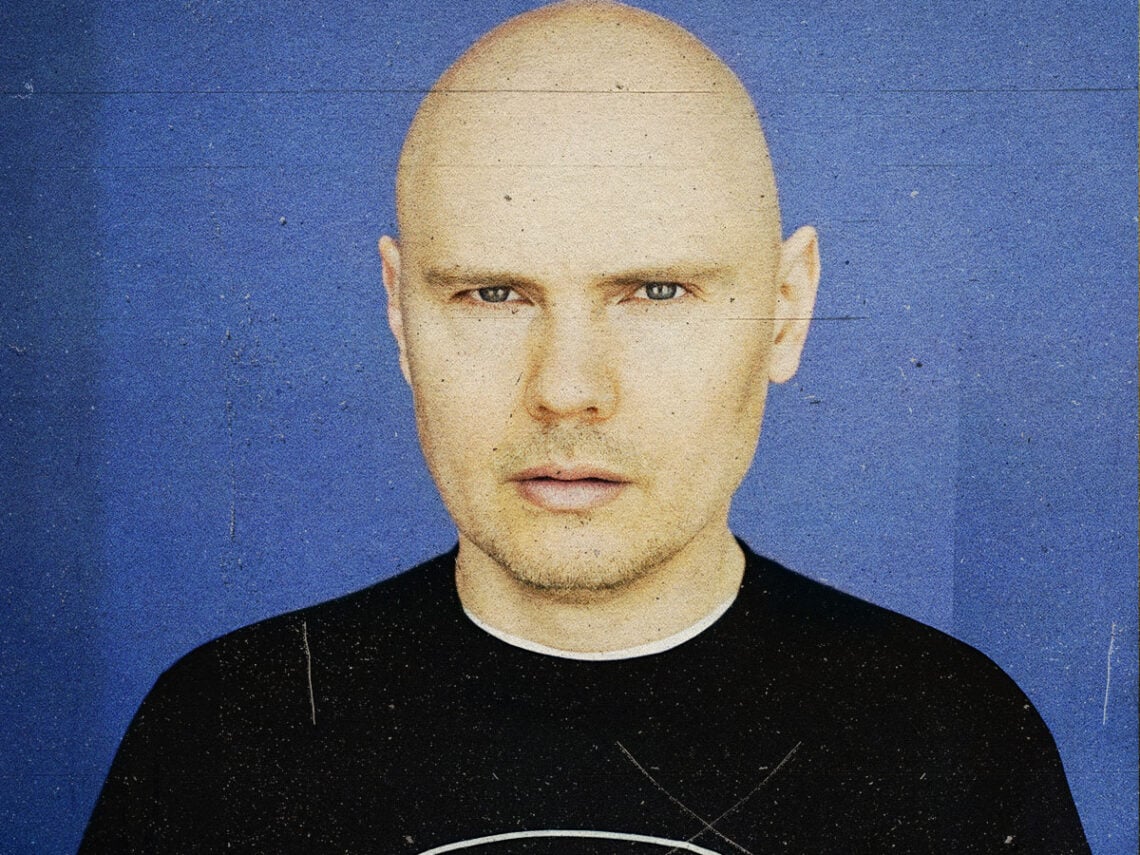
The influential guitarist Billy Corgan described as “mind-blowing”

Grunge was undeniably a transformative force that reshaped musical tastes and redirected cultural currents when it burst onto the scene in 1991. However, despite its fresh and revolutionary spirit, grunge wasn’t entirely a new invention; it was pieced together from existing influences. Nearly all of the genre’s pioneers drew inspiration from the classic rock era, including The Smashing Pumpkins frontman Billy Corgan. This connection to the past, combined with grunge’s raw energy and authenticity, helped create a sound that resonated powerfully with a new generation while paying homage to its roots.
While some grunge bands buried the influence of classic rock deep within their sound—like Nirvana’s Kurt Cobain, who fused Beatles-inspired pop melodies with the raw energy of punk—for others, the connection was more overt. Pearl Jam, with Eddie Vedder’s distinctive bellowing vocals and their blues-based riffing, are perhaps the group most closely tied to the classic rock era, with Alice in Chains following closely behind. Chicago’s Smashing Pumpkins also emerged from a musical context steeped in the legacy of the 1960s and 1970s, drawing heavily on the sounds and styles of those decades while contributing to the grunge movement’s broader narrative.
Although Corgan draws from a wide range of musical influences, the classic rock acts that played pivotal roles in making guitar music heavier and laying the groundwork for the metal genre had a particularly profound impact on his sound and approach. Bands like Black Sabbath, Deep Purple, Mountain, and Led Zeppelin left their mark on his work with The Smashing Pumpkins. Among these, Led Zeppelin’s Jimmy Page stands out as the most prominent influence on the band’s classic sound. Page, who first explored the idea of making psychedelic rock dark and ominous during his time with The Yardbirds, fully realised this vision with Led Zeppelin. Tracks like ‘Kashmir’ exemplify the explosive and esoteric qualities that became hallmarks of Corgan’s own music, echoing Page’s pioneering spirit.
Page was without a doubt the most muscular guitarist of the 1960s, with his trance-like, expansive sound pipping even that of Jimi Hendrix and firmly placing him at the head of the pack in the following decade. This truly atmospheric sonic character that he perfected on albums such as 1971’s Led Zeppelin IV and its successor, Houses of the Holy, opened the gates for players such as Corgan. He then brought his enormous and narcotic sound to life years later, evidenced by Smashing Pumpkins classics such as ‘Tristessa’, ‘Cherub Rock’ and ‘Geek U.S.A.’ steeped in his essence.
When speaking to Rolling Stone in 2012, Corgan named Page the player with the most “X factor” to him, describing the world he created as otherwordly. He said: “When you think of what Jimmy Page created, it’s kind of mindblowing.”
Corgan then revealed that he had once met Page and felt that there was a deeply “mystical quality” to his being. While he is no longer running around in a drug-fuelled haze as he did in his heyday in 1975, Corgan maintained that the English musician still emits the magic he imbued in his playing and captured imaginations with during the late countercultural period.
Corgan added: “When you think of Led Zeppelin music his guitar is almost like a lead vocal, so you almost have like two lead vocals, which is kind of the insanity of Zeppelin.”
That characterisation can also be used for The Smashing Pumpkins. While most rock fans are familiar with Corgan’s unique vocal delivery and often self-effacing lyrics, his guitar was always the vanguard of his band’s sound. Its ferocity and harmonious inclinations dovetailed perfectly with another powerhouse who straddles the emotional line, James Iha, creating many of the grunge era’s most potent moments.
