


The song George Harrison couldn’t stand listening to: “It’s so horrible”

Towards the end of The Beatles, it felt like George Harrison wasn’t getting any respect from his bandmates.
As they prepared to craft their back-to-basics album tentatively titled Get Back, Harrison was often cast to the side in favour of John Lennon and Paul McCartney working in tandem with each other. Rather than force his songs down their throat, Harrison went home and wrote a song of spite about his actions.
Effectively quitting The Beatles for a few days, Harrison returned to the fold with ‘Wah-Wah’, written as a direct retort to Paul McCartney. Since Macca had been known to limit Harrison’s involvement in a few of his songs, Harrison thought he would swipe back at the legendary bass player, writing lines about how McCartney doesn’t hear him crying or sighing.
Once the rest of The Beatles arrived at his house, Harrison was convinced to return to the fold. Although he would eventually give up great material like ‘Here Comes the Sun’ and ‘Something’, most of Harrison’s back catalogue was reserved for his debut solo album, All Things Must Pass.
Used as a way to get all of his songs into the open, the triple album experience comprises the best pieces of Harrison’s songwriting, from tracks about spirituality like ‘My Sweet Lord’ to the fallout of his old band on the title track. Not having to cower to McCartney’s rules anymore, ‘Wah-Wah’ took a prime spot on the track listing…though not without its fair share of problems.
At that point, All Things Must Pass wasn’t just an album, it was a release valve. Years of pent-up frustration and sidelined material were finally spilling out, and there was a sense that Harrison was determined to make every track count after being kept on the periphery for so long.
That urgency is what makes a song like ‘Wah-Wah’ feel so immediate. It isn’t just a swipe at McCartney or a relic of the band’s internal tensions; it’s Harrison reclaiming his voice in real time, putting his grievances front and centre without having to filter them through the Lennon-McCartney machine.
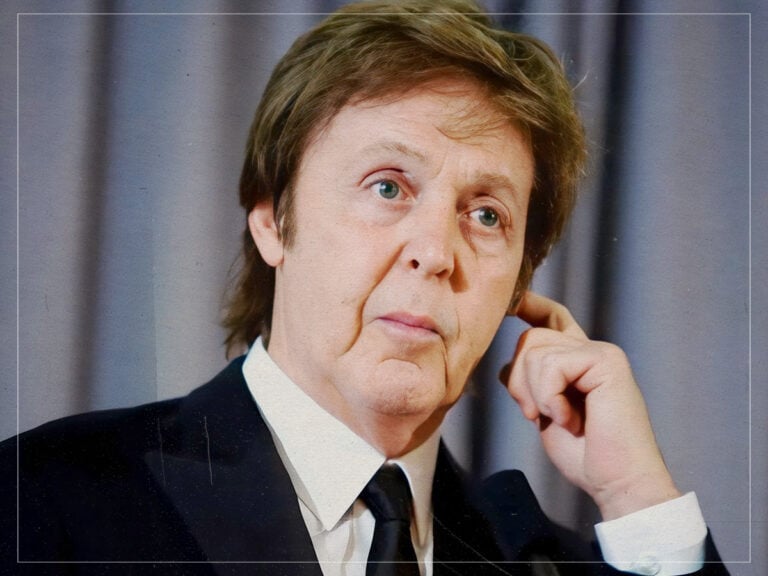
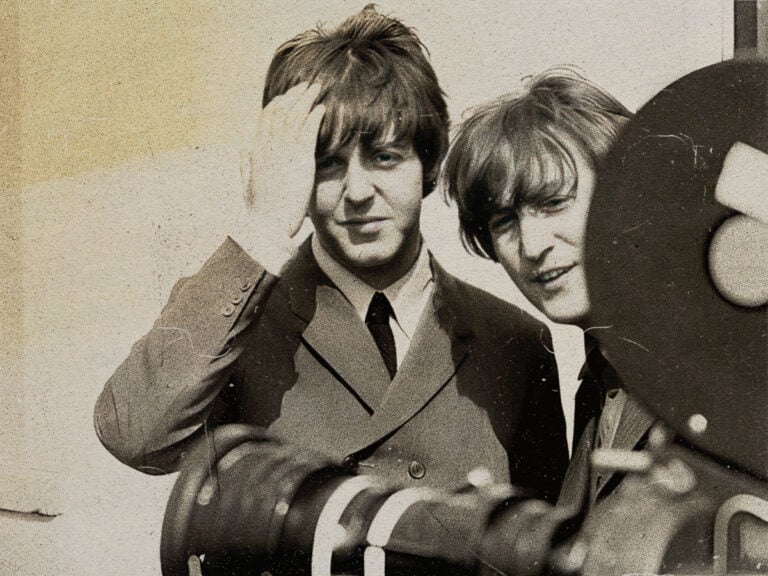

In that context, the production choices almost become secondary to the intent behind the music. Whether drenched in Spector’s reverb or stripped back to something more natural, the core of the song remains the same, a snapshot of Harrison stepping out from the shadow of The Beatles and finally saying exactly what he meant.
Needing a producer, Harrison decided to work alongside famous “Wall of Sound” producer Phil Spector. When first talking to Harrison about his songs, Spector recalled the vast amount of material he had to work with, telling Martin Scorsese in Living in the Material World, “I went to George’s house, and he said, ‘I have some ditties to play for you’. It was endless. He had literally hundreds of songs, and each one was better than the rest.”
While Harrison was not going to rest until his songs sounded the way he intended, he was horrified by the original version of ‘Wah-Wah’. Recalling years later, Harrison said that he thought that the reverb was horrible, recalling in a retrospective interview, “It sounded nice in the studio, no echo on it or anything. We went in to listen to it, and I thought, ‘I hate it. It’s so horrible’. Then Eric [Clapton] said, ‘Oh, I love it’. So I said, ‘Well, you can have it on your album then’, but I grew to like it.”
Despite Harrison’s objections, Spector’s signature style would become a crucial part of the album’s sound, with heavy amounts of echo in most of his classic songs. Since he had some issues with the final product, Harrison took it upon himself to make his songs sound slightly different on the album Living in the Material World.
Being a more spiritual companion piece to his debut, Harrison’s second album benefits from a slightly crisp production, letting the listener take in the sounds of musicians playing in the room. Harrison’s audience may have heard ‘Wah-Wah’ as he intended, but there’s still a bit of magic to hearing the band at full blast with Spector’s production touches.
