


If you really want to rage against the machine, start a jam band

Punk music came at a time when it was desperately needed, and while bands like the Sex Pistols and The Clash might sound tame compared to today’s standards, their style was essential, such that I could tell you about the state of Britain in the mid to late 1970s, but you should rather hear it from John Lydon himself.
Lydon painted a pretty morbid picture of what the country was like, both societally and economically, which led to a load of angry adolescents screaming down microphones about how much they hated everything. He described Britain as “a very depressing place,” before adding, “There was trash on the streets, total unemployment; just about everybody was on strike, if you came from the wrong side of the tracks, then you had no hope in hell and no career prospects at all […] Out of that came the Sex Pistols and then a whole bunch of copycat wankers after us.”
He’s right, poverty in the UK was at an all-time high in the ‘70s, particularly towards the back end of the decade, where housing conditions were poor, unemployment was high, and inflation continued to rise. Life wasn’t enjoyable for a lot of people, but the help they got from the government was minuscule, and as such, frustration ran rampant in the streets of the United Kingdom. Music has always provided escapism for a lot of people. No matter how bad life gets, if you put on some earphones and play one of your favourite records, chances are, you can let yourself go for a few minutes; however, even this was becoming less and less accessible.
Rock music was changing; gone were the days of the four-chord ballad, the grounded approach to sound, and instead, the world was praising the likes of psychedelic and progressive rock. Granted, these are genres that a lot of people enjoyed, but for many, they were too over the top and unpredictable to engage with. On top of that, the rock bands they did like were all too famous, they would play expensive gigs in massive arenas, and the only way people would be able to catch them performing was by sitting in a seat where the artists themselves were so tiny and unrecognisable, they may as well have been a tribute band.
So, the world was shit, and music was no longer a good source of escapism, and hence people fully leaned into the chaos and wrote songs that were a reflection of how they felt in that moment, with ‘Fuck the Queen, fuck the government, fuck posh wankers’ (or words to that effect) being screamed down a cheap microphone over three distorted chords played badly. It sounded poor, but that’s not what mattered, because what mattered was that it existed, and it was a release for the bottled-up frustration that so many had been feeling.
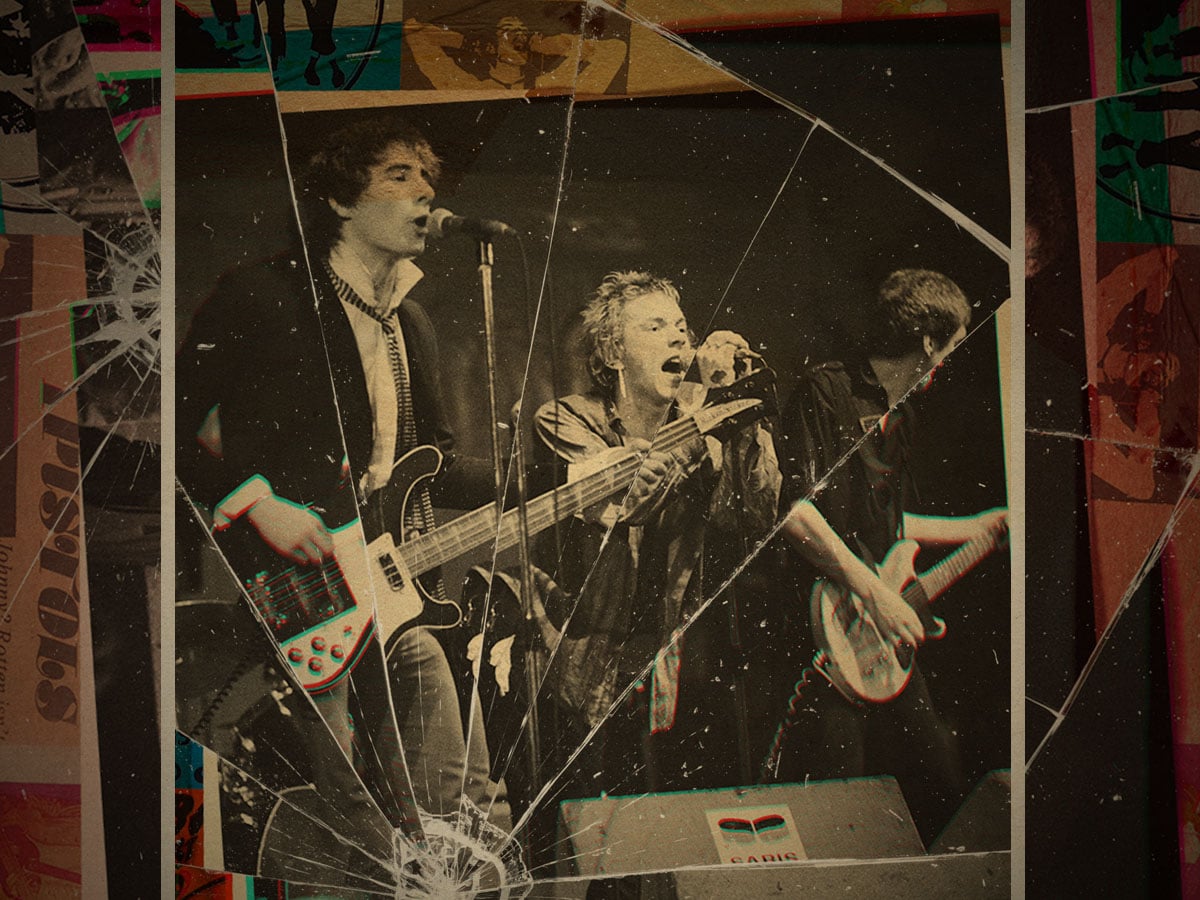
This worked for the public too, because they could listen to this music and tap into their anger in a healthy way. Additionally, they could go to gigs, flail their arms around, start mosh pits, and sweat out what, if left inside their bodies, would only have escaped as tears. The 100 Club, for many, was less of a venue and instead a rage room where you could buy beer. It worked in the ‘70s because music had a very specific mainstream, and as such, punk stood at the forefront of counterculture. Things have changed now for a number of reasons, and that means that punk music, while still a great release for the bands, doesn’t quite land with the public or address broader issues quite as well.
The first reason is that we don’t have a mainstream culture anymore. Sure, you have some pop stars who are a lot more popular than other musicians, but they don’t dominate the things you watch and what you listen to like they used to. Thanks to streaming services and an overreliance on algorithms, the content you’re fed on social media and music sites tends to be a reflection of your taste. Taylor Swift might be the biggest pop star in the world, but if you predominantly listen to noise rock, chances are you’re not stumbling across her music naturally.
Without a dominant mainstream, punk isn’t the forefront of counterculture; it’s just its own culture. People who like it are exposed to it, and they enjoy listening, but it doesn’t rage against a system because those who disagree with the sentiment of punk are unlikely to actually come across it. There are exceptions to this every now and then, where a band like Kneecap or Bob Vylan will make national news, but these instances are few and far between, and are often more about what a band has said or done as opposed to the music they’ve made. The rebellion has been taken out of punk music because it’s not really rebelling against anyone. What use is the statement “fuck the Queen”, when the only people who will hear it are those who already can’t stand the royal family? “Fuck the Tories” shouted at a Green Party rally isn’t counterculture, it’s just the culture.
On top of that, music can’t keep up with politics anymore because of how quickly we are exposed to different political opinions. If Labour announces a new policy tomorrow morning, then by lunch you already have full coverage of that policy, as well as opinion pieces published by different news outlets, social media accounts and content creators. In the weeks or even months that it would take a punk band to write a song about the same topic and get it out into the public, people will have forgotten that the thing being written about even happened in the first place.
Punk music can’t talk about specifics, because they will become old before the song is even out. However, the blanket statements of ‘fuck this’ and ‘fuck that’ also can’t land because they’re heard by people who agree, and those who agree will likely have already come across information that lays out in detail why they should despise the thing the song rebels against. These broad exclamations contained within music aren’t explaining anything, nor are they revealing anything to the world, but are just reaffirming ideologies in a more dumbed-down way. Capturing how the public feels, capturing their anger, fear, and the sadness which resonates around society can no longer be accomplished by punk bands. Instead, we must turn to jam bands.
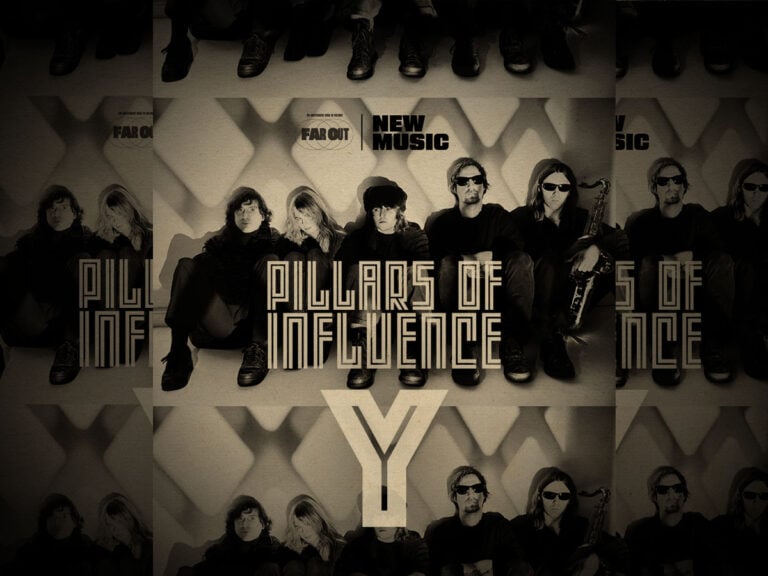
There are some genres of music which have always had improvisation at their heart. The two major ones are the blues and jazz; however, there are some bands from other genres that like to improvise and jam as part of their set. One of the most well-known groups that did so was the Grateful Dead, who have had more number one albums than any other artist because of how much fans love to buy recordings of their live shows. Additionally, at a recent gig in Sheffield, the punk band Maruja dedicated about 15 minutes of their set towards playing a completely improvised piece of music.
It was this moment that led me to believe that jam bands are the best new form of punk. Punk music can still champion the mindset of people well, but in a world where moments are hard to come by because of how heavily documented everything is, punk feels more like a remake of a remake of a remake of an original idea. Moments of improvisation can only and will only ever exist in that moment. All of your fear, rebellion, revolt, disgust, and anger, all of the emotion which exists in that room and outside of it, are condensed into a very specific section of music played by a band who are equally feeling those feelings.

“Each piece of improvisation is unique and has its own energy attached to it. We write all our songs with improvisation as the foundation. Before picking up our instruments, we tend to talk to each other about whatever’s on our minds, be it mental health struggles we’re facing, other art we’ve consumed or war around the world,” said Maruja when I asked them about using improvisation within their music, “These emotions and stories naturally bleed into the energy of the music created.”
They continued, “These emotions and stories naturally bleed into the energy of the music created. It’s slightly different for the live shows, as we obviously don’t communicate verbally with each other before ripping into jamming, so that energy comes from the crowd a lot of the time. The crowd’s reactions, movement and vibrations leading up to the jam section will definitely affect our feelings going into it.”
Punk worked originally because there was a definitive mainstream. The genre took the counterculture’s attitudes towards the mainstream and projected them in a way that people could finally engage with. Now, in lieu of such a mainstream culture, and in a world where people can project their discontent themselves and experience it through other means, the genre doesn’t fit its original purpose.
For music that is a true reflection of a generation’s rebellion, and that can take what is happening in the world and project it sonically, bands need to improvise more and channel their anger in the specific moment that their music occupies. Punk isn’t punk, it’s affirmation, and jamming is music’s new form of anarchy.

Never Miss A Beat
The Far Out Punk Newsletter
All the latest Punk content from the independent voice of culture.
Straight to your inbox.