


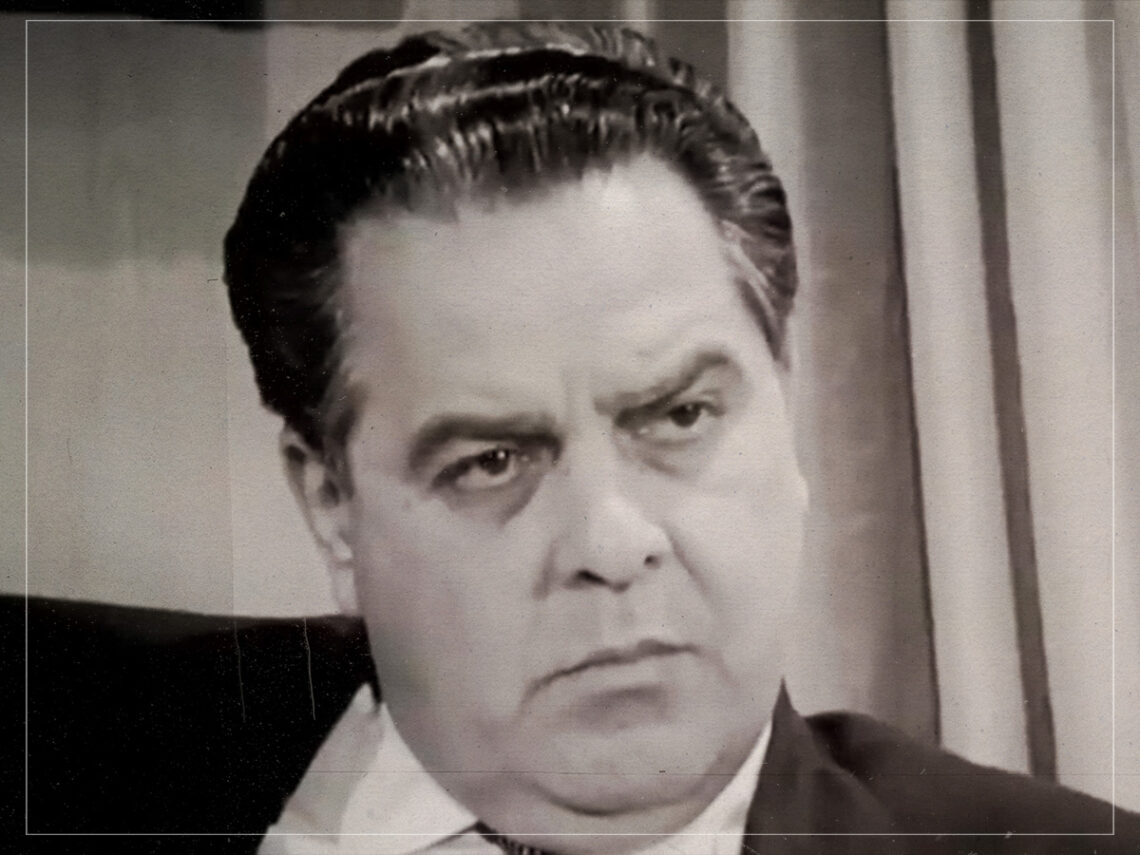
“Hell no, it’s weird!”: the iconic movie Cubby Broccoli wanted absolutely nothing to do with

The first thing that will always come to mind when anyone thinks of or mentions Cubby Broccoli is the James Bond franchise, which is fair enough, since it’s one of the most iconic properties in cinema history.
The most famous non-007 film he ever produced is comfortably Ken Hughes’ 1968 classic, Chitty Chitty Bang Bang, which continues to accidentally strike fear into the hearts of each generation that discovers it for the first time, but the rest of his output away from international espionage wasn’t too memorable.
Broccoli backed a succession of forgettable, B-tier British flicks throughout the 1950s, and it’s unlikely that he’d be remembered today if his major contributions to the industry were the medieval adventure, The Black Knight, the black comedy How to Murder a Rich Uncle, and the war drama, No Time to Die, a title that would come in handy for his production company more than 60 years later.
Bob Hope’s Call Me Bwana and Chitty Chitty Bang Bang were the only pictures that he backed after Sean Connery had introduced MI6’s finest to the cinemagoing audience in 1962’s Dr No, and as the overseer of all things Bond, it took up most of his time anyway. Broccoli was the ultimate decision maker and the head of the table, but there were opportunities for him to expand his horizons.
He could have been involved in an Academy Award-winning, iconic, and influential genre-bender after he was asked if he’d be interested in lending his name, clout, and assistance, only for the indignant Eon Production co-founder to baulk at the very notion of John Landis’ An American Werewolf in London.
The director of Animal House and The Blues Brothers reaching out to the mastermind behind Bond’s expansion into an international juggernaut wasn’t as strange as it sounds; several years previously, Landis had been tasked by Broccoli to write a treatment for The Spy Who Loved Me, although his pitch was ultimately rejected, which didn’t stop him being offered a directing gig in the late 1980s.
They’d remained in touch, and having unsuccessfully attempted to scratch Broccoli’s back by devising a plot for Roger Moore’s third appearance as 007, the favour was returned when Broccoli refused to scratch his. He did at least read the screenplay, but it didn’t take him long to reject the offer. Or, to be more accurate, Landis vividly remembers his exact words: “Hell no, it’s weird!”
“No one would make this fucking movie,” the director added. “There hadn’t been a werewolf movie in years, and when I finally got the opportunity to make it, there was The Howling, Wolfen, Teen Wolf, Full Moon High, there were like five werewolf movies, so it was a zeitgeist.” A zeitgeist that Broccoli could have been a key part of, had he not found the script too weird for his liking.
George Folsey Jr ended up producing An American Werewolf in London instead, and reaped the rewards when Landis laid down the marker for the modern horror comedy, shocked audiences with Rick Baker’s incredible practical effects, and steered the low-budget affair to a massive return on its investment.
