


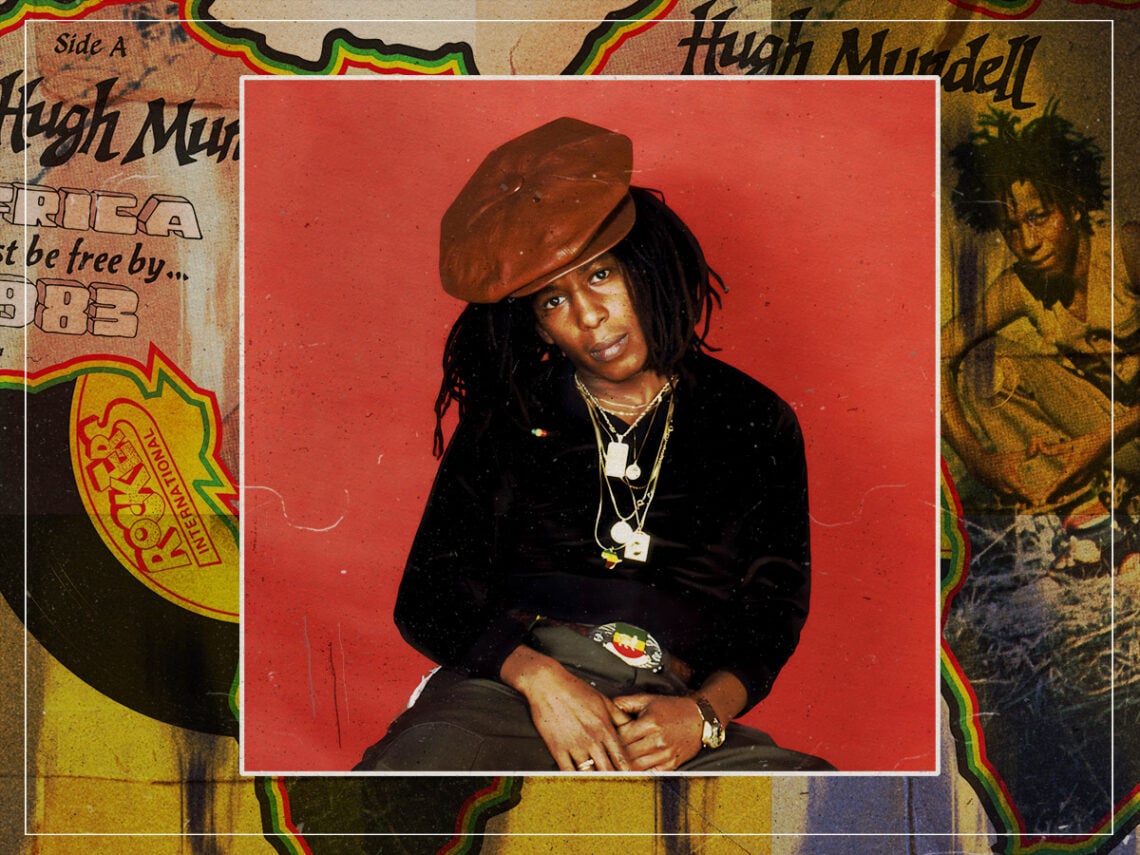
Hugh Mundell: a reggae legend at 16, murdered at 21

For a musical style so often characterised by optimistic and joyous tracks espousing the joys of the island of Jamaica, reggae music has seen its fair share of tragedy. From the untimely death of Bob Marley to the murder of legendary dub producer King Tubby, reggae music has often found its place promoting joy as a means of protest and resistance. However, few stories within the reggae world are as tragic as that of Hugh Mundell, the child prodigy whose career was sadly cut short.
Mundell’s father, Alvin, might have hoped for his one and only son to follow in his footsteps, becoming a successful lawyer, but Hugh had other plans. After all, Hugh grew up in 1960s Jamaica, a period that saw a post-independence cultural boom, with the rise of ska and rocksteady music as well as soundsystem culture. If that wasn’t enough, the Mundell family was close friends with none other than Boris Gardiner, the legendary songwriter who would find global success with tracks like ‘Elizabethan Reggae’, which became an anthem for the early skinhead subculture in Britain.
Thus, Hugh Mundell’s fate was sealed; he was to become a reggae singer. Of course, countless young hopefuls in Jamaica had this same dream, but few of them were blessed with the same vocal talents as Mundell. At the age of only 13, the young prodigy found himself in the studios of iconic reggae producer Joe Gibbs, watching Winston McAnuff record the seminal track ‘Malcolm X’. Gibbs invited the young man to try his own hand at singing, recording ‘Where Is Natty Dread?’. Although the song was never pressed to vinyl, it still provided that first vital step in Mundell’s career.
The sessions with Gibbs did not go unnoticed, and before too long, producer Augustus Pablo invited the young star to record some tracks. As Mundell recalled, in a 1980 interview with Sounds, “He asked me to come and do some recordings for him, so I said ‘Yeah!’ So I went by his house and started rehearsing, and he created the rhythms. The following Saturday, we went to the studio where we recorded my first two songs for release called ‘Africa Must Be Free’ and ‘My, My’.”
At the age of 16, Mundell released his debut LP, Africa Must Be Free By 1983. Released by Message Records in Jamaica and Greensleeves in the UK, the album quickly established Mundell among the most promising young artists of the reggae genre. This reputation was boosted by the sheer volume of iconic reggae figures that had a hand in creating the album, including Lee “Scratch” Perry, who took on production duties for ‘Let’s All Unite’ and ‘Why Do Black Man Fuss & Fight’.
The next few years saw Mundell build his career, touring all over the globe as well as establishing a successful sound system in Jamaica under the name Jah Levi. However, his success would be tragically short-lived. In October of 1983, Mundell found his house had been ransacked and promptly turned the perpetrator to the police. Days later, on the 14th of October, the man’s brother approached Mundell’s car, demanding the release of the burglar. After an argument, Mundell was shot to death in his car, sitting beside his wife, with dancehall deejay Junior Reid in the backseat.
Two years after the murder of Mundell, 25-year-old labourer Ricardo Codrington was sentenced to ten years imprisonment for manslaughter. Although the murder may have provided an untimely end to the promising career of the reggae star, it certainly did not damage his legacy. His murder left some unanswered questions about how his discography might have progressed, but it did nothing to damage the quality of the record he had already released. To this day, the recordings he had made as a teenager remain some of the defining reggae tracks of the late 1970s.
