


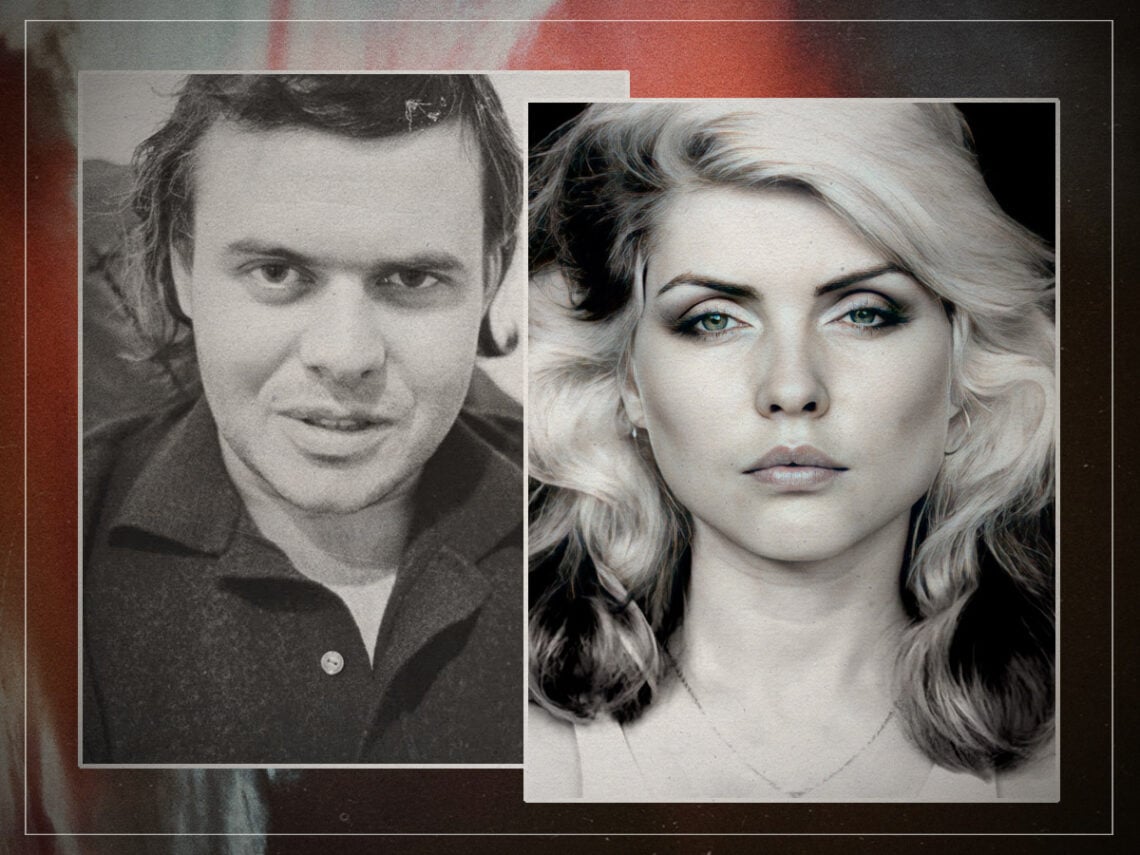
An outrage too far: How HR Giger derailed Debbie Harry’s solo career

By 1981, Blondie was the biggest pop group on the planet. Wrapping their power pop romanticism and New York cool with an eclectic mosaic of musical flavours across disco, reggae, and even early hip-hop, Blondie entered the decade as the CBGB punk cohort’s biggest success story—Talking Heads swiftly gaining pace behind them.
Taking a break after 1980’s Autoamerican and that year’s monster ‘Call Me’ single, Blondie singer Debbie Harry and guitarist Chris Stein headed to Power Station studio with Chic’s Nile Rodgers and Bernard Edwards to cut Harry’s first solo record. Dropped the following year, KooKoo was met with lukewarm critical and commercial reception, enjoying relative success in the UK but languishing at a relatively lowly number 25 on the Billboard 200.
However, KooKoo‘s cover shocked the press and music fans at the time. Recruiting Swiss surrealist artist HR Giger, responsible for the creature design in 1979’s Alien, he took a headshot snapped by British photographer Brian Aris and doctored the image with four large nails skewered into the left side of her face amid a ghostly fog of lightning and exotic mysticism.
While certainly turning heads in the States, KooKoo‘s arresting cover faced a bigger clash in the UK, despite its chart success there, and derailed the promotional momentum of her solo debut.
Television commercials were unaffected, but the British Posters Advertising Association ensured the UK high streets refused to display KooKoo‘s cover following London Transport’s outright ban on its carriages and stations. “The poster is artistic,” Harry retorted, adding, “I didn’t see it until it was finished, but I think it is great.” Despite efforts by the Chrysalis label to convince otherwise, the British authorities weren’t budging: “…the ban is ridiculous when you consider the sort of posters which exploit women and advertise violent films”.
As ever, controversy and top-down censorious zeal can generate publicity any artist’s PR team could only dream of, KooKoo sailed to number six on the UK Albums Chart despite its marketing headaches. It’s hard to see just what generated the shock and horror from today’s vantage. There’s no blood, gore, or wounds, and Harry emits a cool expression on her face, free of suffering. While Giger’s creative portfolio is much more unsettling in its nightmarish meld of violence and sexuality—landing Dead Kennedys in serious legal troubles with 1985’s Frankenchrist gatefold—the album’s main influence came from more banal origins.
“Recently I’ve been trying acupuncture, hence the needles as well as the ‘punk’ with the word acupuncture,” Giger revealed in a press release at the time. “I’m continually showing in my work the idea of metamorphosis. Most of all, I believe that beauty is in the eye of the beholder. Therefore, art became an entirely personal and unique meaning as defined by the observer.” Despite Harry’s diffidence with the punk tag, the album’s concept stuck.
Giger would handle KooKoo‘s art direction beyond just the cover. Inviting Harry to his Zurich studio, two promos for ‘Backfired’ and ‘Now I Know You Know’ were shot with his distinctive biomechanical creations as alien backdrops and costumes.
