


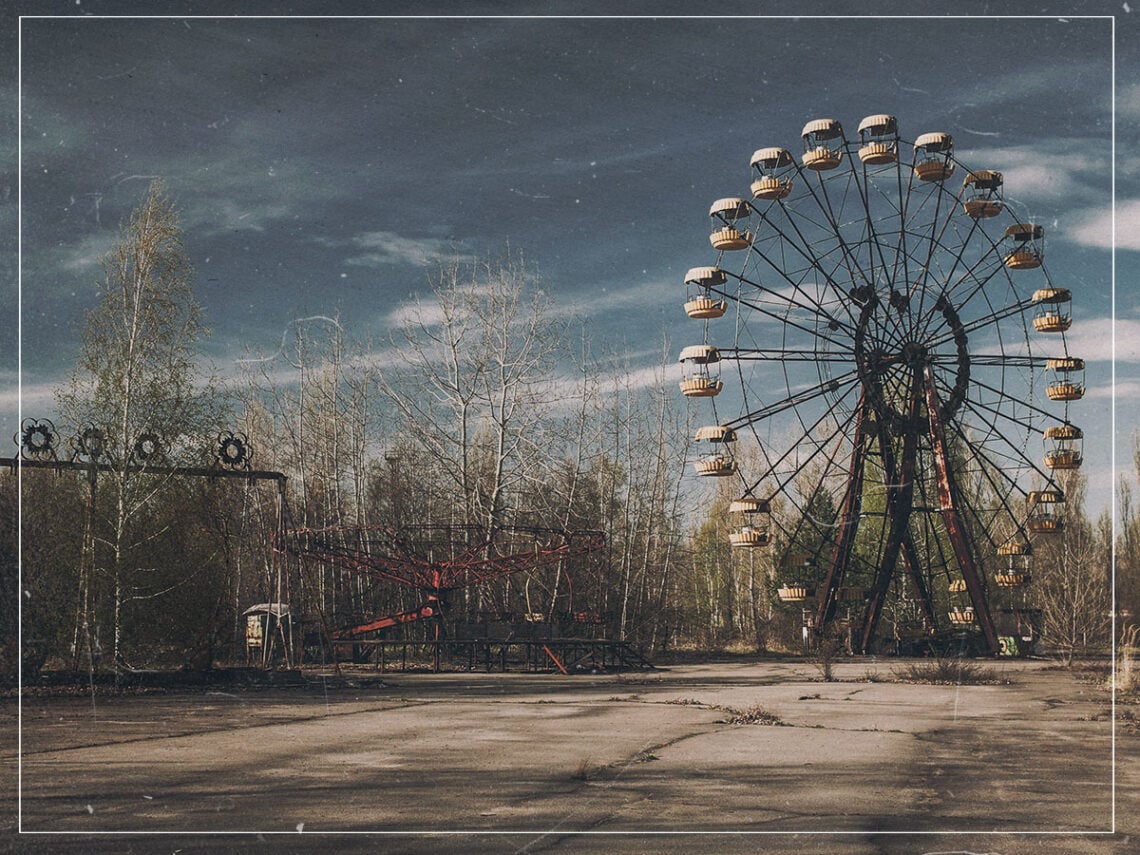
How wildlife reclaimed Chernobyl

In the aftermath of a disaster, wildlife flourishes, liberated from the constraints of human interference. Here, amid the serene landscape bathed in the gentle glow of a silent, pink moon, animals roam freely, finding solace in the company of their fellow species. The ambient symphony is composed solely of the melodic calls of birds and the howls of wolves, creating an atmosphere where time appears to stand still. Such a haven exists in the expanse surrounding the Chernobyl power plant.
Of course, the factors enabling the animals to reclaim the area are shrouded in the shadows of human history. The Chernobyl nuclear disaster of 1986 stands as one of the most catastrophic events, leaving a lasting impact on the environment and the lives of those in its vicinity. While the immediate aftermath was marked by tragedy and displacement, the subsequent decades have witnessed an unexpected phenomenon.
The exclusion zone, spanning over 2,600 square kilometres, has become a unique study of nature’s resilience and ability to bounce back remarkably. It has also become a laboratory for studying the impact of radiation on flora and fauna. Nuclear disasters have catastrophic consequences for humans, yet the repercussions for animals may be entirely different.
In recent years, scientists have discovered that the territory surrounding the facility, inaccessible to humans for years, has become inundated with Lynx, bison, deer, and various other animals that freely roam through dense forests within the exclusion zone. As a result, the zone has unintentionally evolved into the third-largest nature reserve in mainland Europe, serving as an unexpected yet iconic experiment in re-wilding.
Although there’s a common misconception that the Chernobyl site is merely an abandoned, dystopian wasteland, the truth reflects narratives found in science fiction and recent television productions. The process of reclaiming land and highlighting the adverse effects of human interference is extensively documented in both factual programs and fictional narratives.
In The Last Of Us, for instance, a fungal infection devastates humanity, leading to the collapse of civilisation. As society crumbles, nature reclaims urban environments, with overgrown vegetation and wildlife becoming more prevalent. This illustrates the idea that, without human influence, the natural world can quickly reclaim the spaces we once dominated.
While wildlife may benefit from reduced human intervention in some cases, in areas where human activities are minimal, ecosystems may experience more stable climates, allowing species to adapt and thrive. In the case of Chernobyl, it prompts contemplation on the resilience of nature and the unintentional positive consequences of a disaster that initially seemed to leave only devastation in its wake.
