


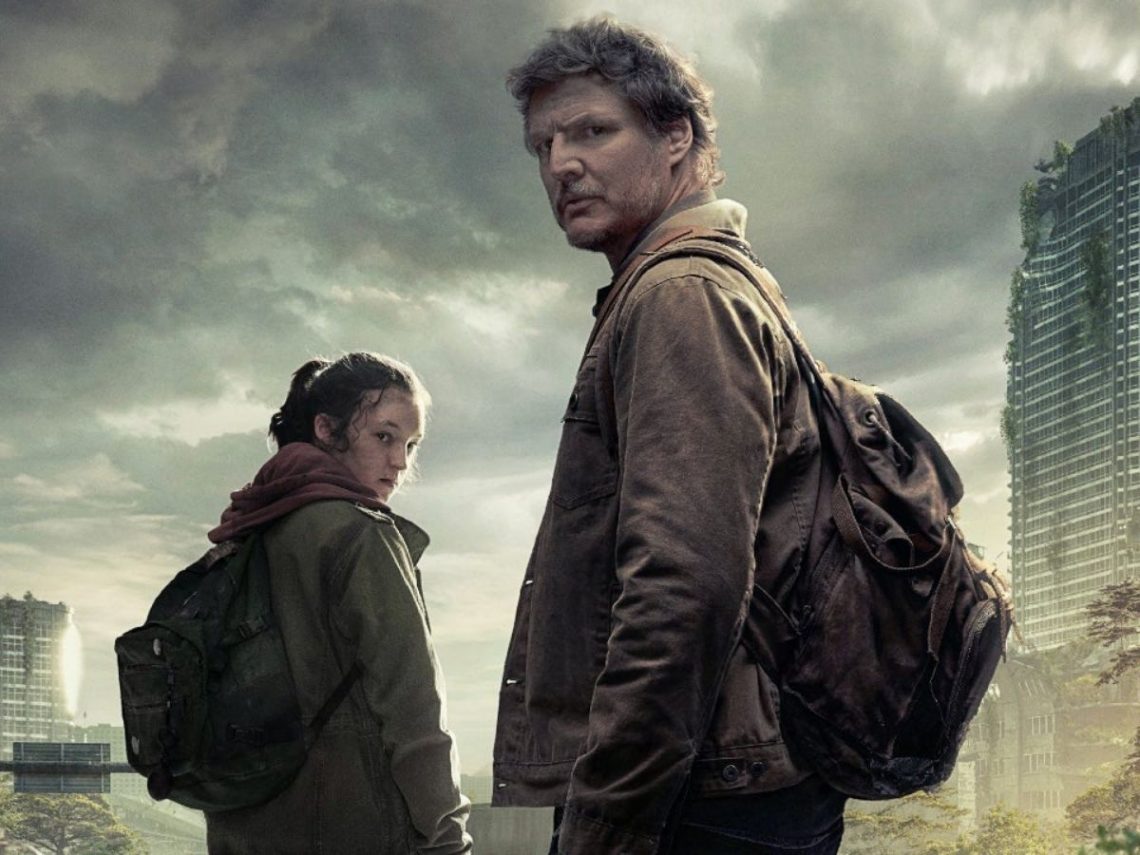
‘The Last of Us’ creator explains how Vince Gilligan inspired the show

The 21st century has been blessed with many excellent TV series, ranging from The Wire to Succession. One of the most significant is Vince Gilligan’s crime drama Breaking Bad, which ran on AMC between 2008 and 2013. A masterclass in all areas, it spawned the spin-offs Better Call Saul and El Camino, with Gilligan’s work proving profoundly influential. Demonstrating this, it transpires that the writers of HBO’s The Last of Us, the latest hit show, took cues from Vince Gilligan and his work.
Notably, The Last of Us is a post-apocalyptic drama created by Craig Mazin and Neil Druckmann based on the 2013 video game of the same name. Starring Pedro Pascal and Bella Ramsey, it is set in 2023, 20 years into a pandemic caused by a fungal infection. The disease causes hosts to transform into zombie-like mutants, and civilised society collapses.
At the start of some episodes of The Last of Us, a few minutes are spent telling the audience a story outside of protagonists Joel and Ellie in separate storylines. For instance, episode one, ‘When You’re Lost in the Darkness’, opens with an interview set in 1968 where an epidemiologist discusses his fears of fungi altering a human’s mind and killing the host from the inside. Then, episode two, ‘Infected’, starts with us watching the scientist’s fear becoming a reality. Cordyceps infect a woman in Jakarta, Indonesia. This marks the end of human civilisation.
Recently, when speaking on HBO’s The Last of Us Podcast, Craig Mazin revealed he’s a big fan of Vince Gilligan’s efforts. He stated that he and Druckmann attempted to emulate the “disorientation” that the Breaking Bad creator perfected at the start of his episodes.
Mazin said: “Every start is a new opportunity to reorient people or to disorient people. I’m particularly fond of disorientation. I’ve been watching Vince Gilligan do this forever. You have this five-six minutes at the beginning of every episode of television where the audience is the most open and receptive they’ll ever be. They’re willing to be confused, mystified, puzzled, As long as you get them, ultimately on solid ground.”
He then explained how these types of forewords were utilised to inform viewers about the worldwide effect of the infection: “I think we knew we wanted to give a little bit more of an origin story. We wanted to see what it would really be like at the very, very beginning because we’re all pretty smart about this stuff now, and we wanted to show also that it was global. That this wasn’t something that was just happening in America, this was the world.”
