


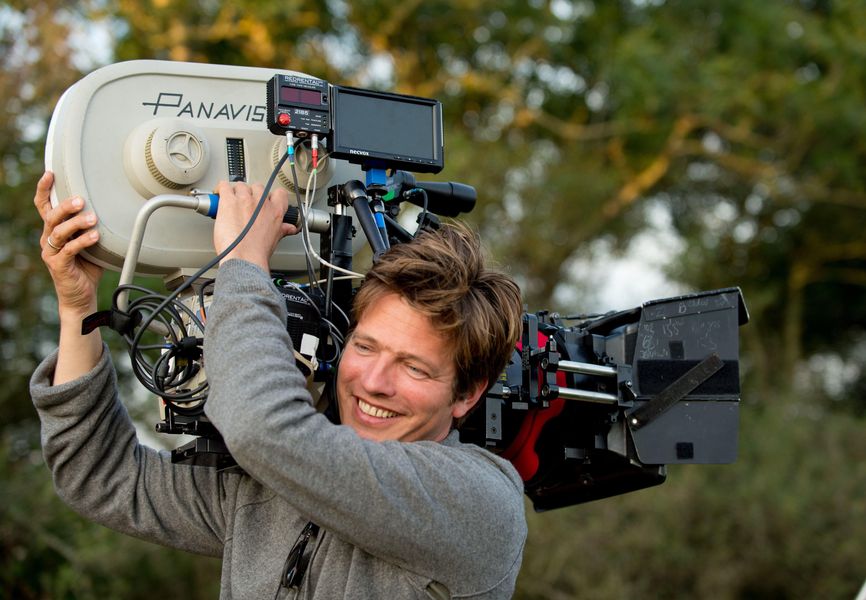
How Thomas Vinterberg changed cinema forever with one movie

While we’ve seen many stories that have focused on dysfunctional family dynamics, perhaps the first to ever to do it was Thomas Vinterberg, the Danish director who forged a dauntless reputation for himself through his involvement in the Dogme 95 movement. Through recent films such as The Hunt and Another Round, Vinterberg became known for a bittersweet tone that encapsulates all the highs and lows of life, sometimes focusing on the darkest points of a character’s life, such as the relentless stream of accusations and bullying that Lucas is subjected to in his controversial spin of the ‘boy who cried wolf’ fable. The director has frequently made use of Mads Mikkelsen’s staggering talents, showcasing the depths of his vulnerability and ability to emotionally shatter audiences with just a single look.
However, while he has expanded his tone to include a more positive outlook in recent years, something that could be related to his personal life and a need to reinforce a sense of hope, the director is inseparable from the Dogme 95 movement after his 1998 film Festen.
Festen, which translates to The Celebration, follows the family of a wealthy businessman who reunite over one weekend for their father’s birthday, with the eldest son revealing a secret that destroys the happy family facade.
The Dogme movement was crucial within independent cinema for simplifying film production and making the medium more accessible. Other directors like Lars Von Trier and Susanne Bier became strict followers of this creative regime and used it to show audiences that the medium could be equally powerful when executed with limited budgets.
While films like Dogville and Open Hearts used the freedom of this manifesto in different ways, the stripped-back look of Dogville had a unique effect on the story due to the staging of the story as a play. Festen is perhaps the greatest example of how effective a film can be when created through the movement’s simplistic demands.
The tension is spectacularly heightened through the handheld camera and sparse sound design, with the story flickering between different perspectives and capturing the chaos of this family gathering in a way that places the audience directly in the middle of the drama. Vinterberg shoots it in an inescapable and suffocating way, surrounding us with the complexities of each strained relationship and offering no respite from the pain induced by the forced celebrations.
While the visual style is certainly a stand-out element, and you can see why it launched the movement and Vinterberg’s subsequent career, the film would not be as successful if it weren’t for the loaded performances and genius script, with each encounter revealing the consequences of repressed trauma and emotional abuse as the siblings both deal and avoid their experiences in very contradictory ways. After the grand truth is revealed, Vinterberg highlights the corruption at the heart of the family and continues his satire of wealth and privilege, exploring this through the unveiling of prejudices, abuse of power and emotional manipulation that defines this family.
But most importantly, his use of dark humour is crucial in heightening this dynamic, capturing adults who have been emotionally stunted through repressing their trauma, with the absurdity of their reactions showcasing the truly insidious actions of their father and the power he holds over them.
Independent cinema would not be where it is today without the triumphant force that is Festen, and Vinterberg will forever be one of the most influential directors in the industry for his incisive understanding of human evil and the fears that plague all of us, capturing this through his unflinching and confrontational gaze.
