


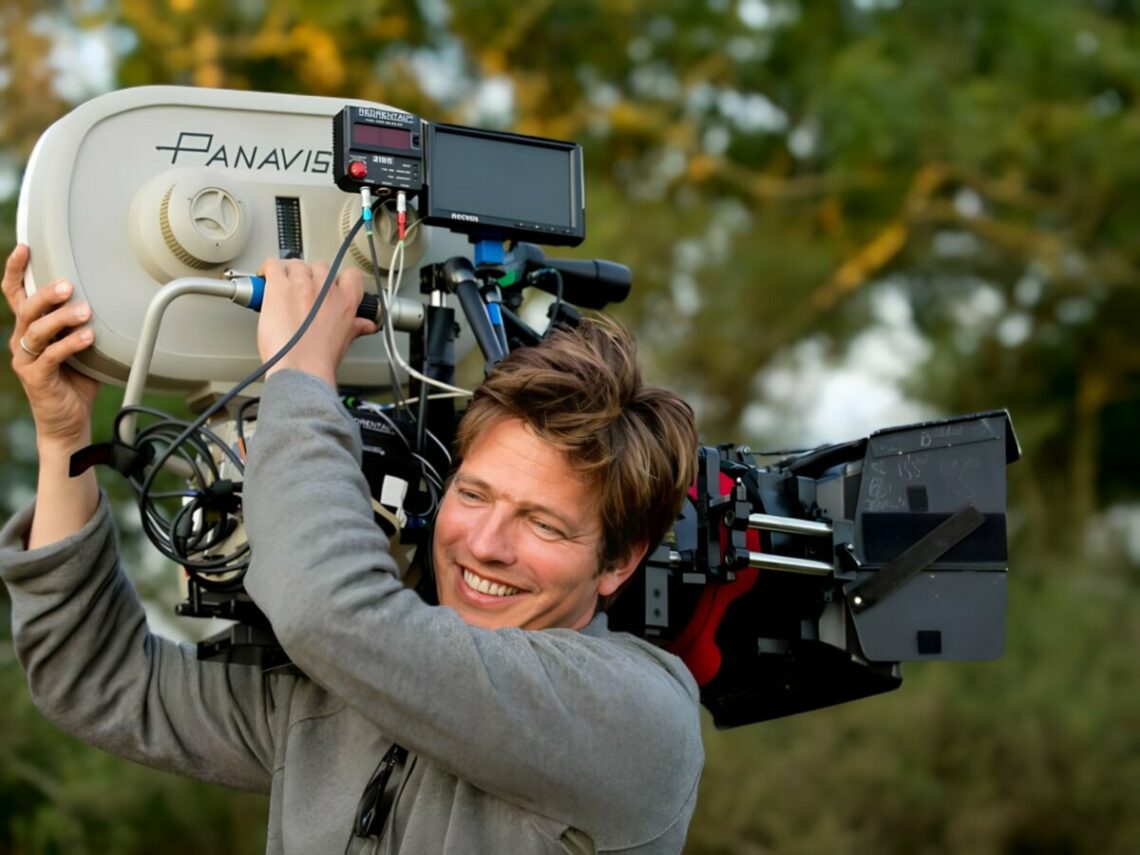
Thomas Vinterberg: a new shift in perspective

Thomas Vinterberg has always displayed a bleak sense of nihilism and cynicism in his work, with films like The Celebration and The Hunt relishing in uncomfortable revelations, twisted truths and sickening family dynamics, painting a truly ugly portrait of humanity that dwindles your sense of hope entirely. The Dogme 95 director built a reputation based on these qualities, with provocative and slightly repulsive stories that feel almost suffocating in their discomfort, trapping you in the misery of the main character by creating an unrelenting and visceral viewing experience. However, while Vinterberg is known for his avant-garde filmmaking style and exploration of daring subject matter, there has been a tonal shift in his more recent projects that highlight a new path for the director, which is perhaps influenced by the tragedies in his own personal life.
Another Round, released in 2020, follows a slightly depressed high school teacher called Martin, who joins his friends on a social experiment to drink small amounts of alcohol to maintain a low level of intoxication, thought to significantly improve the quality of life. However, as they venture deeper into this challenge, it begins to have adverse effects on their personal lives and careers.
The film reunites the director with many of his most trusted collaborators, with Mads Mikkelsen giving a beautiful and damaged performance as Martin, with supporting roles played by Thomas Bo Larsen, Magnus Millang and Lars Ranthe. It is a beautifully empathetic film, highlighting the seduction and chaos of drinking, as well as the moments of revelation and vulnerability it can spark. Vinterberg carefully explores the dangers of drinking culture through the four men, showing the beauty of their friendship but also how it acts as a crutch for their insecurities, with the group egging each other on and ignoring their deep-rooted reasons for engaging in this experiment in the first place.
However, while the film is dark in many regards, with some of the characters struggling with depression and genuine alcoholism that even leads to one of them dying, the film is tinged with a burning sense of hope and optimism. Given the nature of his earlier work, it feels almost stark in comparison, with an end scene that captures the essence of life itself. The group are leaving the funeral of their friend and while it is marked by sadness, they can find joy and beauty in the moment, which leads to a euphoric dance sequence that is also tainted by grief. It captures the contradictions of life itself, with Vinterberg leaving us with the idea that even while life is tragic, there is much more to be found within that if we look more closely.
It’s incredibly moving, and after discovering the story of how the film came to be, I was even more moved by Vinterberg’s brave sense of hope. The filmmaker experienced a tragedy during the production of the film, with his teenage daughter dying four days into the shoot after being involved in a car crash. His grief naturally became inseparable from the film, infusing itself into the story as he made sense of this unexplainable tragedy. He later discussed how much his daughter had loved the script, explaining how he ended up making the film for her.
Grief can change us in ways that we cannot fathom ourselves, and the deeply melancholic undertone to Another Round and its exploration of how we deal with pain, cannot be separated from the director’s own experiences with these things at the time. Perhaps when faced with something so awful, it forces you to find hope because the darkness is ever-present, and you have to find a way through it. The loss that he was experiencing is very much mirrored during that final scene of the film, with the director perhaps reflecting the madness and unexpected nature of life itself – that while he is going through something unimaginable, life around him is still moving, and the show must go on.
