


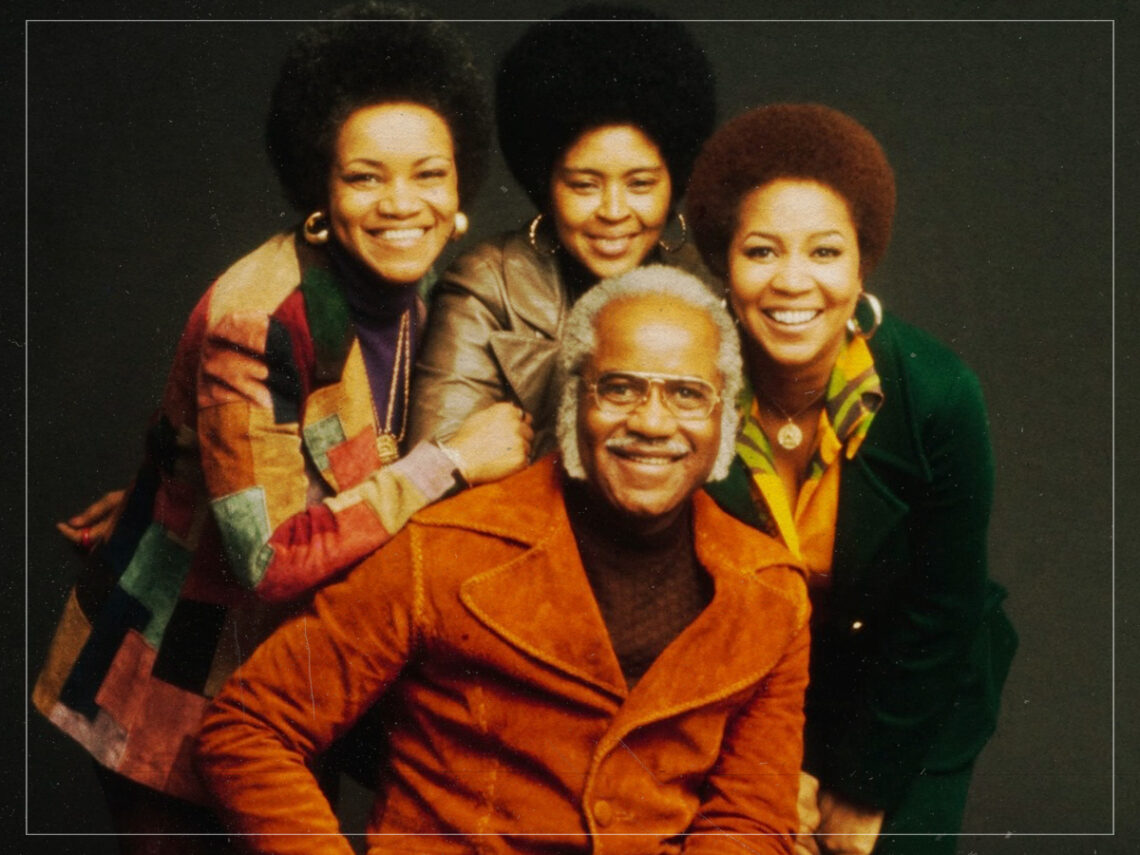
“We can sing it”: how The Staple Singers brought gospel to the masses

While the 1960s’ folk revivalism forged a crucial soundtrack to the civil rights struggle that swept across America – Joan Baez close friends and comrades with Martin Luther King Jr and Pete Seeger penning solidarity songs since the 1950s – it was the soul pumped out of the Motown and Stax hit factories that truly channelled the country’s Black experience during the era’s social tumult.
A vital meld of gospel and R&B that scored the Black working-class identity in the face of discrimination and vicious Jim Crow segregation in the south, soul would endure as one of the States’ most enduring musical art forms and an essential document of Black culture.
Having been cutting strictly folk-infused gospel straight from the Baptist church tradition since their teens, The Staple Singers, under the oversight of their father Roebuck ‘Pops’ Staples, ran through a string of labels since the 1950s before being signed to Al Bell’s Stax in 1968.
Embracing pop appeal in their “message music”, their first two records on the new label made little commercial impact, pushing Bell to send the singing family to Alabama and record with the Muscle Shoals Rhythm Section before finally shaping their broader gospel sound inspired by the stirring struggles of the era: “When we heard Dr Martin Luther King preach, we said, ‘If he can preach this, we can sing it’,” Mavis Staple boldly remarked.
Their defining hit was forged in tragic circumstances. After attending the funeral of his younger brother who had been shot, Bell conceived the sketches of a song while ruminating in his father’s backyard and became struck with lyrics through his fog of grief: “I know a place, ain’t nobody worried, ain’t nobody crying, and ain’t no smiling faces lying to the races, I’ll take you there.” Trying to think of other verses, his emotionally spent daydream couldn’t find anything more to say.
Once again heading to Muscle Shoals Sound Studios, The Staple Singers began work on ‘I’ll Take You There’, the big single from 1972’s Be Altitude: Respect Yourself. Armed with a conduit relationship with divine powers, Mavis was able to work with the brief outline of the track and pour her own ad-libbed flourish into the piece.
“I sing, ‘Play it, Barry, play your piano…,’ that was Barry Beckett,” Mavis revealed to Uncut, referring to the session keyboard player. “Then ‘Help me, Daddy…,’ and that was my father playing the guitar. My dad plays that solo, none of that stuff was rehearsed. The only thing that was rehearsed was the verse, but all of the other stuff that I’m doing just came to me in the studio. It wasn’t written down; it all comes from what you feel. And God blessed me to be able to do that. It comes from inside me”.
It proved to be a hit, sending The Staple Singers to the top of the Billboard Hot 100 and to a whole new audience hooked on their pop sound and gripped by ‘I’ll Take You There’s lyrical pleas for a brighter future free of injustice and the poison of discrimination.
