


How the films of Andrew Haigh deconstruct the torment and fantasy of love

Some might call it cynicism, while others may simply call it rationality, but British culture has an inherent sense of pessimism. It pervades the streets littered with discarded and stamped-upon vapes and fogs the skies that swirl with the promise of a persistent grey forecast, yet there’s a piercing truth to this steely nihilism that is also quietly comforting. Filmmaker Mike Leigh has long mastered the representation of this mood on the cinema screen, but now it seems like Andrew Haigh has taken over this mantle, bringing beauty and brutal examinations of human connection throughout his filmography.
Where Leigh’s interests sprawled from domestic comedies to grand political statements, Haigh has, so far in his filmography, kept comfortably within the remits of the love story, exploring how the deepest of relationships can be damaged by the torment of self-doubt and the fantasy of possibility. Such is infused throughout his entire filmography, from his breakout indie sensation Weekend from 2011 through to 2023’s Bafta nominee All of Us Strangers.
Set largely in the high-rises of Nottingham, Weekend tracks the newfound relationship between an art student and a hopeless romantic following a one-night stand. With little interest in sensationalising the romance, Haigh explores the mind of his two male leads, examining how Russell, in particular, latches so quickly onto his fleeting lover, Glen, with the fragility of his past bruising his enjoyment of the present.
Almost the exact same exploration occurs in 2023’s All of Us Strangers, a drama that sees a screenwriter travel back to his family home to try and make sense of his troubled past, only to come into contact with the ghosts of his long-deceased parents. Despite meeting a newfound lover whom he shares a visceral human connection with, he cannot progress without first trying to reconcile with his past to absolve himself in the present.
Drawing parallels between the lead characters in All of Us Strangers and Weekend, Haigh is well aware of the similarities between the films, stating in our exclusive interview, “Adam is feeling the same separation from the world that Russell feels in Weekend”. Continuing, he adds, “That in itself is interesting to me, that time can move on, that everything can change, but you can still feel trapped in a feeling unless you can go back and unpick why you have that feeling inside you”.
In both films, love is framed almost like a torture device, eliciting pain and anxiety for both Russell and Adam in their respective stories, with the fantasy of the former’s failed romance with Glen leaving the film on a somewhat melancholy note. Similarly, but for very different reasons, Adam’s relationship also breaks down, with his affection for the deceased Harry existing beyond the world of the living in some kind of fantasy space of limitless love.
While Weekend and All of Us Strangers may have much in common, they’re not the only stories to explore this shared torment of love in Haigh’s filmography, with 45 Years and Lean On Pete also concerning themselves with characters searching for meaning and stability in complex existences. The latter is something of an outlier, being Haigh’s first step onto American industry soil, telling the story of a boy’s platonic love for his horse, yet 45 Years may be his darkest exploration of love.
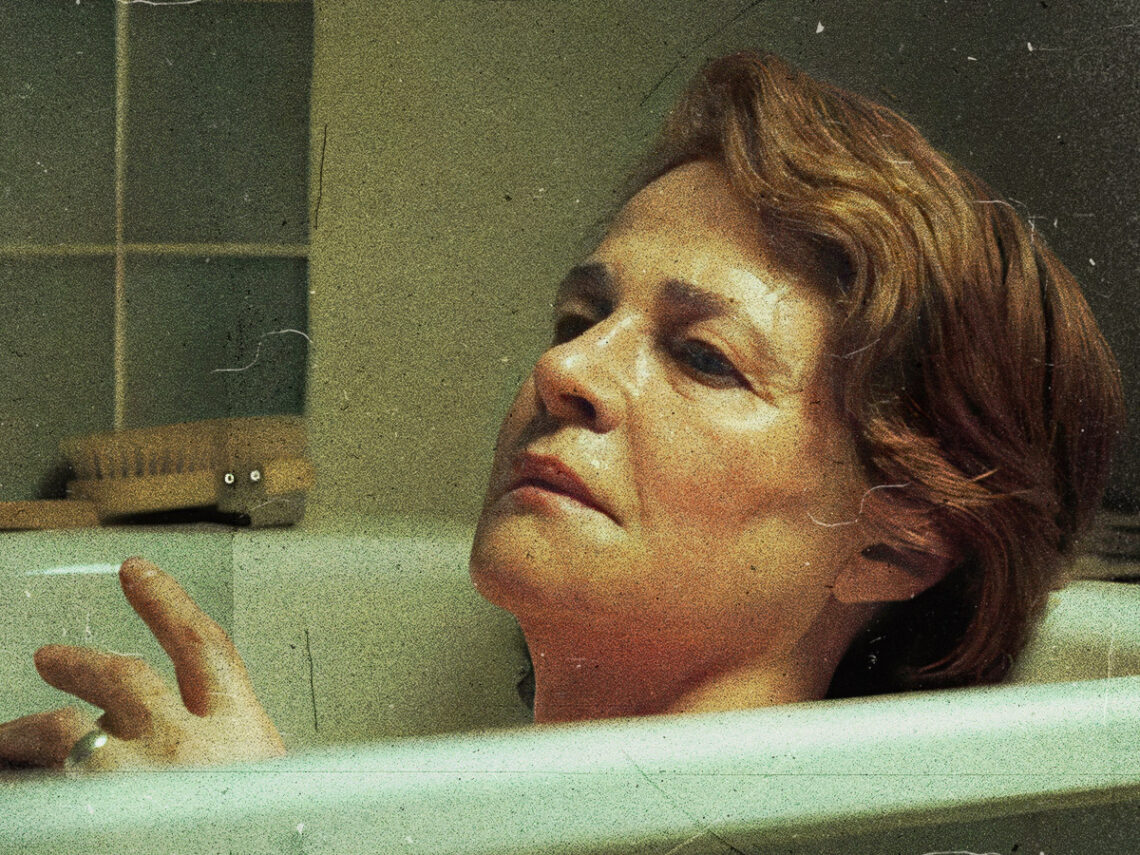
In the 2015 Oscar nominee, Charlotte Rampling plays Kate, a woman soon to be sharing her 45th wedding anniversary with her husband, Geoff, only for her trust in him to be upended by the news that the body of his ex-lover has been found perfectly preserved in ice, decades after a skiing accident. An exploration of grief that, too, has a profound interest in the meddling memories of one’s past, 45 Years torments the audience and its characters with the question, how do you know your ‘true love’ is true at all?
To Geoff, the almost fantastical reappearance of his former lover is a physical manifestation of a waking dream in which he is, once again, exuberant, liberated and drunk on fervent young love. The fantasy torments him and causes his current marriage to steadily break apart as the couple become increasingly emotionally distant. While Geoff fantasises, all Kate can do is ponder the workings of his mind while all the possibilities of her findings eat her up piece by piece.
For Haigh, love is an organ to probe, dissect and understand, with each of his films being dedicated to discovering the truth behind every relationship we form. Love is, indeed, a tormenting storm that spitefully excavates one’s past, dragging up painful insecurities, regret and grief, offering a constant fantasy as to what the future may hold and what it could have held if slightly different decisions had been made.
