


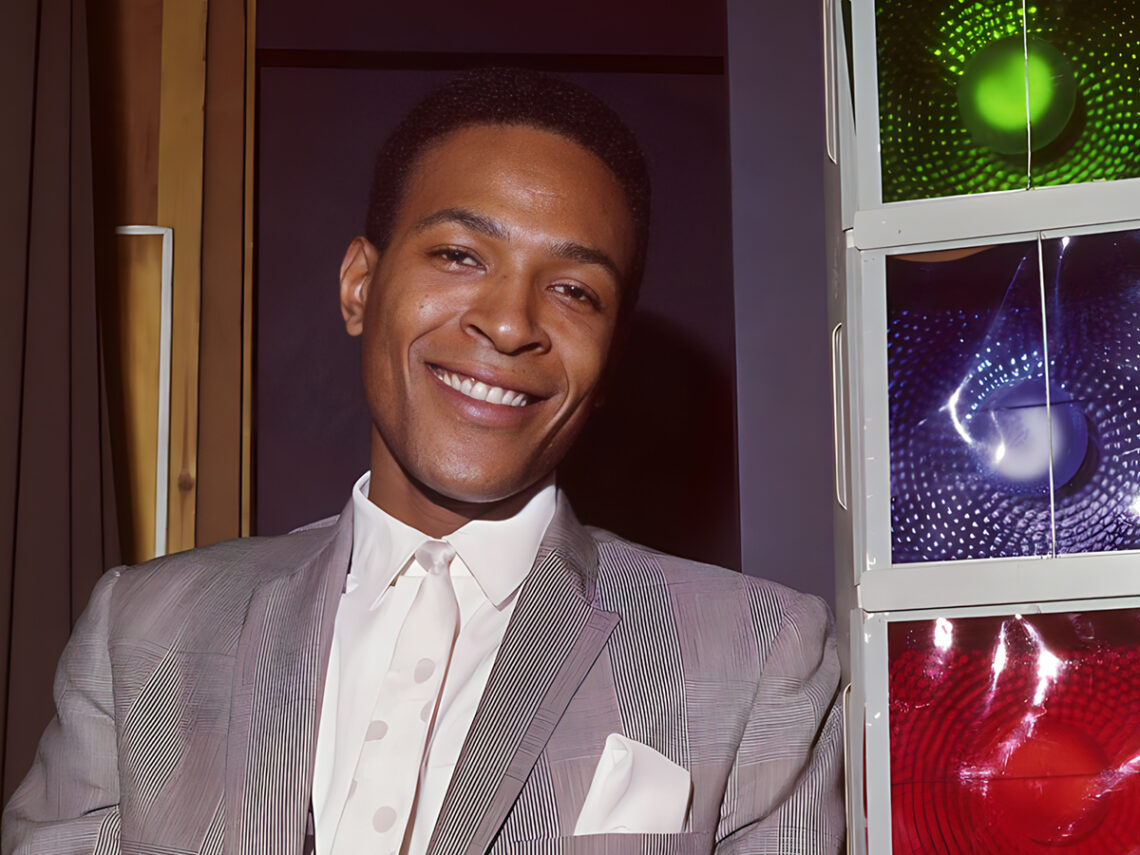
‘How Sweet It Is’: The actor who inspired a Motown classic

These days, Marvin Gaye is a name with enough stature of its own to cultivate a whole slew of artistic inspiration in and of itself. But back in the early days of Motown, Gaye was just a singer like any other – and his songs had to face the drawing board just the same as everyone else.
The scene, as well as Gaye himself, was already building traction well and truly on its way to sonic superstardom by the mid-1960s, when the singer faced the prospect of creating his fifth album. But with this also came an element of pressure not experienced prior to this point: there was a traction of success to build on, as Gaye had quickly garnered a reputation as one of Motown’s earliest hitmakers. By the time you’re expected to replicate that once again for record number five, it may not have come as easy.
But with the help of the label’s prodigal songwriting master trio, Holland-Dozier-Holland, any hint of potential intimidation was superseded by an outright ambition to keep Gaye on the trajectory of becoming one of the biggest stars in the world, on what would transpire to be his 1965 hit album, How Sweet It Is to Be Loved by You.
Indeed, the fact that the powers that be within Motown decided to name the entire record after its standout track speaks volumes about the confidence that not only Gaye, but also Holland-Dozier-Holland, had in the song from its earliest inception. This was mainly because, aside from the singer’s indulgently enticing star power, the name itself was already infused with more than a small dose of classic Hollywood magic to set it on the path to glitzy success.
The link may seem obvious to those of a certain age or inclination, but it’s true that Gaye’s defining hit of the time was directly inspired by an iconic television catchphrase of the era, coined by none other than Jackie Gleason. As part of his iconic 1950s show, the words “How sweet it is!” were uttered by the host in response to almost any situation he found himself in – and, naturally, it stuck for the millions upon millions of audiences that tuned in, too.
It was no surprise, in this case, that it also entered the psyches of Holland-Dozier-Holland. Lamont Dozier was candid when he later admitted that the song was inspired by “wishful thinking”, as he was “sitting at the piano, fantasizing about how good it would be if the woman I had eyes for was madly in love with me. But the truth is she never gave me a second look. So I created this fantasy world where I was the object of all her affections, a bit of fiction that eventually came true due to my persistence and showering her with affection.”
Subsequently, with a dash of show business and a crooning vocal from Gaye, the floodgates were well and truly opened at the hit-making factory, securing both the singer’s status as a bona fide star and also cementing Motown as an inimitable force. You would imagine that Gleason might have received a hefty cut on the whole thing, but when he started treading the boards of the stage as ‘The Great One’, he could never have expected to be a part of defining a cornerstone of American music as well.
