


How Phil Spector tricked his way into having the most played song in radio history

The stories of Phil Spector’s madness are infamous. Behind the brutal 2003 murder of Lana Clarkson, the abuse of Ronnie Spector, and rumours of pulling a gun on the Ramones, he also changed music production forever, making sonics much more expansive than they had been before he enacted such a bold move. It’s problematic trying to reconcile the fact he was a violent murderer with a musical pioneer, but sometimes, life is strange.
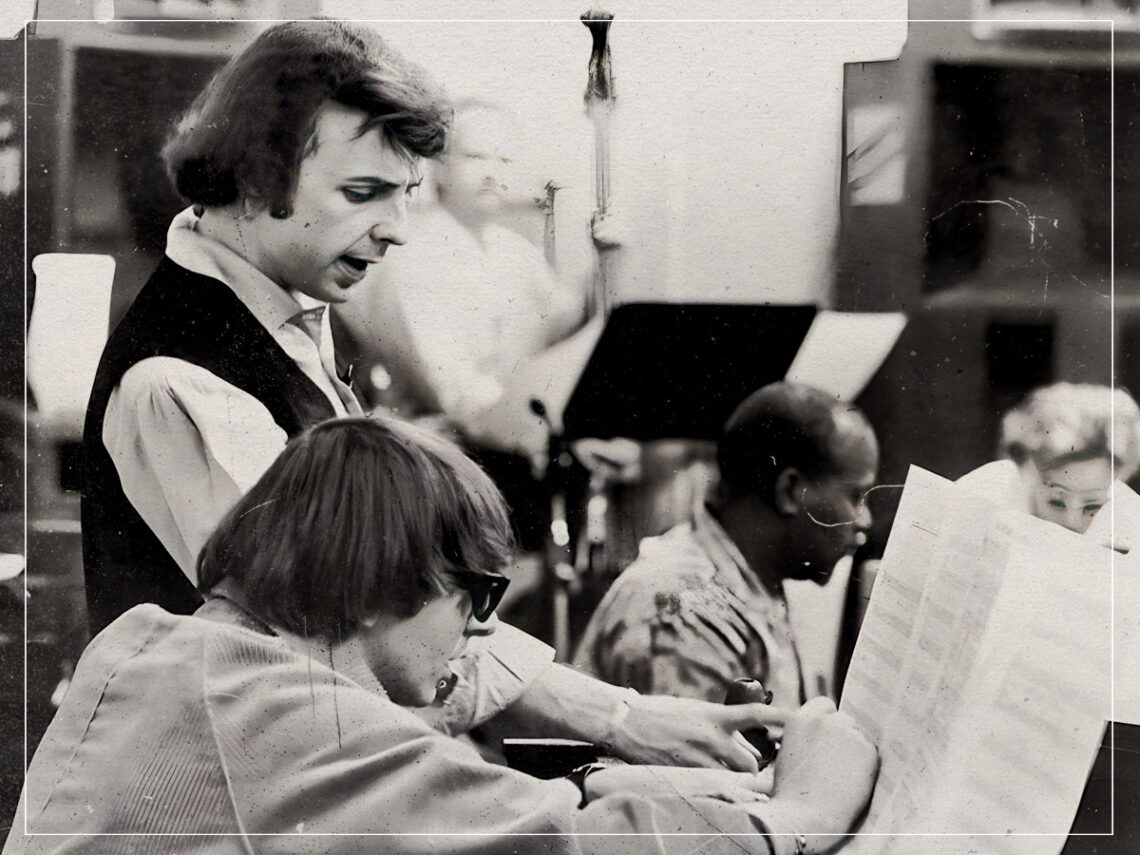
While Spector was responsible for bringing to life a multitude of legendary songs and albums—including The Beatles’ swansong, Let It Be, solo efforts by John Lennon and George Harrison, and Leonard Cohen’s Death of a Ladies’ Man—he is perhaps best known for pioneering the ‘Wall of Sound’ recording technique. By harnessing the talents of an elite group of session musicians known as ‘The Wrecking Crew’, Spector meticulously crafted this influential production method. His goal was to expand the sonic landscape of music, creating a rich, orchestral sound that would burst through the speaker systems of the time, rendering the music more three-dimensional and complex.
There can be no doubt that even conceiving such an idea took some form of madness. Still, in fairness to Spector, with the help of ‘The Wrecking Crew’ and engineer Larry Levine, he executed his lofty ideas and pushed the limits of the studio further than anyone had ever done.
There are many notable examples of the Wall of Sound in action, but 1964’s ‘You’ve Lost That Lovin’ Feelin”—written by Barry Mann and Cynthia Weil alongside Phil Spector for The Righteous Brothers—is widely regarded as the ultimate showcase of this technique. The song features a sweeping, orchestral arrangement that creates a dream-like atmosphere, its immense production scale overshadowing anything else of its time. This track epitomises the lush, multi-layered sound that Spector sought to achieve, making it a definitive piece in the history of music production.
Despite producing numerous cover versions, including Cilla Black’s hit rendition, The Righteous Brothers’ was so impactful that in 1999, the performing rights organisation Broadcast Music Inc (BMI) confirmed it as the most-played song in American radio and TV history, with more than 8million plays that year, and 15 million in 2011. A pioneering hit, it held the accolade until 2019, when it was overtaken by The Police’s ‘Every Breath You Take’, a song which would not have come to fruition without it.
The track was so groundbreaking that Andrew Loog Oldham, The Rolling Stones’ manager, was utterly captivated when he first heard Spector play the test pressing. He described it as the most incredible thing he had ever heard. Enthralled by its innovation, Oldham went so far as to place adverts in newspapers and magazines, criticising Cilla Black’s version of the song, which was climbing the charts at the time. In one of these ads, he famously coined the term ‘Wall of Sound’, a phrase that Spector later trademarked. This moment marked the beginning of Spector’s enduring cultural legacy as a producer who reshaped the soundscape of popular music.
As with anything pioneering, not everyone was wholly convinced by ‘You’ve Lost That Lovin’ Feelin” during the early stages, including Righteous Brother Bill Medley. Despite liking the song in its early stages, as things developed, he had doubts about its potential for success because it was unusually long for a pop song during the era, at nearly four minutes long. That was far too elongated for radio standards, with songs longer than three minutes rarely played because longer tracks meant fewer commercial adverts could be placed between them. Furthermore, The Righteous Brothers felt the track was too slow compared to the upbeat rock of The Beatles and the rest of the British invasion that was à la mode.
In his classic style, Spector refused to shorten the song. He resorted to skullduggery to get it onto the radio, and such Lokian trickery led to it becoming the most-played song for years in his homeland, dodging the cultural barriers on the way. Reportedly, due to a suggestion from Levine, Spector had “3:05” printed on the record’s label instead of the running time of 3:45. In another stroke of madcap genius, he added a false ending, adding drama to the track, but more importantly, duping the radio DJs into thinking the song was shorter than it was.
Despite getting it onto the radio, Spector was still worried about the reception to ‘You’ve Lost That Lovin’ Feelin” and the possibility that his groundbreaking vision would be misunderstood. He would later state that he didn’t sleep for a week, but when the song went to number one on both sides of the Atlantic, he knew he had struck gold.
