


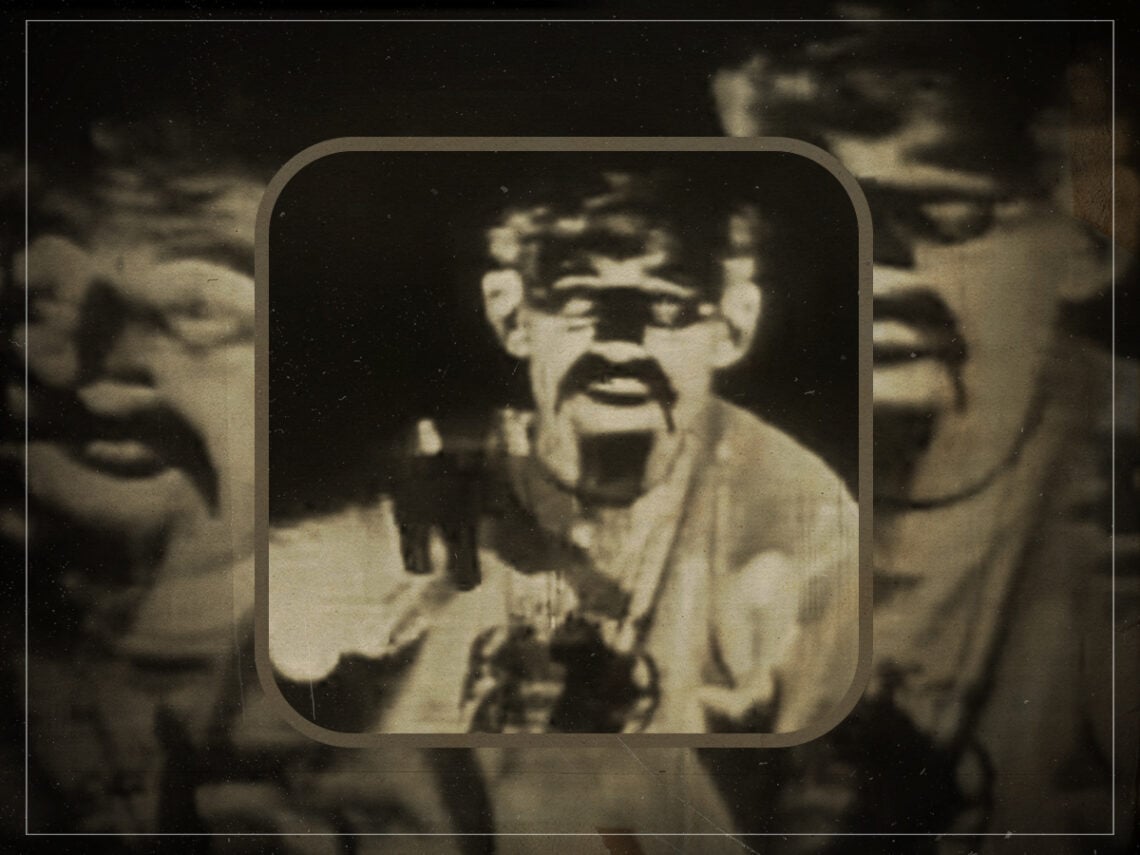
‘Ghoulardi’: How Paul Thomas Anderson’s dad inspired the weirdness of Devo, Jim Jarmusch, and the Cramps

Some people consider him the finest film director of his generation, but very few think of Paul Thomas Anderson as one of those dreaded nepo babies, and why would they?
Anderson’s father, Ernie Anderson, worked for many years as a TV announcer in Los Angeles, but he was never a familiar face or a household name—unless, of course, you lived near Cleveland, Ohio.
Ernie Anderson was and remains a cult legend of the highest order among Baby Boomers from the Buckeye State. In the mid-1960s, he hosted a local, late-night show on Cleveland’s WJW TV network called Shock Theater, on which he portrayed a character called ‘Ghoulardi’, a goateed, wise-cracking beatnik who routinely interrupted the kitschy B-movies and sci-fi schlock he was obliged to introduce, sometimes even superimposing himself into the films for a laugh.
The programme was on the air for about four years, and in that time, a whole generation of kids was introduced to a new way of speaking and behaving; a rebellious, offbeat irreverence that had a stunning impact on a lot of noteworthy artists from the region.
“[Ghoulardi] was this great influence on me, and it wasn’t because of the movies he’d play,” Jim Jarmusch told the Cleveland Plain Dealer in 2013. The director of indie classics like Stranger Than Paradise, Ghost Dog, and Coffee and Cigarettes, Jarmusch grew up in nearby Cuyahoga Falls, Ohio, and was a weekly viewer of Shock Theater.
“There was this anarchism and wildness about him,” he said, “This outsider hipster, this anti-authoritarian, blowing things up with explosives… He opened me up to all kinds of weird-ass music, too. His whole anti-hierarchical appreciation for culture definitely influenced me.”
That “weird-ass” music Ghoulardi championed on his show, stuff like fellow Clevelander Screamin’ Jay Hawkins’ gleeful and dastardly ‘I Put a Spell On You’, inspired many future musicians, as well, including the members of Devo, Chrissie Hynde of the Pretenders, David Thomas of Pere Ubu, and Lux Interior of the Cramps, the latter of whom basically formed his entire style around a Shock Theater sort of vibe.
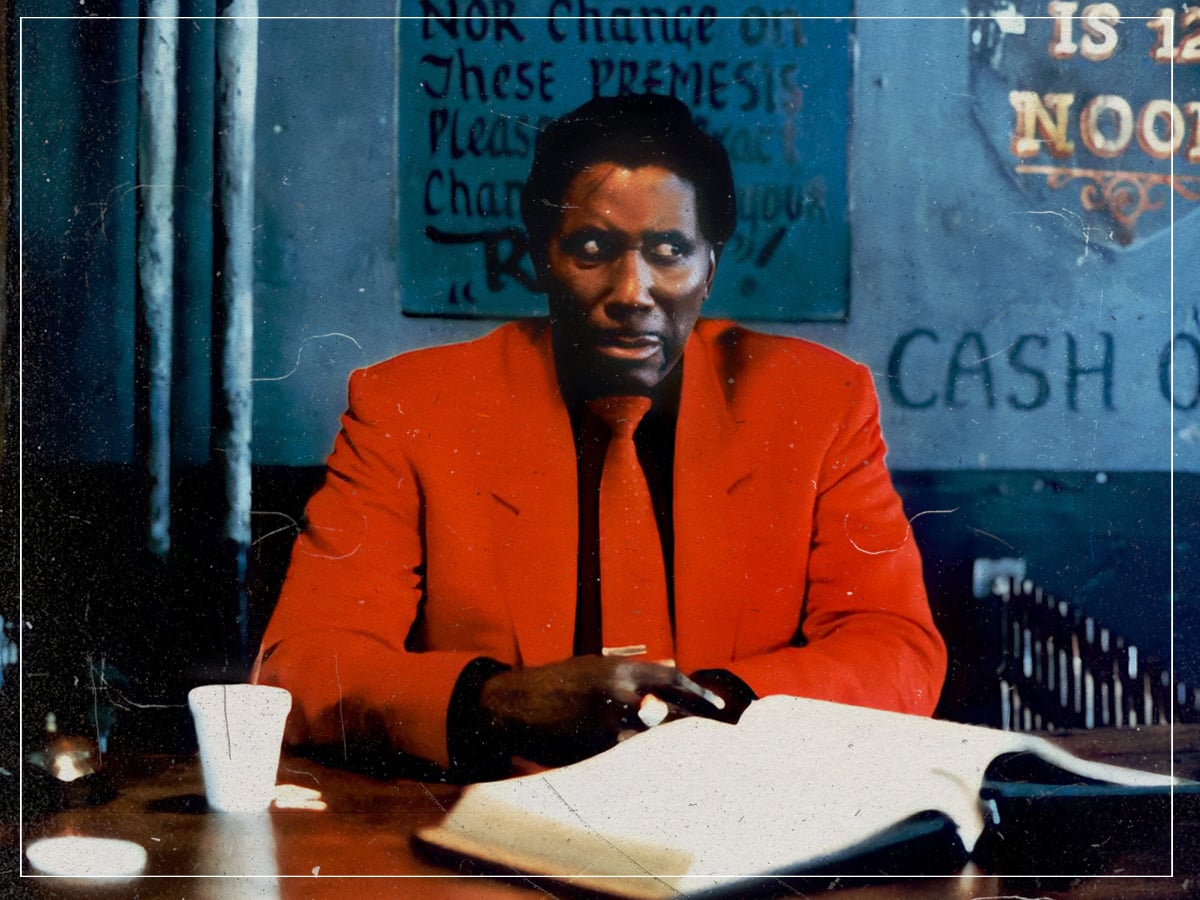
“We were all Ghoulardi kids,” Thomas said in 2013. “The B-movie was a canvas for Ghoulardi; an open invitation to spread mayhem, and generally engage in ransacking any sense of good taste, worthiness, or respectability.”
Devo’s Mark Mothersbaugh and Gerald Casale adopted a lot of Ghoulardi-isms themselves, and credited Shock Theater for introducing them to films and perspectives that inspired their eventual thesis on de-evolution.
The creatures in the film Island of Lost Souls, for example, which Mothersbaugh first saw on Ghoulardi’s show, reminded him of the workers he saw leaving their jobs every day at the Goodyear and Firestone tire factories in Akron, Ohio, a correlation that stayed with him. More recently, the Black Keys, another Akron-born band, paid tribute to one of Ghoulardi’s old catch phrases, ”stay sick and turn blue”, by calling their 2014 studio album Turn Blue.
Interestingly, PTA spent most of his life knowing far less about his father’s time as Ghoulardi than most of these other artists did. Once Ernie Anderson left Cleveland for Los Angeles in the late 1960s, he rarely made much mention of his old job. It was only when the younger Anderson took a trip to Cleveland with his dad many years later that he realised just how big the cult of Ghoulardi truly was.
“Three steps after getting off the plane,” Anderson told the Plain Dealer in 2013, “he already had people coming up to him. He wasn’t exaggerating; it was madness how many people loved him.”
Ernie Anderson died in 1997 at the age of 73.
