


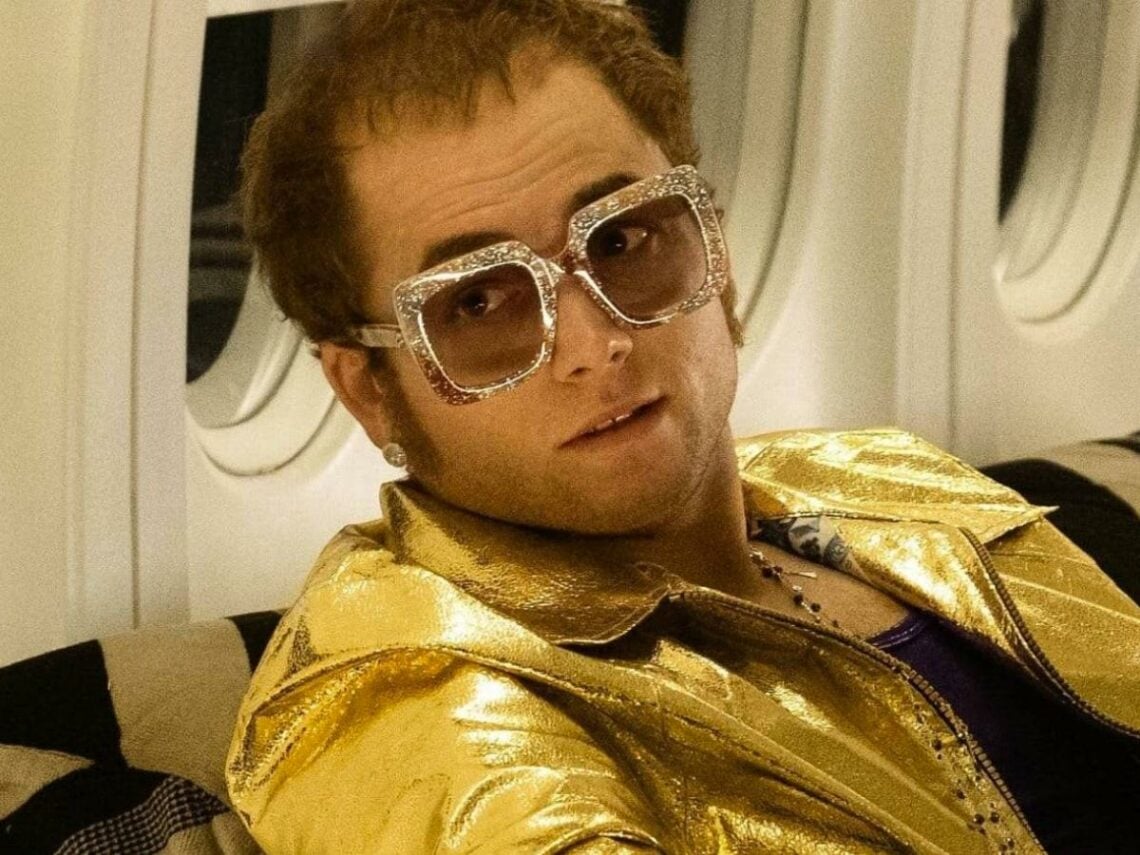
How much of the Elton John biopic ‘Rocketman’ is true?

Rocketman is the bonkers bonanza of song and dance that Elton John deserved for a cinematic exploration of his incredible life story – both its triumphs and tragedies. Directed by Dexter Fletcher, of Sunshine on Leith and Bohemian Rhapsody fame, and scripted by Billy Elliott writer Lee Hall, the film overflows with life in a way few other true stories could.
At the time of its release in 2019, the movie was rightly lauded not only as one of the year’s best but also as one of the outstanding biopics of its generation. It almost effortlessly weaves John’s music into the narrative of his growth from unappreciated son to musical prodigy and then global glam rock superstar before his drug habit and identity crisis spirals out of control.
And every musical number is chock-full of the pizzazz we know and love in John, the performer, while making use of visual effects which only a big-screen blockbuster could conjure up. For instance, John moving from a boyhood bar scrap to a carnival set piece while singing ‘Saturday Night’s Alright for Fighting’, and actually lifting off the ground with exhaust fire beneath his feet during a performance of ‘Rocketman’ itself.
This is the jukebox musical for which the term was intended, and the greatest compliment that can be paid to the movie is that even some of John’s best-loved songs feel as though they were written specifically for it. But although there’s no question that Rocketman nails it with its innovative use of his music, how well does it deal with Elton John’s real life?
Well, some of the film’s most affecting scenes aren’t the dazzling singalong set pieces but brilliantly shot and acted fragments of dialogue. Particularly between Taron Egerton, in the lead role as the adult Elton, and his mother, as portrayed by Bryce Dallas Howard, as well as his long-term manager and romantic partner John Reid, played by Richard Madden.
So, what’s true and what isn’t?
The overarching narrative of the movie is true to John’s actual life story, including his lengthy battle with addiction, his difficult relationship with his mother and estranged father, and his struggle to embrace his sexuality.
What’s more, certain critical events in his life really did happen pretty much as depicted in the film, including his 1975 suicide attempt involving 85 valium tablets and the swimming pool at his home in Benedict Canyon, California. However, extensive artistic licence is taken with particular scenes.
For example, although John had a strained relationship with his mother throughout her life, the scene in which he came out to her via a London payphone is entirely for dramatic purposes. Sheila Dwight delivers a soul-crushing response to what her son has shared with her, telling him, “I just hope you realise you’re choosing a life of being alone forever. You’ll never be loved properly.”
In reality, as John told YouTube Pride in 2021, “My family, my mother and my stepfather, were very, very easy with me coming out.” It was only when he declared his intention to enter into a civil partnership with now-husband David Furnish that she reacted badly. “And for all those years, I thought she was so supportive,” John added, expressing his disappointment, “And in the background, there was a mild homophobia going on within her.”
Likewise, John didn’t just make up the melody for ‘Candle in the Wind’ on the spot, as is portrayed in the movie. In fact, he wrote the music to lyrics Bernie Taupin had already provided while the two were writing songs together for his Goodbye, Yellow Brick Road album at the Flamingo Hotel in Jamaica in early 1973.
And John didn’t come up with the surname of his on-stage pseudonym from looking at a picture of John Lennon in The Beatles. Actually, he named himself after English saxophonist Elton Dean and blues musician and early mentor Long John Baldry.
But the devil isn’t always in the detail. More importantly, it’s the spirit of Rocketman that is unquestionably true to John’s remarkable life.
