


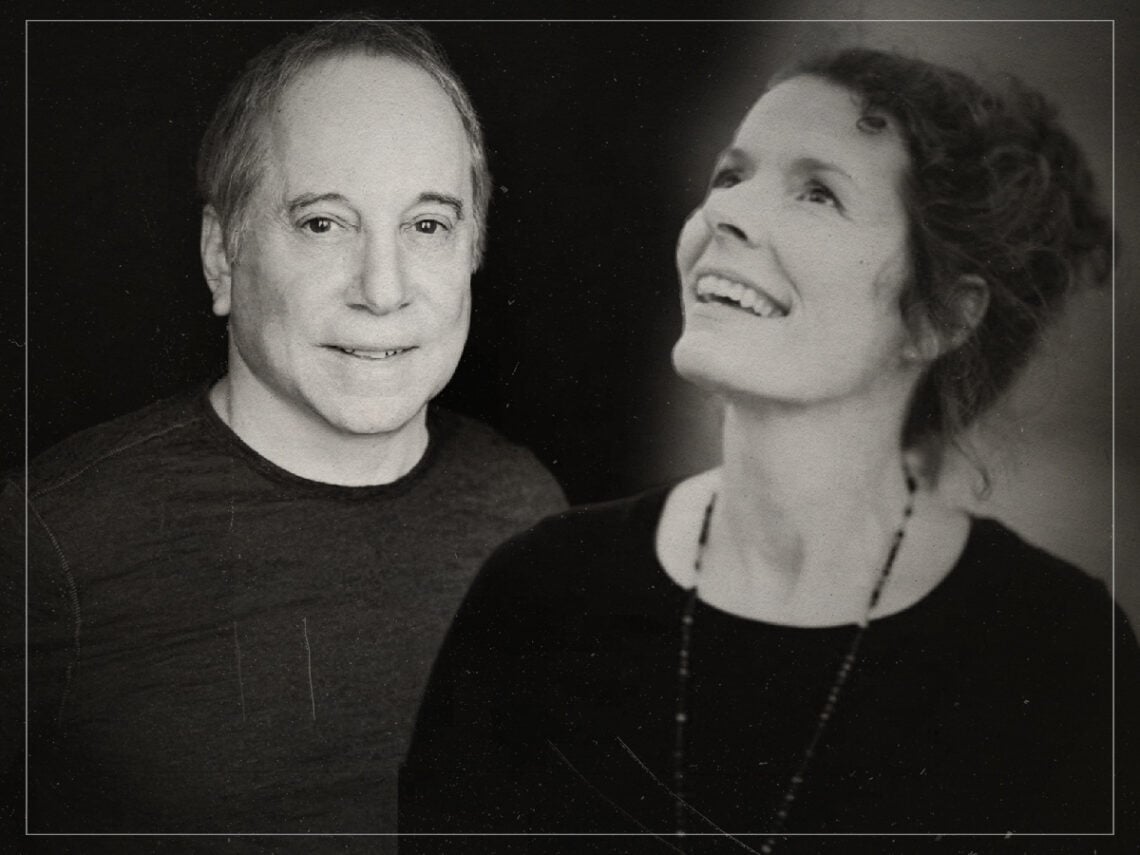
How marrying Paul Simon changed Edie Brickell’s songwriting process

Edie Brickell has been married to Paul Simon for over 30 years now, but she never needed to ask him how to write a hit song.
Before the two had ever met, the Texas-born Brickell already had a top ten single to her credit with 1988’s ‘What I Am’ by her band Edie Brickell and New Bohemians, a song that was later taken to number two in the UK charts when Tin Tin Out and Emma Bunton covered it a decade later.
Brickell was only 22 when the Bohemians’ breakout album, Shooting Rubberbands at the Stars, went double-platinum in America, making her one of the must-watch new stars of alternative rock. That’s why she found herself performing on Saturday Night Live as the musical guest on November 5th, 1988. Actor Matthew Modine was the guest host that night, but as Brickell sang ‘What I Am’ on the 30 Rock stage, it was a different celebrity that caught her eye in the audience.
“Even though I’d performed the song hundreds of times in clubs,” Brickell told the Mirror years later, “He made me forget how the song went when I looked at him”.
This, of course, was Paul Simon, a long-time friend of SNL showrunner Lorne Michaels, which meant he sometimes just happened to be hanging out during tapings, and despite the 25-year age difference, Paul and Edie made an instant connection, dating shortly thereafter, finally getting married in 1992 and having three children together. “We can show the kids the tape [from Saturday Night Live] and say, ‘Look, that’s when we first laid eyes on each other,” Brickell said.
Any artist who records a big hit album will face an uphill battle to repeat it, but the situation is certainly complicated when, in the interim, you start dating one of the greatest songwriters who ever lived. The next New Bohemians album, 1990’s Ghost of a Dog, failed to connect with listeners in the way its predecessor had, and led to a decade-long recording hiatus for the band, which is when Brickell turned her focus to a solo career in the ‘90s, and while Simon wasn’t necessarily looking over her shoulder, his presence as an adviser and producer dramatically changed how she thought about her songs and what they could sound like.
“He has opened me up to a lot of possibilities that I didn’t really think of before,” Brickell told the Birmingham News in 1994, giving an example of one song, ‘Good Times’, in which she wanted to have a spoken-word break. “I told Paul that I was thinking of a voice, something like Barry White. He said, ‘Let’s get Barry White then’, and it just never occurred to me that we could just hire Barry White to do it.”
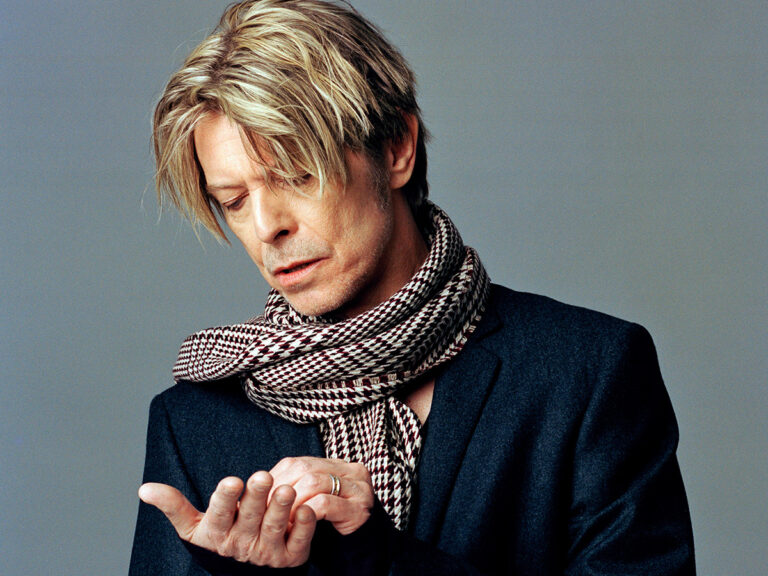
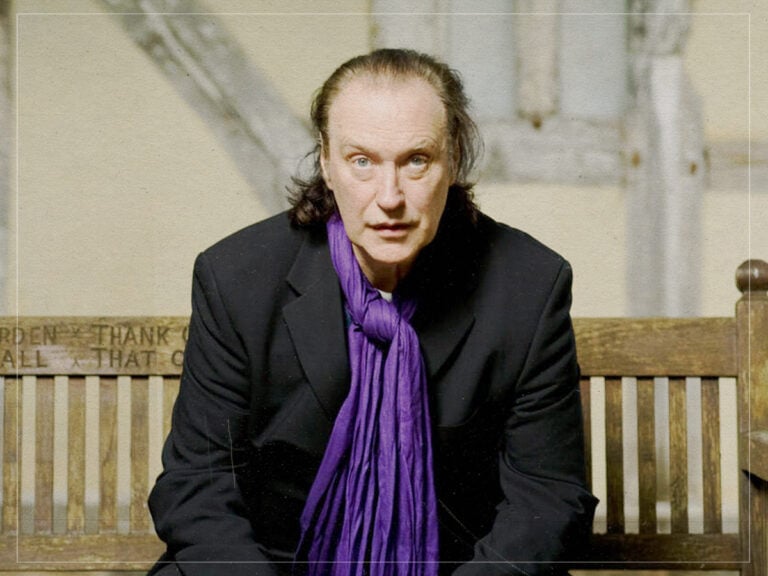
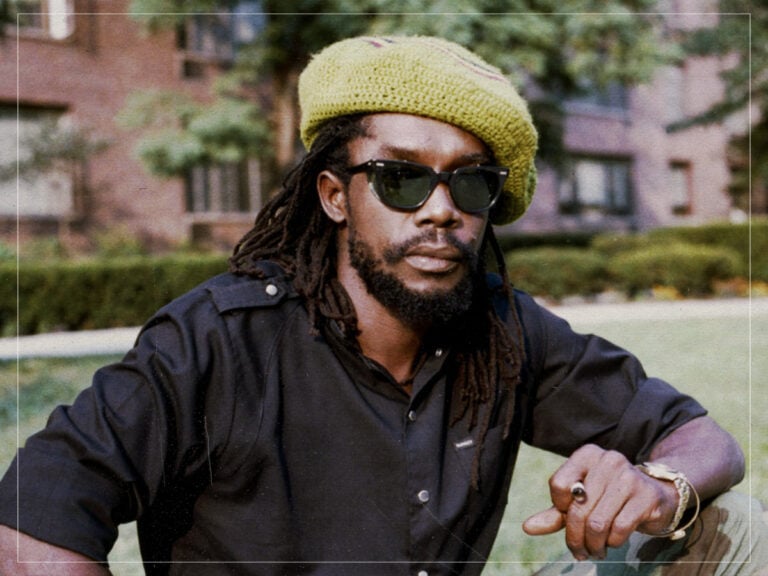
A similar thing happened on another tune that needed a New Orleans sort of groove, as Simon and co-producer Roy Halee told Brickell that they could just go to New Orleans and bring in the Neville Brothers, which they did.
In some ways, having all the options in the world suddenly available to you can have a negative effect, as it doesn’t allow the artist to find their own unique way around a limitation. Brickell, now 60, has had a long and productive career, but despite her improvements as a singer-songwriter and the enormous upgrade in resources at her disposal, she hasn’t made a record that struck a nerve quite like the one she made with her college friends in 1988.
“The New Bohemians don’t get a whole lot of credit for it,” Brickell said in 1994, “but they were kinda influential in some of the things that are popular now, with the way they dressed and some of the musical ideas.” It’s not clear why she decided to use the pronoun “they” rather than “we”.
